
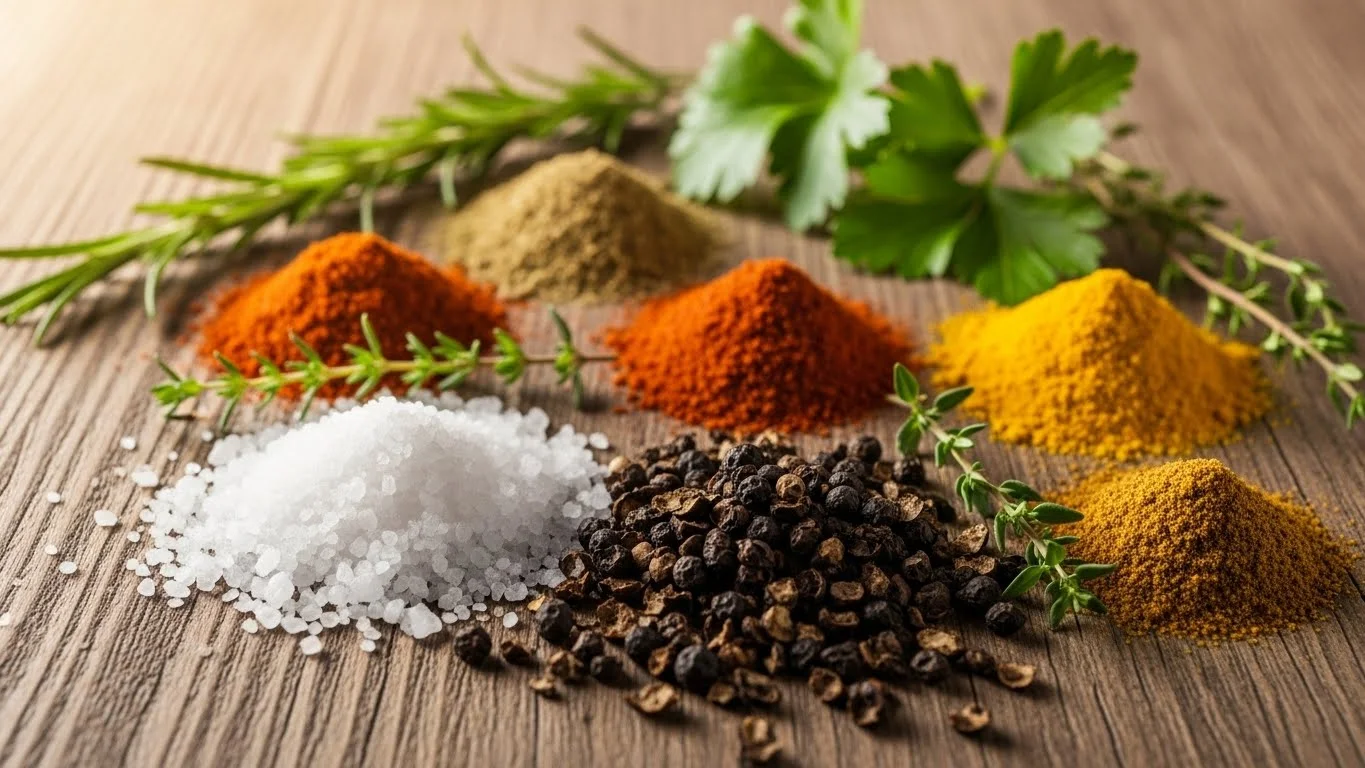
If you’ve ever made a dish that looked amazing but tasted a little… flat, the culprit was probably seasoning. Seasoning isn’t just “adding salt”—it’s the art of bringing every ingredient to life. Once you understand how flavors work together, your cooking transforms instantly.
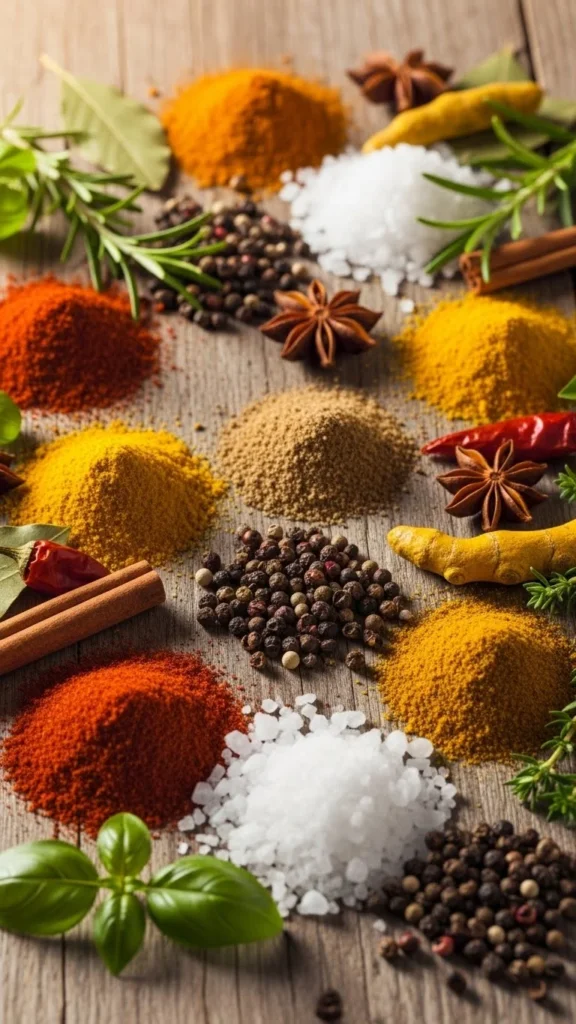
Let’s break down how to season food the right way—so every bite tastes bold, bright, and unforgettable.
Why Seasoning Matters More Than You Think
Seasoning is the foundation of flavor. Even the freshest ingredients rely on salt, herbs, and spices to show their full personality.
Good seasoning:
- Enhances natural flavors
- Balances sweetness, acidity, and richness
- Adds depth and aroma
- Turns simple ingredients into restaurant-worthy meals
And the best part? Mastering seasoning isn’t complicated. It just takes awareness, timing, and a few key tricks.
Start With Salt The Most Important Flavor Booster
Salt is the hero of seasoning. Used correctly, it makes flavors pop without ever tasting “salty.”
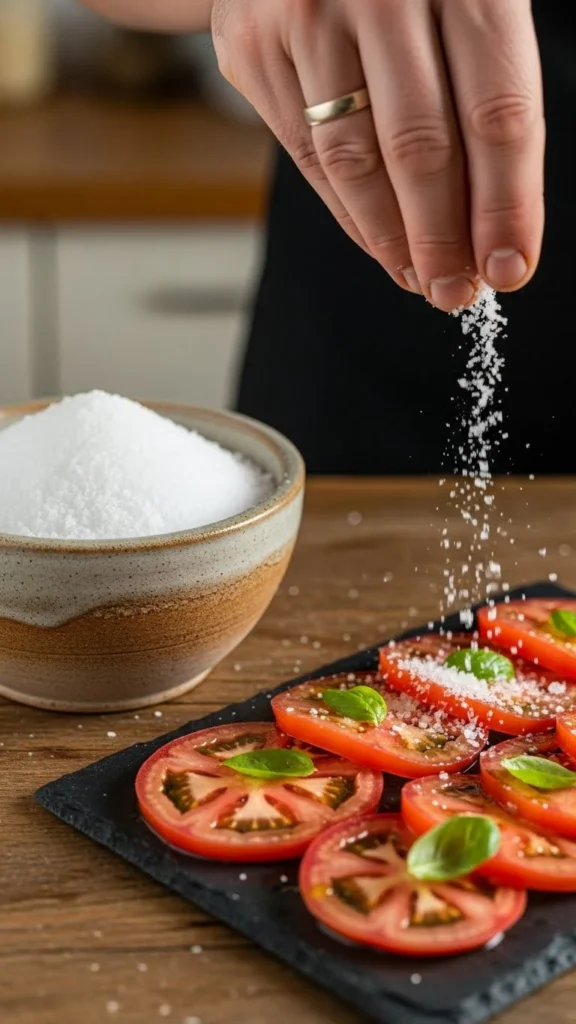
The golden rules of salting:
- Season gradually. It’s easier to add more than to fix an overly salty dish.
- Salt from above. Sprinkling from higher up distributes the crystals more evenly.
- Use the right salt.
- Fine salt dissolves quickly—great for baking or soups.
- Kosher and sea salt add cleaner, lighter flavor.
- Fine salt dissolves quickly—great for baking or soups.
- Taste as you cook. Don’t wait until the very end to test flavor.
Pro Tip:
Salt early when cooking meats or roasting vegetables. It draws out moisture in a way that helps browning and intensifies flavor.
Layer Your Seasoning Don’t Dump It All at Once
If you add all your seasoning at the start, it gets muted during cooking. Instead, build flavor in layers.
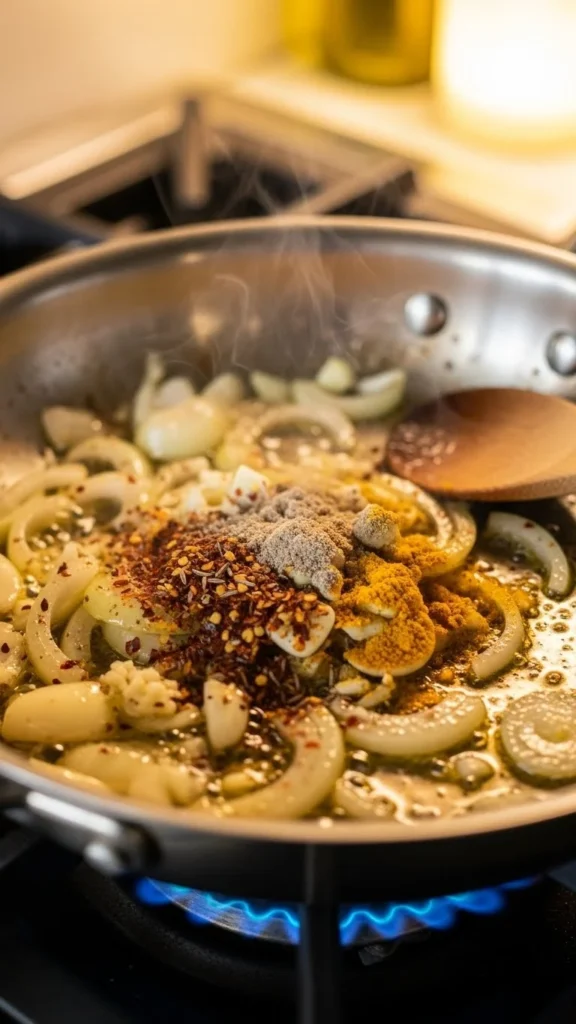
Season at multiple points:
- Base layer: Add salt, aromatics, and spices while sautéing vegetables.
- Midway adjustment: Taste and balance flavors.
- Finishing layer: Add fresh herbs, citrus, or final touches of salt.
This method ensures depth rather than one-dimensional flavor.
Understand How Herbs and Spices Behave
Herbs and spices have personalities. Some love heat, others wilt under it. Knowing when to add them is a game-changer.
Dried herbs + ground spices
- Best added early to release flavor.
- They bloom in oil, giving dishes a richer base.
Fresh herbs
- Add at the end for brightness.
- Mint, cilantro, parsley, basil—these lose flavor if cooked too long.
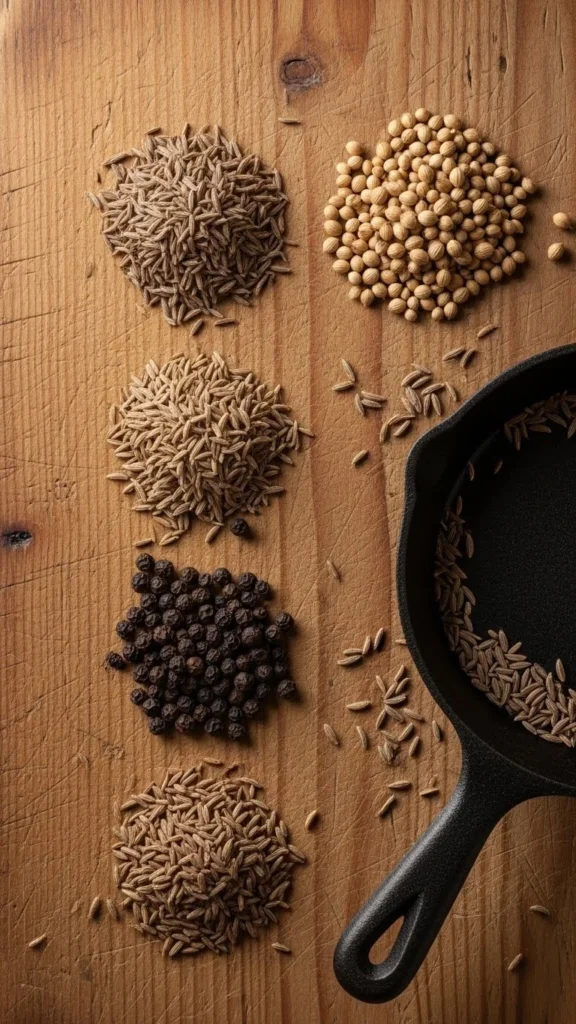
Whole spices
- Toast lightly before grinding or adding to oil for intense aroma.
Balance Is Everything: Sweet, Sour, Salty, Bitter, Umami
Great seasoning isn’t just adding salt. It’s creating harmony.
When a dish tastes flat, try adding:
- Acidity (lemon juice, vinegar)
- Sweetness (honey, brown sugar, caramelized veggies)
- Fat (olive oil, butter, cream)
- Bitterness (arugula, coffee powder, dark greens)
- Umami (soy sauce, Parmesan, mushrooms, tomato paste)
Mini flavor rescue guide:
- Too salty → add acid, sweetness, or potatoes
- Too spicy → add dairy or sugar
- Too bland → add salt or acid
- Too acidic → add fat or sweetness
Balancing flavors is how chefs turn simple meals into something memorable.
Use Heat to Unlock Flavor
Some seasonings transform dramatically with heat.
Examples:
- Paprika becomes smoky when toasted.
- Garlic softens from sharp to sweet as it cooks.
- Chili flakes intensify in hot oil.
- Mustard seeds pop and release aroma when warmed.
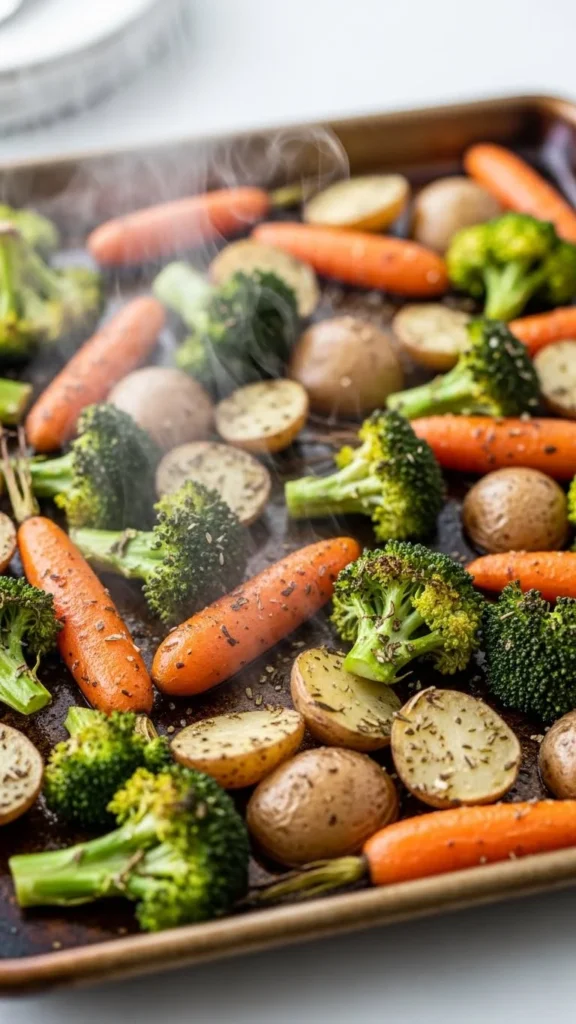
Even roasting vegetables with salt and spices creates deeper, caramelized notes you can’t get otherwise.
Finish Strong The Power of Last-Minute Seasoning
Finishing touches can elevate a dish instantly.
Try adding at the end:
- A squeeze of lemon
- A drizzle of olive oil
- A sprinkle of flaky salt
- Fresh chopped herbs
- Cracked black pepper
- Grated Parmesan
These add brightness and dimension without overpowering the dish.
Practical Seasoning Tips You’ll Use Every Day
- Taste before serving. Always.
- Don’t be afraid of salt. Most beginners under-season.
- Use fresh ingredients whenever possible. Old spices lose strength.
- Start small with bold spices like cumin or chili.
- Let food rest. Flavors settle and strengthen as dishes sit.
Seasoning well isn’t about following rigid rules. It’s about learning how flavors behave—and adjusting with confidence.
Final Takeaway
Seasoning is the easiest way to elevate your cooking without buying fancy tools or hard-to-find ingredients. When you salt properly, layer flavors, balance acidity, and finish with freshness, even simple meals taste incredible.
Save this guide for later your future cooking will thank you!

Related posts:
 How to Cook Rice Perfectly Every Single Time
 How to Cook Chicken So It Stays Juicy and Tender
 22 Irresistible Pasta Recipes Everyone Asks You For
 29 Lazy Crockpot Meals That Cook While You Relax
 26 Easy Dinner Recipes That Save Busy Weeknights
 21 Morning-Winning Breakfast Recipes That Feel Special
 23 Powerful Healthy Recipes That Don’t Taste Like Diet Food
 How to Cook for Beginners Without Feeling Overwhelmed