
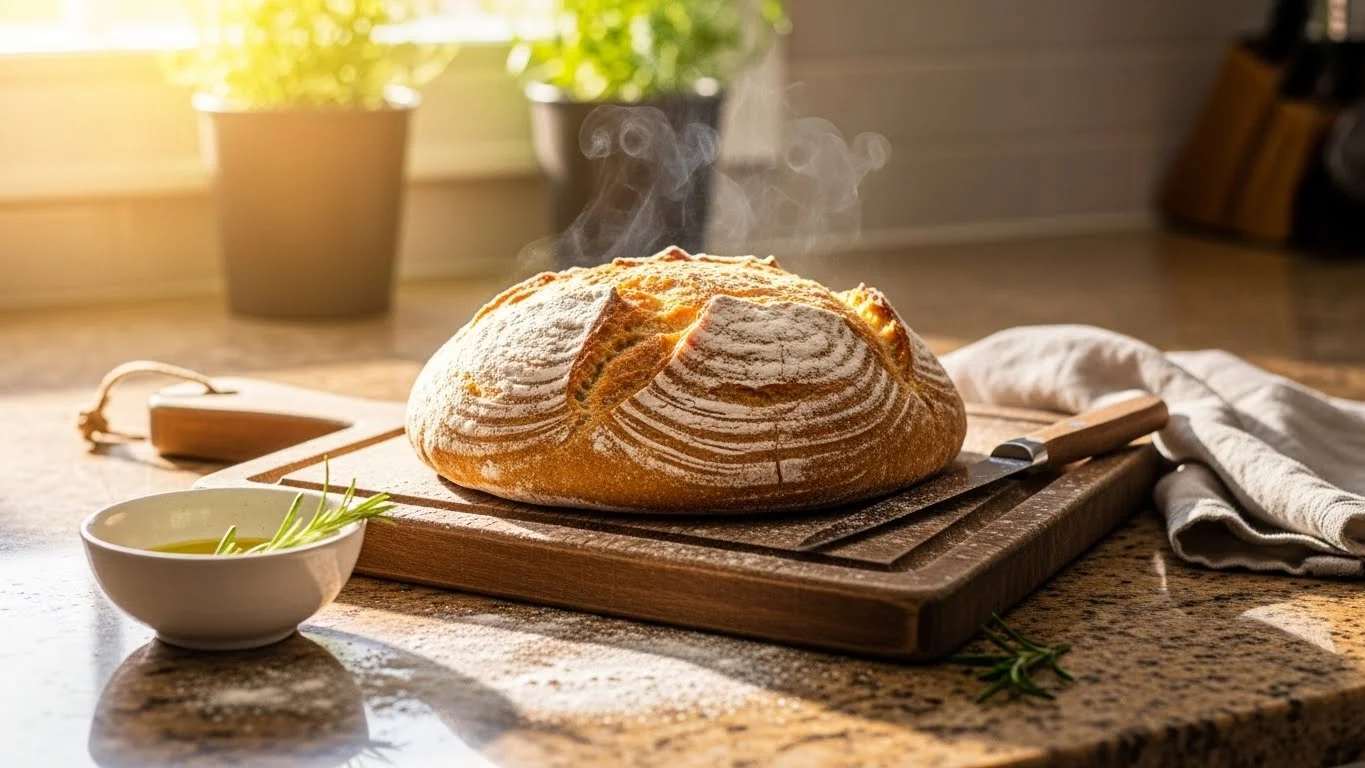
If you’ve ever dreamed of pulling a warm, golden loaf out of your oven but felt intimidated by the process, here’s the truth: baking bread is way easier than it looks. With a few simple ingredients and a little patience, you can create bakery-level bread right in your kitchen—even if you’ve never tried before.
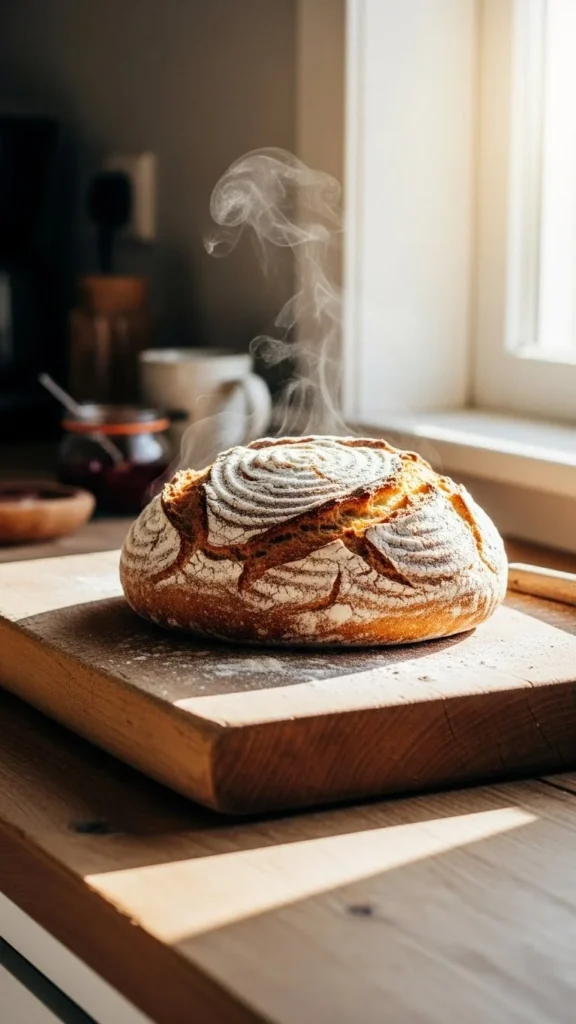
Let’s walk through the steps in a simple, beginner-friendly way that feels calming, achievable, and fun.
Gather Your Simple, Everyday Ingredients
Most homemade breads start with just four pantry staples:
- Flour
- Water
- Yeast
- Salt
That’s it! No fancy tools or complicated methods required.
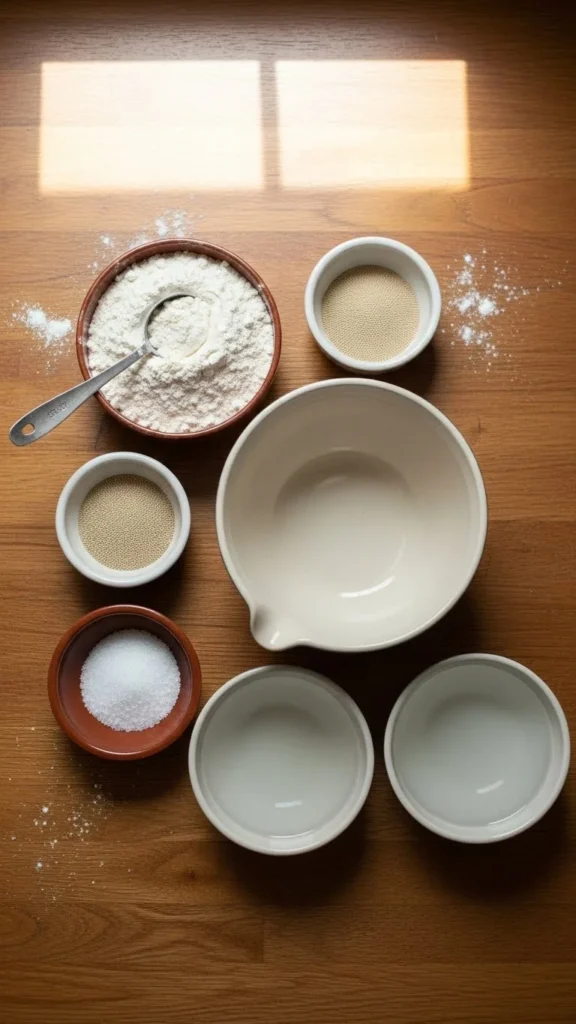
Use all-purpose flour or bread flour—either works beautifully for beginners. Instant yeast is the easiest option because you don’t have to activate it in advance.
Mixing the Dough: Where the Magic Starts
In a large bowl, combine:
- 3 cups flour
- 1 cup warm water
- 1 teaspoon salt
- 2 teaspoons instant yeast
Stir everything together until a shaggy dough forms. It won’t look perfect yet—that comes later.
Mixing tips:
- Warm water should feel like a comfortable bath, not hot.
- If the dough feels too dry, add 1–2 tablespoons more water.
- Sticky dough is normal! Resist adding too much extra flour.
Kneading: Your Hands Do the Work
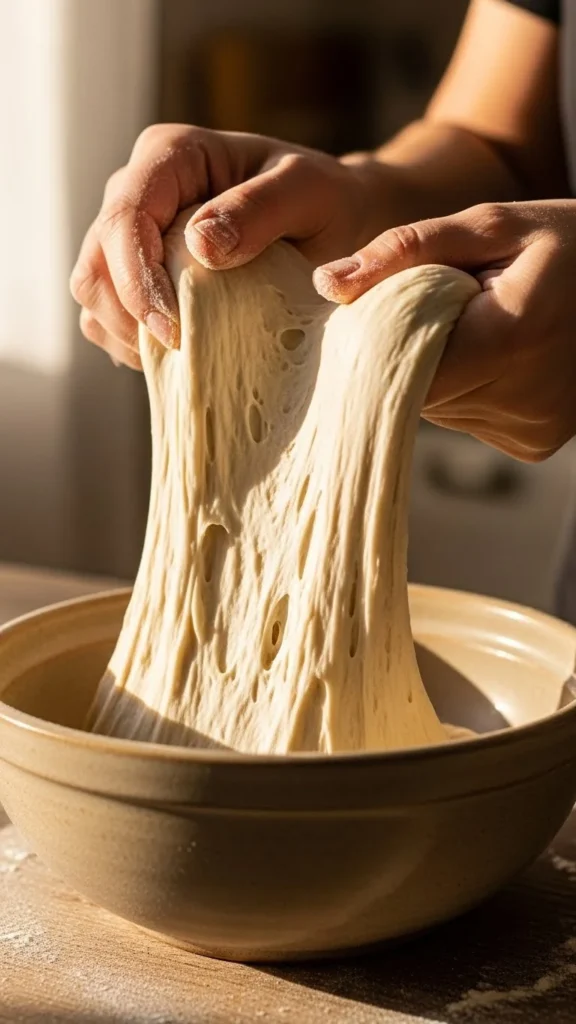
Kneading builds gluten, which gives bread structure and softness. But don’t worry—this doesn’t have to be hard.
How to knead:
- Lightly flour your counter.
- Turn the dough out and push it away from you with the heel of your hand.
- Fold it back over itself.
- Repeat for 6–8 minutes.
You’ll know it’s ready when the dough turns smooth and stretchy. Press it gently—if it springs back, you’re on the right track.
Beginner-friendly alternative:
If kneading feels overwhelming, do a “no-knead” method by letting the dough rest longer. Time helps gluten form on its own.
Let It Rise: Patience Makes It Perfect
Once kneaded, place the dough in a lightly greased bowl and cover it with a towel. Let it rise for 1–2 hours, or until doubled in size.
A warm, draft-free spot works best—near a sunny window or inside your oven with the light on.
Signs your dough has risen enough:
- It looks puffed and airy
- A finger pressed in leaves a slight dent
- It feels soft and pillowy
This step is where your dough transforms, so don’t rush it!
Shape and Prep the Loaf
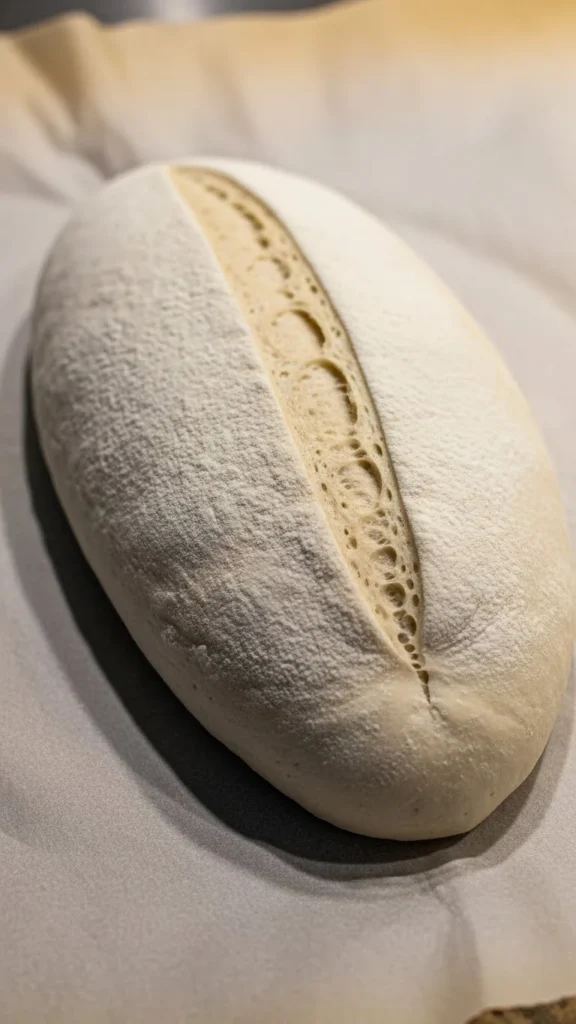
After rising, gently punch the dough down to release extra air. Shape it into a round or oval loaf. You don’t need perfection—rustic is beautiful!
Place the shaped dough onto a baking sheet or into a loaf pan. Let it rest for another 20–30 minutes while you preheat your oven to 425°F (220°C).
Optional finishing touches:
- Dust with flour
- Brush lightly with olive oil
- Score the top with a sharp knife for a professional look
Bake Until Golden and Irresistible
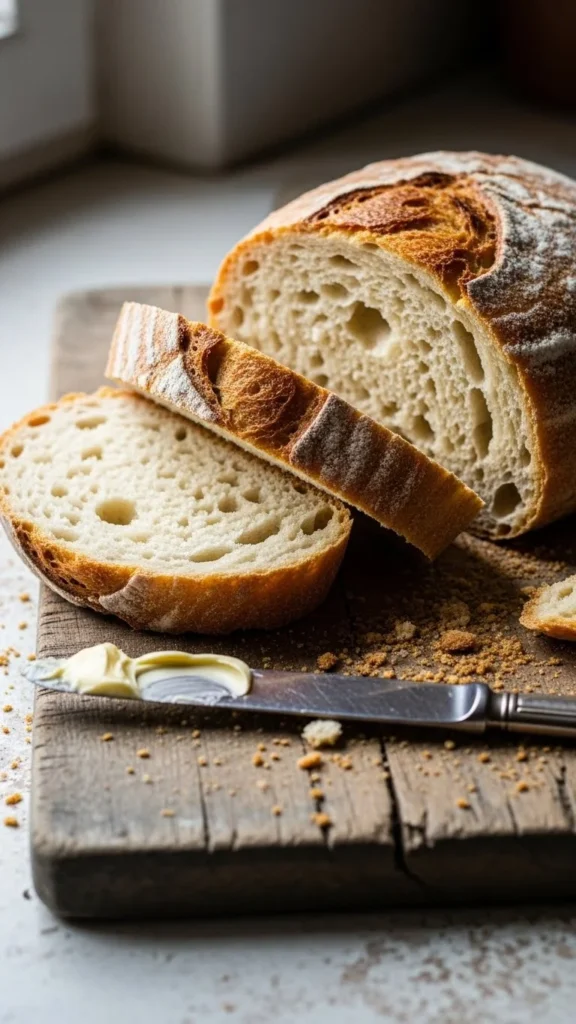
Once the oven is hot, bake the loaf for 25–30 minutes. The crust will turn a deep golden color, and your kitchen will smell like a cozy French bakery.
How to know it’s done:
- Tap the bottom—it should sound hollow
- The crust feels firm and crisp
- The interior temperature (optional check) hits 190–200°F
Let the bread cool at least 20 minutes before slicing so the inside sets properly.
Simple Tips to Make Your Bread Even Better
- Measure ingredients accurately for consistent results.
- Use a kitchen scale if you have one—it’s more reliable than cups.
- Don’t rush rising time; bread needs it to develop flavor.
- Store your loaf wrapped in a towel or bread bag to keep it fresh.
- Add-ins like herbs, cheese, or seeds make easy upgrades!
Why Homemade Bread Feels So Rewarding
There’s something grounding, almost therapeutic, about turning simple ingredients into something warm, fragrant, and nourishing. It feels like slowing down. It feels like comfort you made with your own hands.
And once you bake your first loaf, you’ll realize: this is absolutely doable for beginners.
Final Takeaway
Homemade bread doesn’t require skill—it requires patience, curiosity, and a willingness to get your hands a little floury. Try this beginner-friendly method once, and you’ll be hooked.
Save this recipe for later and try your first loaf today! 🍞

Related posts:
 How to Cook Rice Perfectly Every Single Time
 How to Season Food Properly for Maximum Flavor
 How to Cook Chicken So It Stays Juicy and Tender
 22 Irresistible Pasta Recipes Everyone Asks You For
 29 Lazy Crockpot Meals That Cook While You Relax
 26 Easy Dinner Recipes That Save Busy Weeknights
 21 Morning-Winning Breakfast Recipes That Feel Special
 23 Powerful Healthy Recipes That Don’t Taste Like Diet Food