
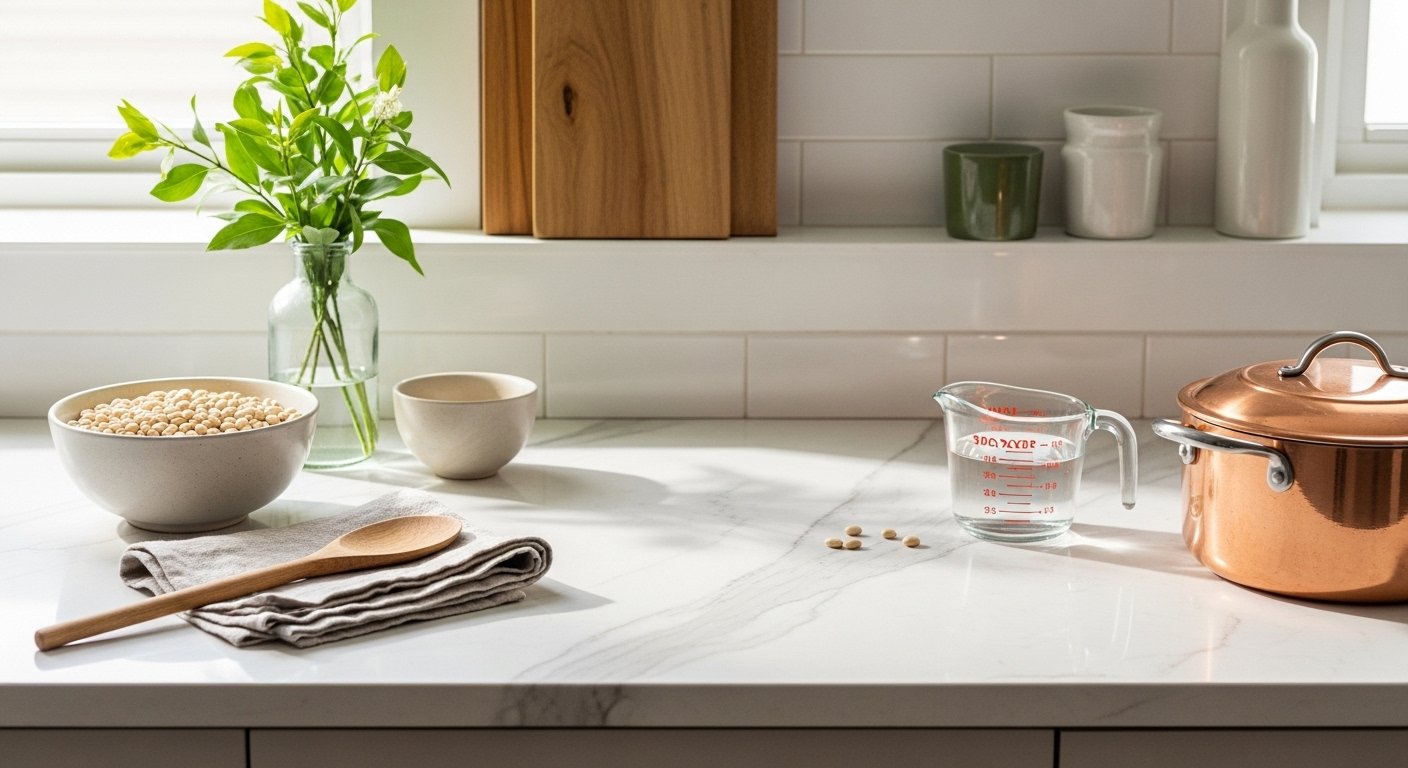
You’ve boiled beans before and ended up with split skins or a mushy mess — you’re not alone. The top pain point from research is unpredictable cooking times and texture, so this guide shows you exactly how to cook beans from scratch without them turning mushy. Follow simple timing, soaking, and simmering rules to get tender-but-intact beans every time.
The secret tools that help most are a heavy Dutch oven or an Instant Pot (for fast, reliable pressure cooking) and a digital kitchen scale for accurate bean portions. Read on for step-by-step technique, plus pantry upgrades that improve flavor.
Preparing & Soaking Beans the Right Way
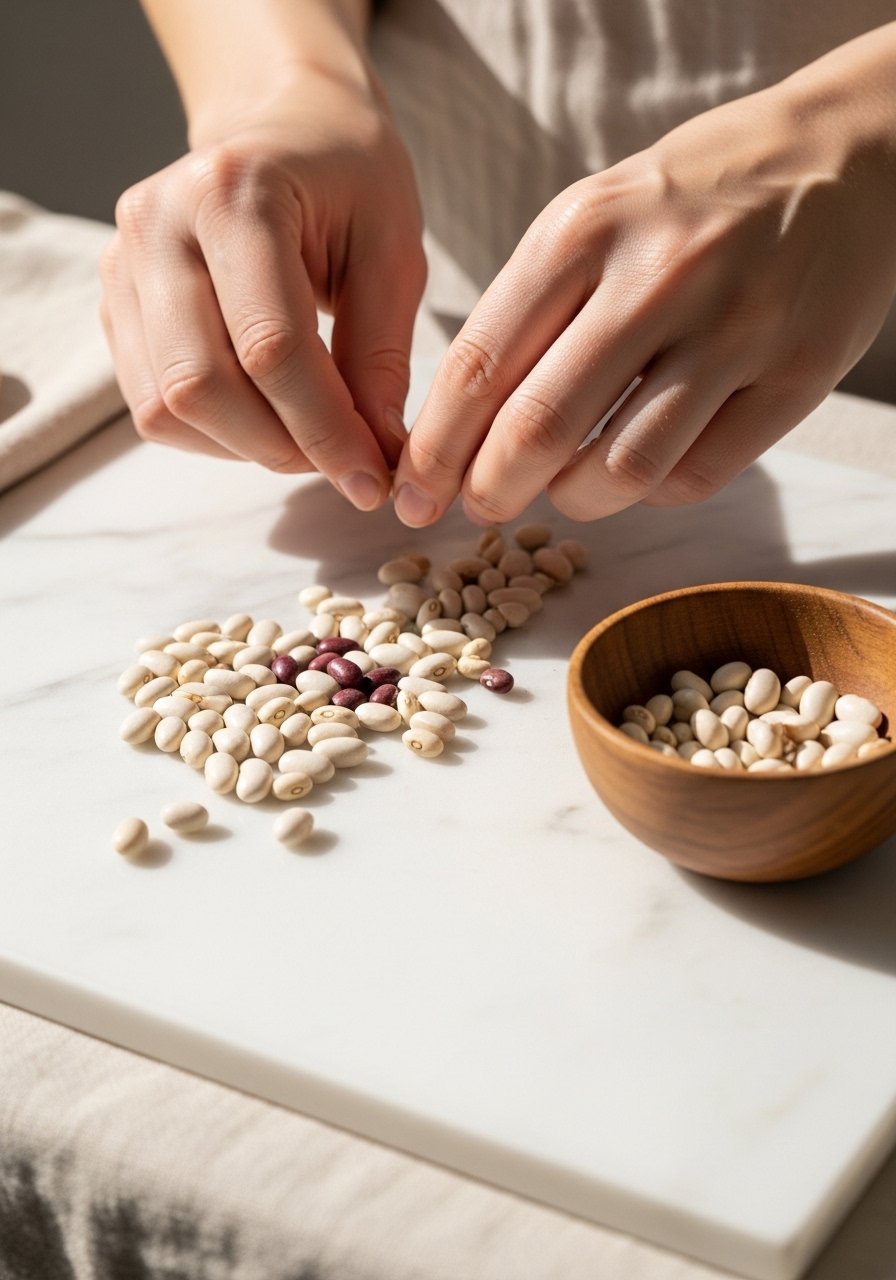
- Sort and rinse your beans; remove shriveled ones or stones. This small step prevents uneven cooking.
- Soak options (pick one):
- Overnight soak: cover beans with 4–10 cups water per 1 cup beans and soak 8–12 hours. This is the gentlest method.
- Hot-soak quick method: boil beans 2 minutes, remove from heat, let sit 1 hour, then drain.
- Always discard soaking water and use fresh water to cook — this reduces off-flavors and helps texture.
Pro tip: For premium flavor and variety try Rancho Gordo dried beans. Use a fine mesh strainer to rinse and drain efficiently.
Choose the Right Cooking Method (and Why It Matters)
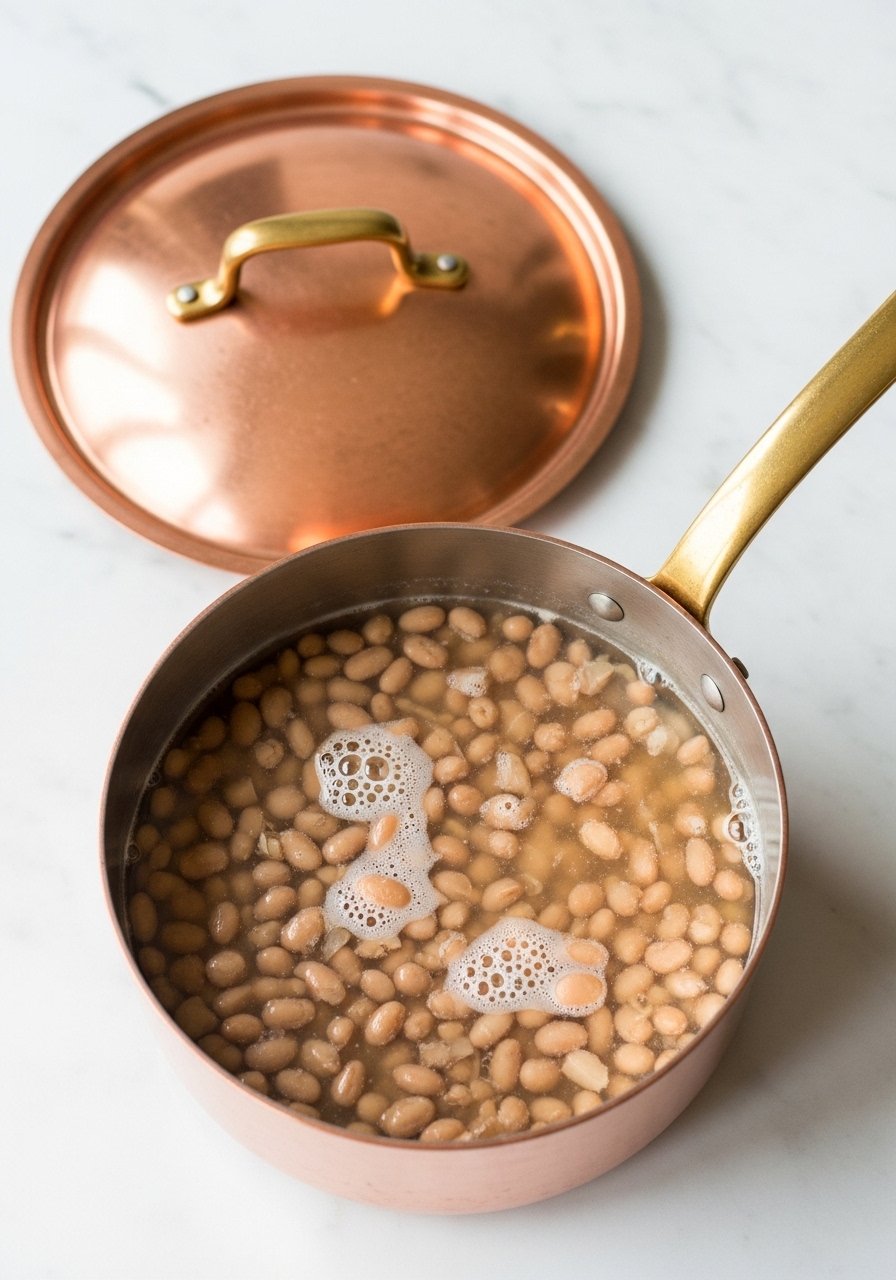
- Stovetop (Dutch oven): Low, steady simmer for 1–3 hours depending on bean age and variety. Keep beans covered and submerged.
- Use a Dutch oven for even heat and less stirring.
- Pressure cooker: If you want speed, pressure cookers bring beans from soaked to tender in ~30 minutes (plus natural release).
- The Instant Pot is excellent for consistent results.
- Slow cooker/oven: Good for hands-off cooking — 4–8 hours on low in a slow cooker, or 1–2 hours at 350°F in the oven if unsoaked.
Addressing the pain point of unpredictable times: age of beans matters most. Older beans take longer and are more likely to split — buy fresh dried beans and store them in glass storage containers for best results.
How to Cook Beans Without Mushiness (Texture Control)
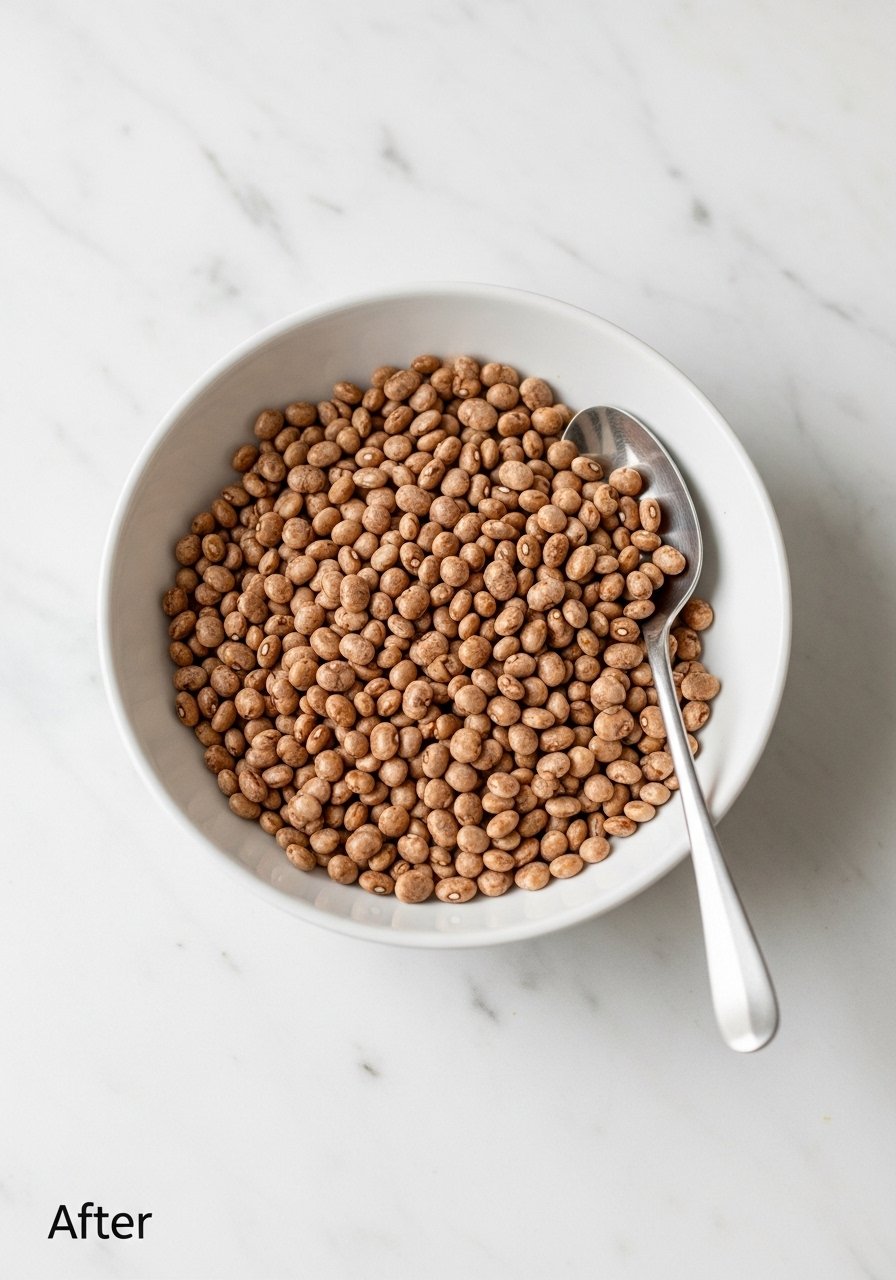
- Salt timing: Contrary to old advice, add salt during cooking (about 1 teaspoon kosher salt per cup dried beans) — it seasons and firms the skins.
- Use kosher salt for even seasoning.
- Maintain a gentle simmer — no rolling boil. High agitation splits skins.
- Keep liquid at low bubbles; if using stovetop, reduce heat once boiling.
- Test often toward the end: remove a bean, cool quickly, and press between thumb and forefinger to judge tenderness.
- Avoid acidic additions (vinegar, tomatoes) until beans are tender — acid slows softening.
- Add a splash of olive oil near the end to improve mouthfeel: extra virgin olive oil.
Tools that help: a long-handled slotted spoon for gentle stirring and a digital kitchen scale to measure beans consistently.
Finish, Store, and Use Your Beans
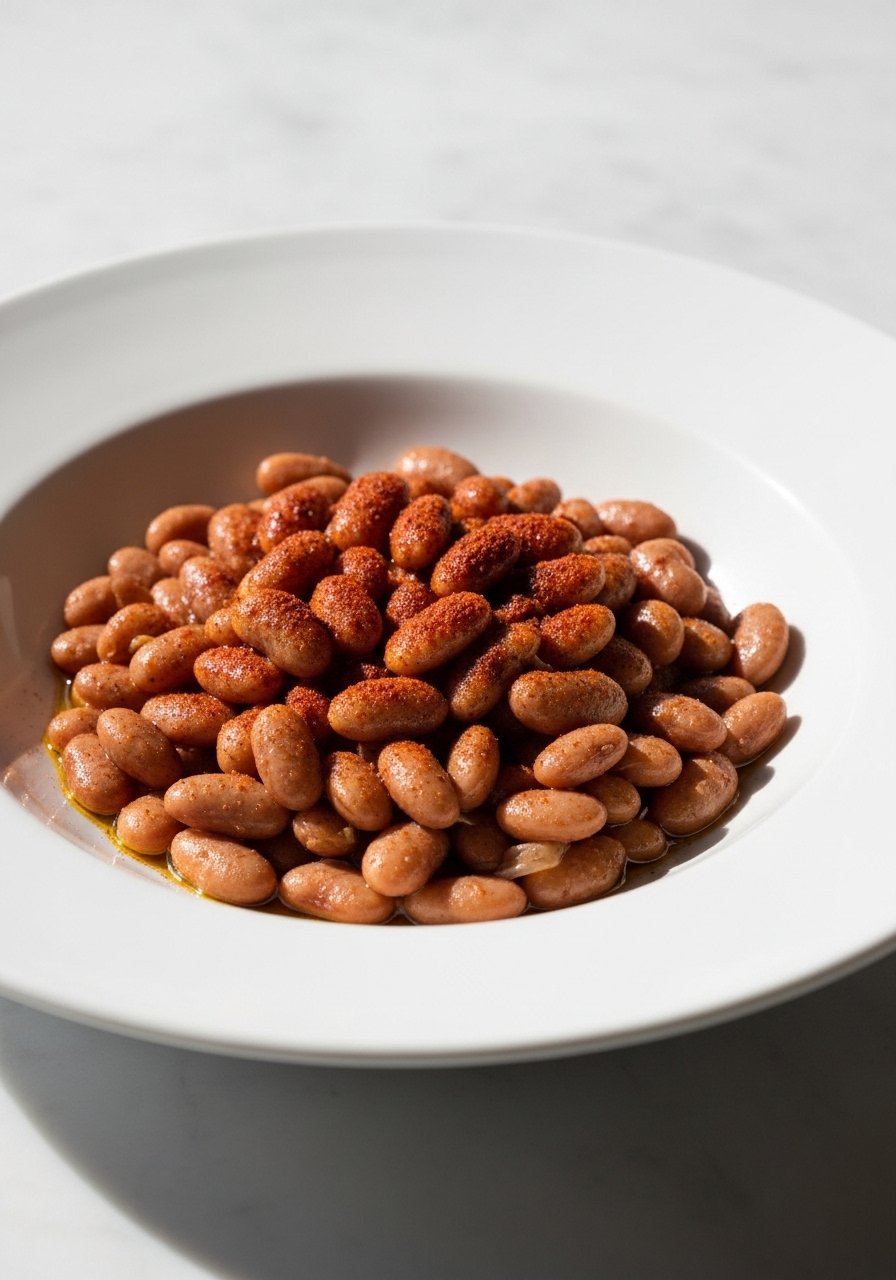
- Rest beans in their cooking liquid for 15–30 minutes off heat — this stabilizes texture and deepens flavor.
- For quick use, mash a few for refried-style dishes or leave whole for salads and stews.
- Cool and store with a cup of cooking liquid in glass storage containers in the fridge up to 5 days, or freeze portions for 2–3 months.
- Flavor boosters: bay leaf while cooking (bay leaves), a pinch of smoked paprika, or a splash of good vinegar just before serving.
You’ve learned how to cook beans from scratch without them turning mushy by controlling soak, simmer, and seasoning. Pin this guide, try one method this week, and tell us which bean variety you’ll cook next. For reliable, repeatable results, I keep an Instant Pot on standby — it saved countless batches.
Which tip will you try first? Pin this guide for your next meal prep!

Related posts:
 9 Hands-Off Slow Cooker Recipes That Taste Homemade
 How to Use Spices Correctly to Transform Any Dish
 How to Make Simple Sauces That Upgrade Any Meal
 How to Cook Potatoes in the Most Delicious Ways
 How to Fry Food That’s Crispy Not Greasy
 How to Cook Lentils Perfectly for Any Recipe
 How to Cook Rice Without a Rice Cooker Perfectly