
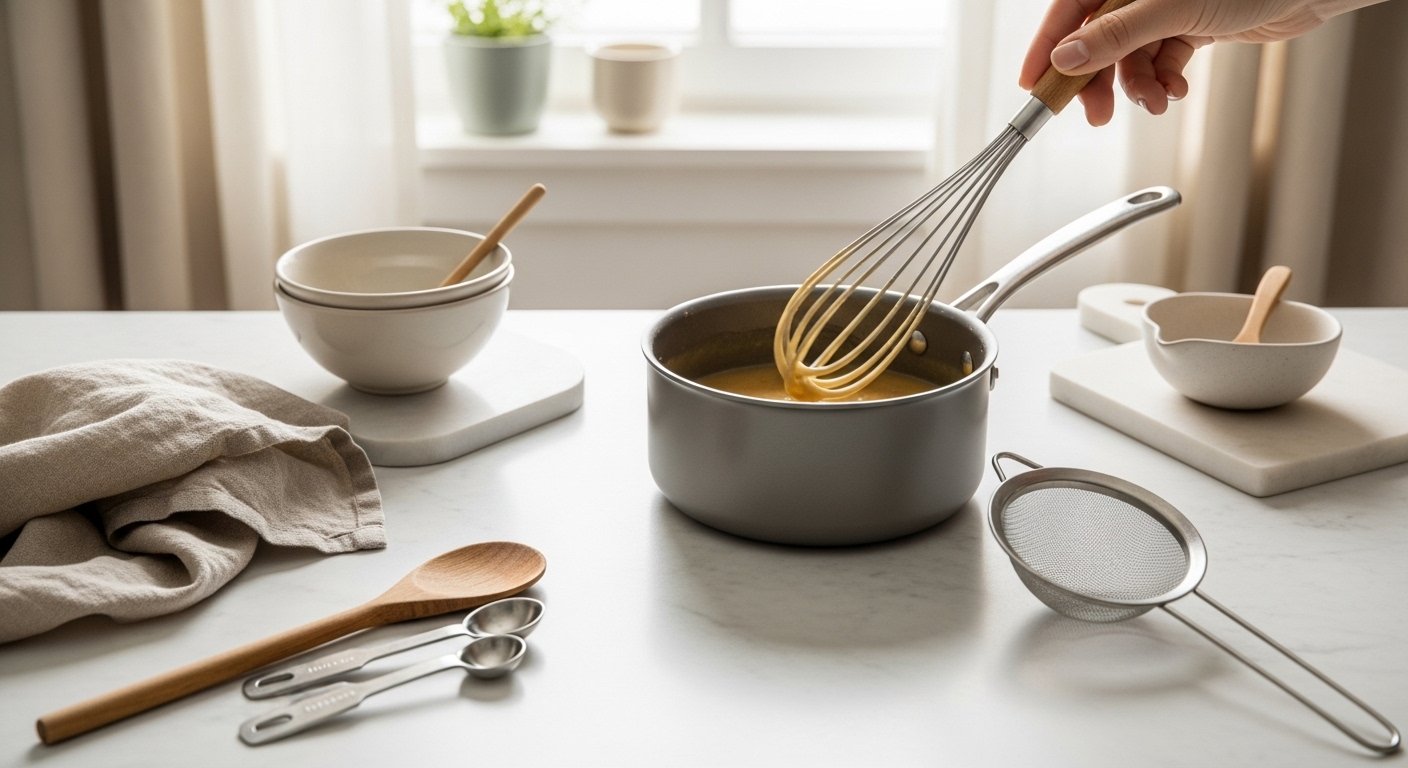
Tired of lumpy sauce at dinner? If you want to know how to make gravy smooth and lump-free every time, you’re in the right place. According to a 2024 Food Network survey, nearly 68% of home cooks say lumps are their top gravy fear—so you’re not alone. This guide shows you simple, testable fixes so your gravy has a silky smooth texture and rich savory flavor.
The secret is technique plus the right tools. For fast wins, whisk with a heat-safe silicone whisk and strain through a fine-mesh sieve. Read on to learn step-by-step how to make gravy smooth and lump-free and what to do if it starts to break.
Preparing Your Ingredients
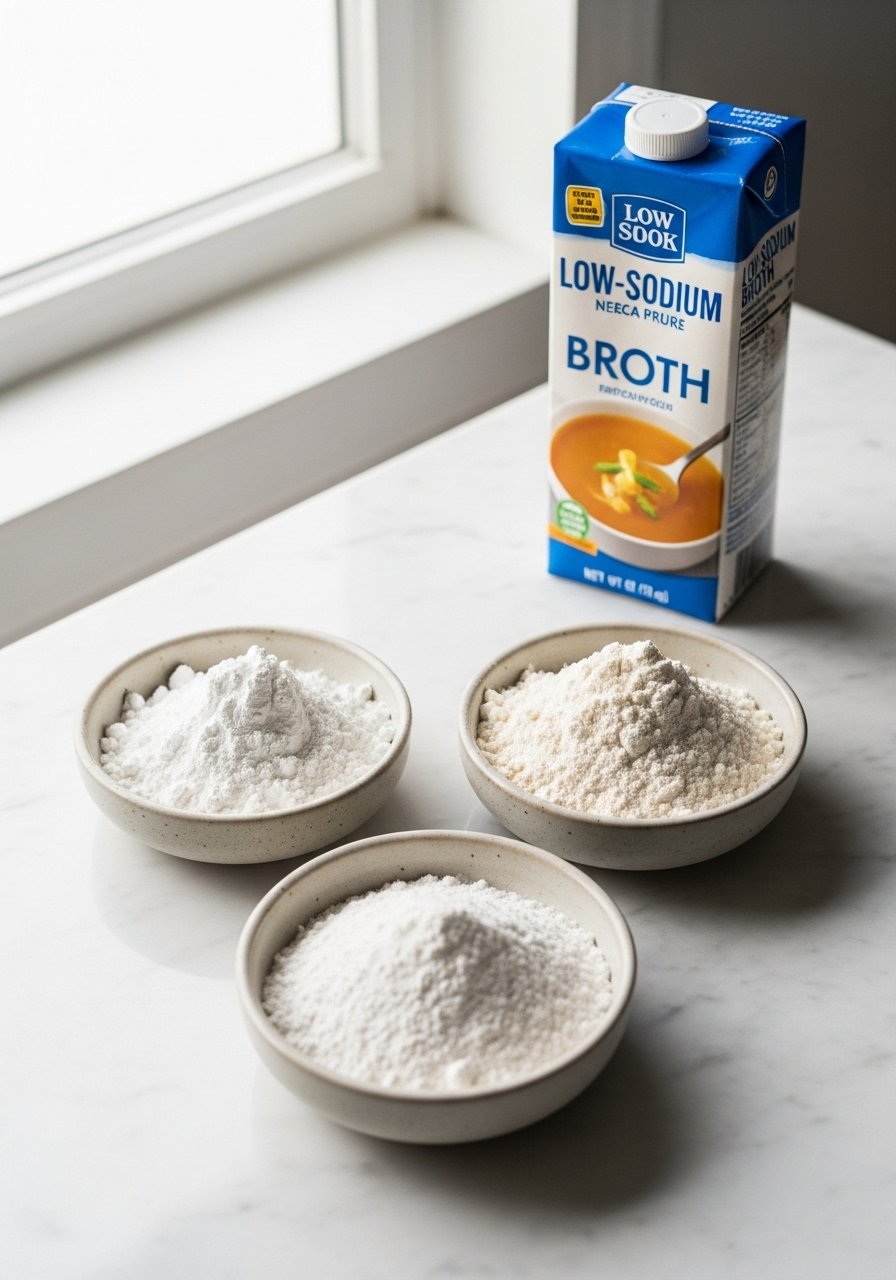
Get the ratios right before you start. For a cornstarch slurry, whisk 1 tablespoon cornstarch + 1 tablespoon cold water per cup of liquid until fully dissolved. For a roux, use 1 tablespoon fat + 1 tablespoon all-purpose flour per cup of gravy base.
Quick tips:
- Use cold liquid for mixing starch—this prevents premature thickening and lumps.
- Measure with a set of measuring spoons for consistent results.
- If you prefer gluten-free, substitute cornstarch with tapioca starch at the same ratio.
Addressing pain points: a lot of lumping happens from adding starch to hot liquid. Mix in advance and add slowly while whisking.
Mastering the Mixing/Cooking Technique
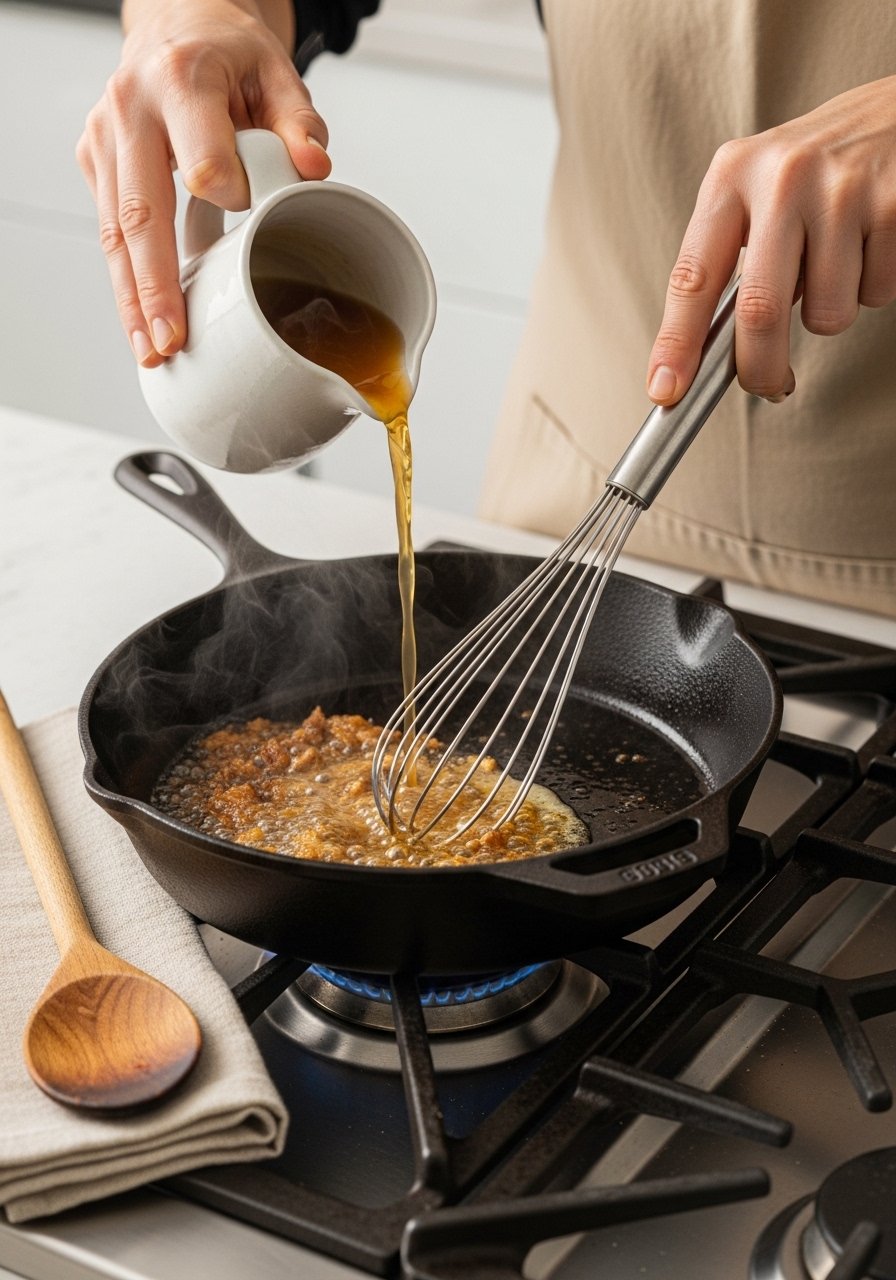
How to make gravy smooth and lump-free starts with the fat and pan. If you’ve seared meat, scrape the golden brown drippings from a 10-inch cast iron skillet into your pan for extra flavor.
Step-by-step:
- Deglaze with 1 cup warm low-sodium chicken broth at a time to lift browned bits.
- For a roux-based gravy: melt 1 Tbsp butter and stir in 1 Tbsp flour; cook 1–2 minutes until nutty.
- For a quick slurry: whisk your cornstarch slurry and add slowly to simmering liquid while whisking for 1–2 minutes until glossy.
Products that help:
- A low-sodium chicken broth keeps salt control.
- A container of unsalted butter for consistent fat.
Pro tip: never dump cold slurry in one spot—temper and whisk steadily.
Getting the Perfect Smooth Texture (and Fixing Lumps)
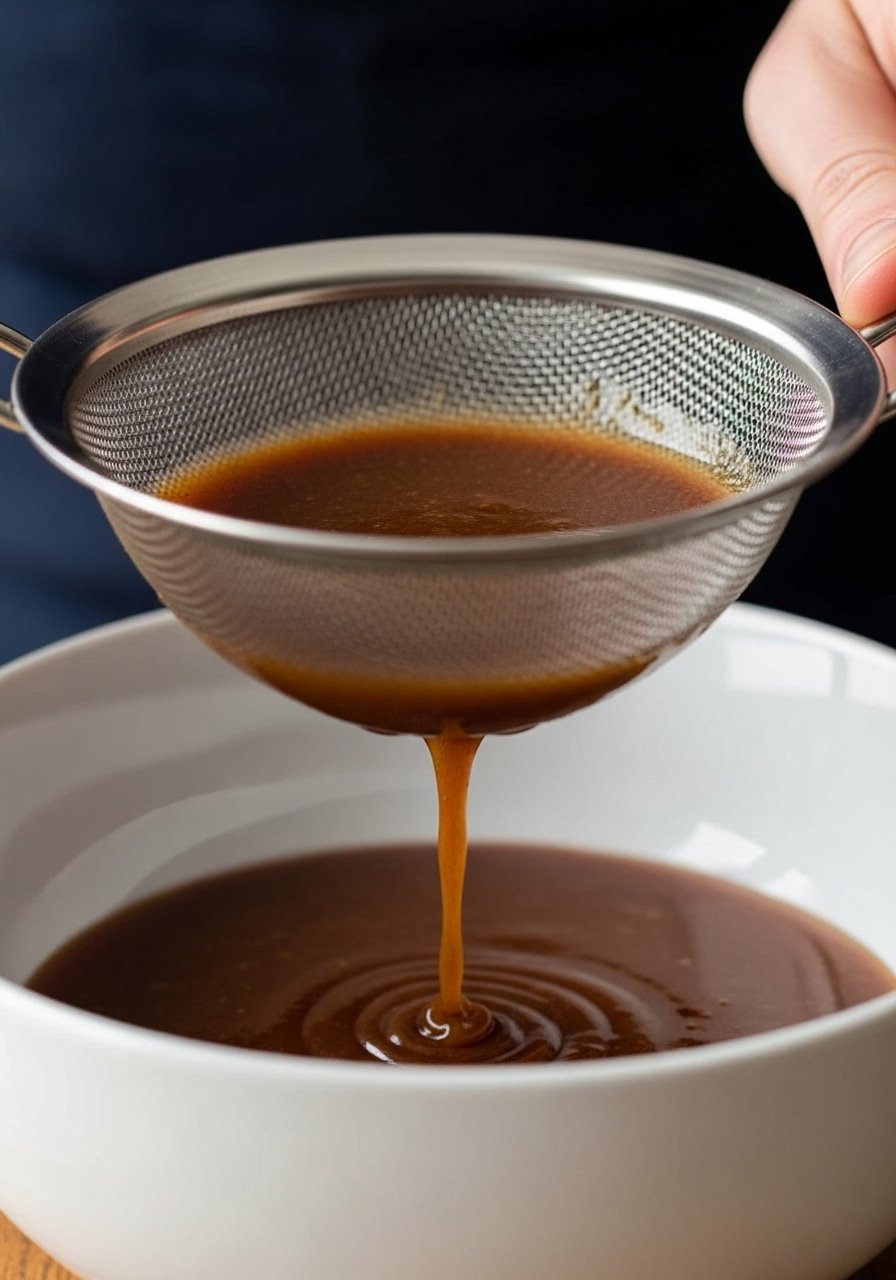
If lumps appear, don’t panic—here’s how to make gravy smooth and lump-free fast:
- Remove pan from heat and whisk vigorously; many lumps break up with motion alone.
- Use an immersion blender right in the pot for stubborn lumps—pulse until silky.
- Strain through a fine-mesh sieve into a warm serving dish to catch any remaining bits.
Scaling and visual cues:
- For thicker gravy, add 1/2 Tbsp slurry per extra cup, simmer 2–3 minutes.
- Your gravy is done when it coats the back of a spoon and has a glossy sheen.
Unique tip (competitors often miss): finish with a small knob of cold butter whisked in off heat for a velvety shine and to round the flavor—this smooths surface tension and hides tiny imperfections.
Troubleshooting Common Issues & Storage
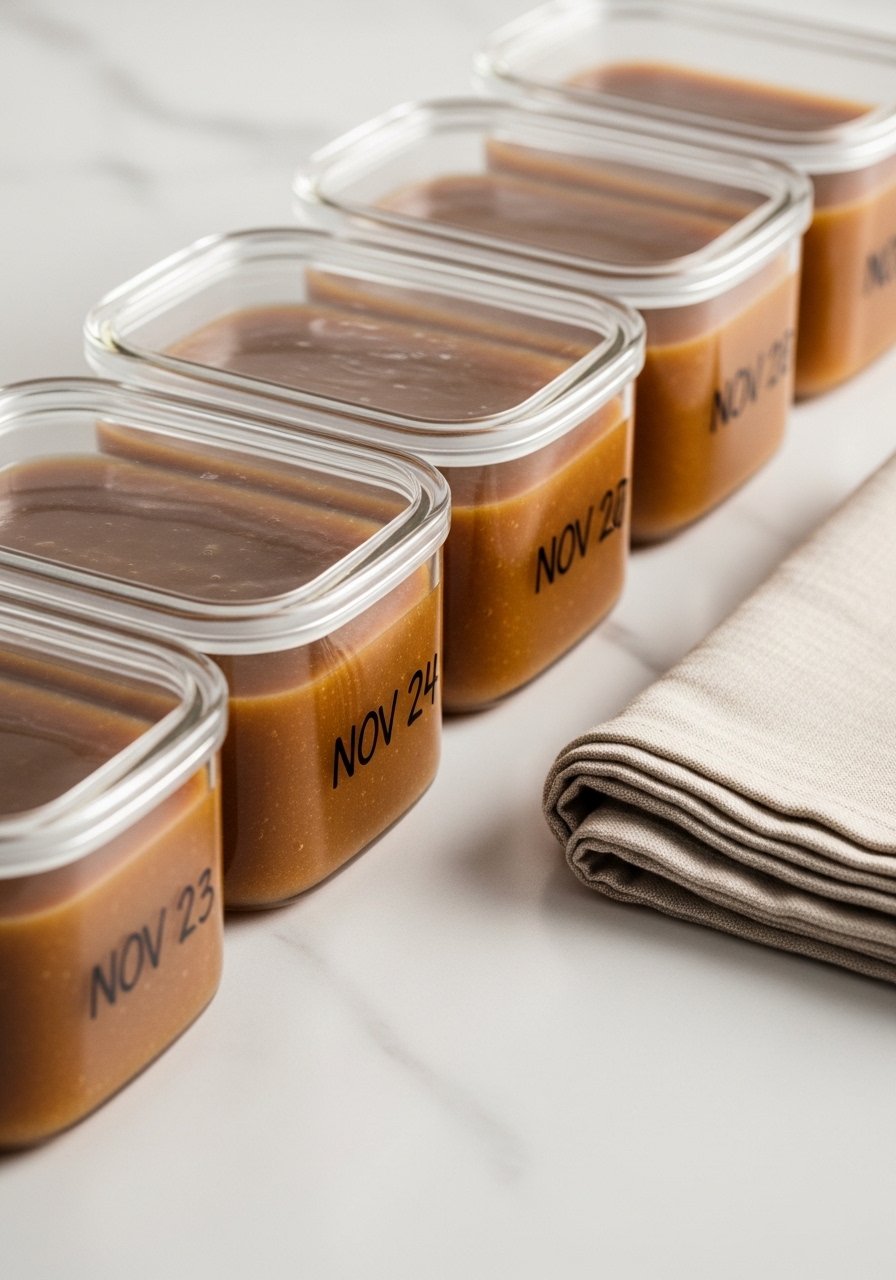
Common problems and quick fixes:
- Too thin? Simmer 3–5 minutes, or whisk in a beurre manié (equal parts softened butter + flour, kneaded, then whisked in).
- Too thick? Whisk in warm broth, 1 Tbsp at a time.
- Grainy or broken? Emulsify with an immersion blender off heat.
Storage:
- Refrigerate up to 3 days in airtight glass containers or freeze up to 3 months.
- Reheat gently over low heat, whisking; add a splash of warm broth if needed.
A time-saving tool: a gravy separator makes skimming fats simple when finishing.
Once you master these steps, you’ll always know how to make gravy smooth and lump-free. Pin this guide and save it for holiday prep—your guests will notice the silky texture.
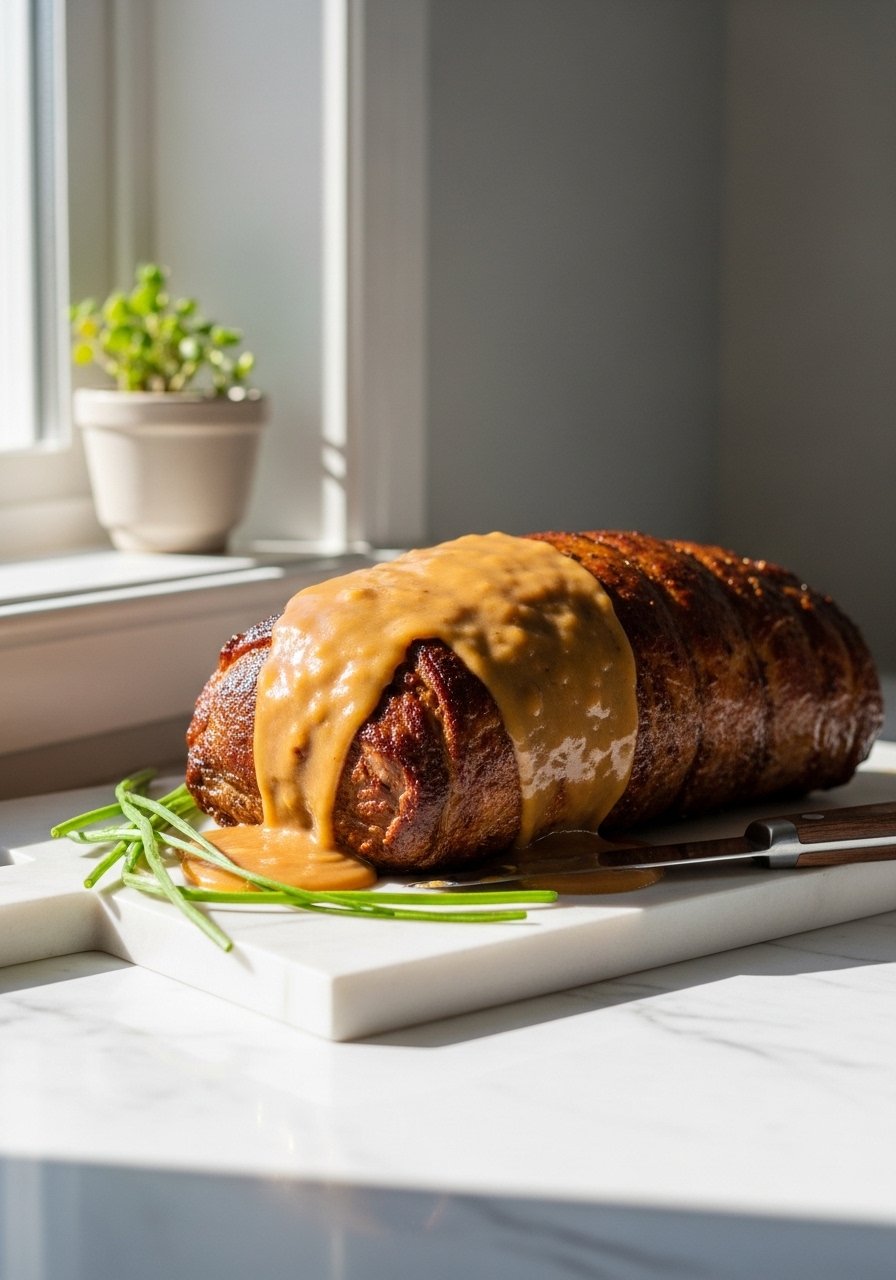
Warm up a pot, try the slurry or roux method, and pick one of the fixes above if you see lumps. Want to try the tools I mentioned? Start with a silicone whisk and a fine-mesh sieve—they make the biggest difference. Pin this guide for your next roast—what fix will you try first?