You want to cook on a budget without sacrificing flavor, but grocery receipts and bland dinners keep getting in the way. Many home cooks say meal cost limits their creativity — and you want tasty dinners that don’t break the bank.
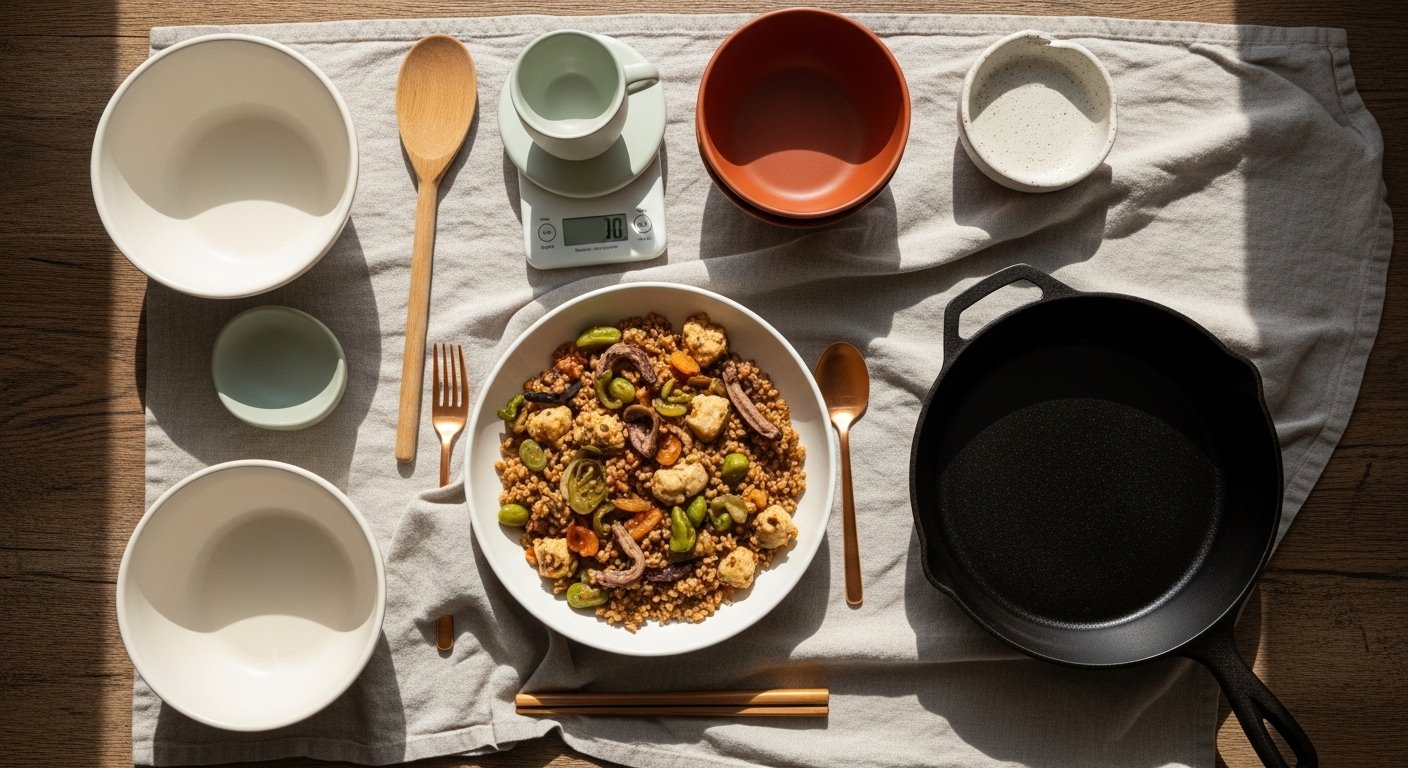
The secret is technique, pantry upgrades, and smart tools. Start with a reliable digital kitchen scale for consistent portions and a 10-inch cast iron skillet for high-heat sears that add big flavor from inexpensive cuts.
This guide walks you through practical, repeatable steps so you can cook on a budget without sacrificing flavor. You’ll learn smart prepping, three stretch-your-dollar cooking techniques, exact temps and times, and pantry buys that add punch. Ready? Let’s get cooking.
Preparing Your Ingredients for Maximum Flavor
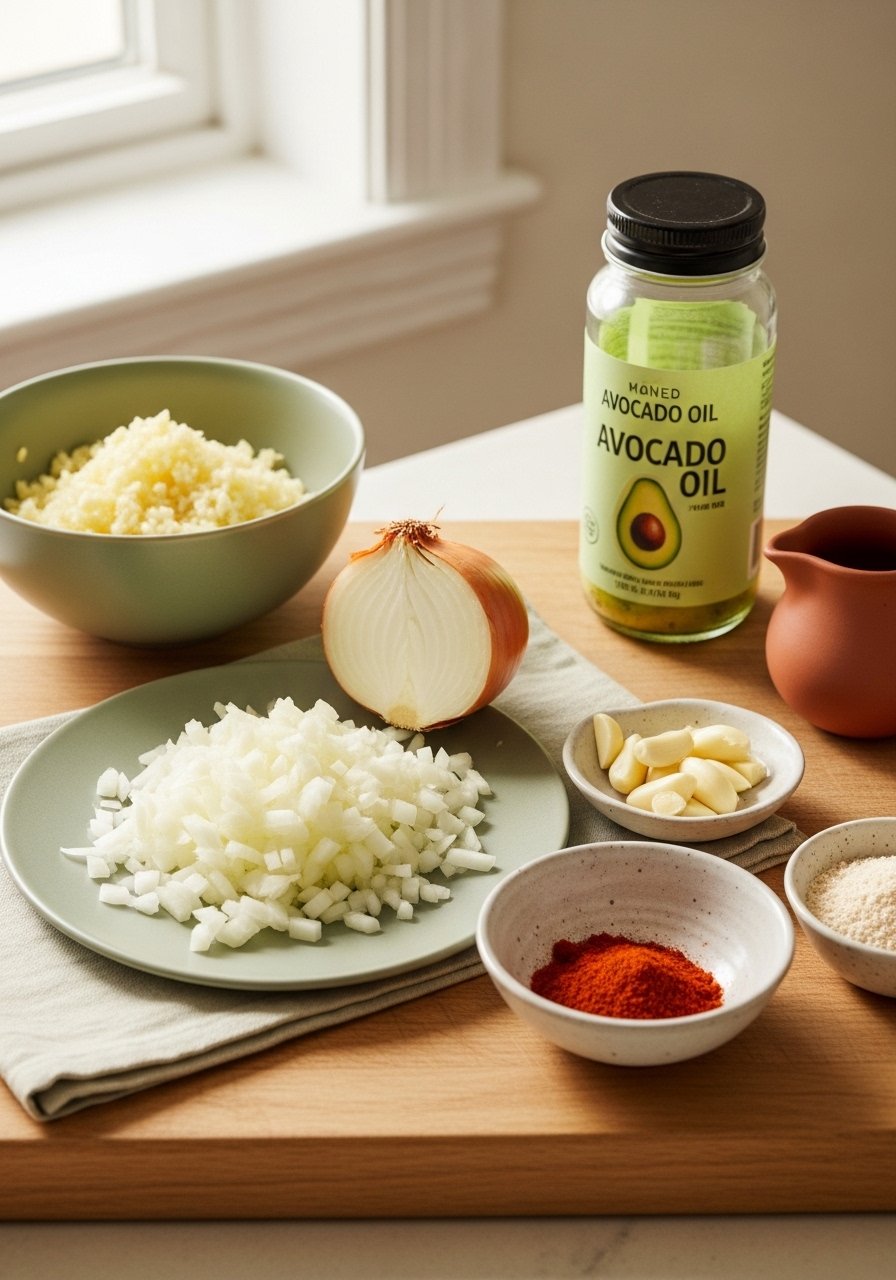
Good prep saves money and prevents waste. Do mise en place: chop, measure, and portion once. Use a scale to split bulk buys into meal-sized amounts.
Tips:
- Buy bulk basics like rice, dried beans, and canned tomatoes. Swap fresh herbs for dried during off-season.
- Toast spices for 1–2 minutes to unlock oils and get deep savory flavor from small amounts.
- Use a neutral oil with a high smoke point, like avocado oil, to get crispy golden edges without extra cost.
Quick substitution: no saffron? Use smoked paprika for color and a hint of smokiness. I keep smoked paprika on hand for that reason.
The Cooking Techniques That Stretch Your Dollar
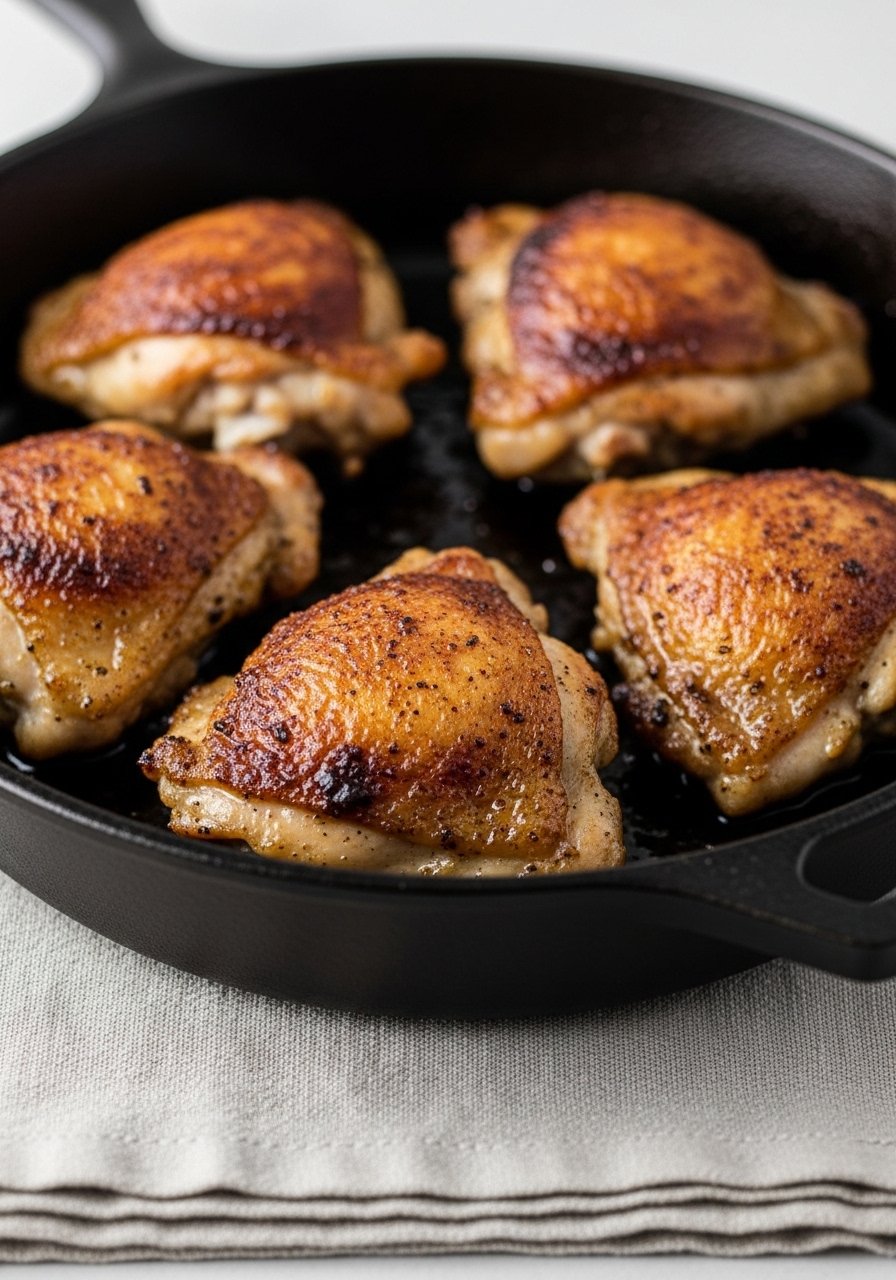
Use these three high-impact, low-cost techniques:
- Sear then braise: brown inexpensive cuts (chicken thighs, pork shoulder) at high heat, then simmer in a flavorful liquid. Sear at medium-high until crispy golden edges, about 3–4 minutes per side, then braise 20–30 minutes.
- One-pot layering: build flavor in this order — aromatics, spice, toast, deglaze. Deglaze with vinegar or a splash of canned tomatoes.
- Roast for concentration: roast vegetables or beans at 425°F for 20–30 minutes to deepen flavor.
Tools that help:
- A heavy instant pot speeds braises and cooks dried beans without soaking.
- Stir in a spoonful of gochujang paste for a sweet-spicy finish when you want more complexity from little money.
Getting the Perfect Texture and Doneness Every Time
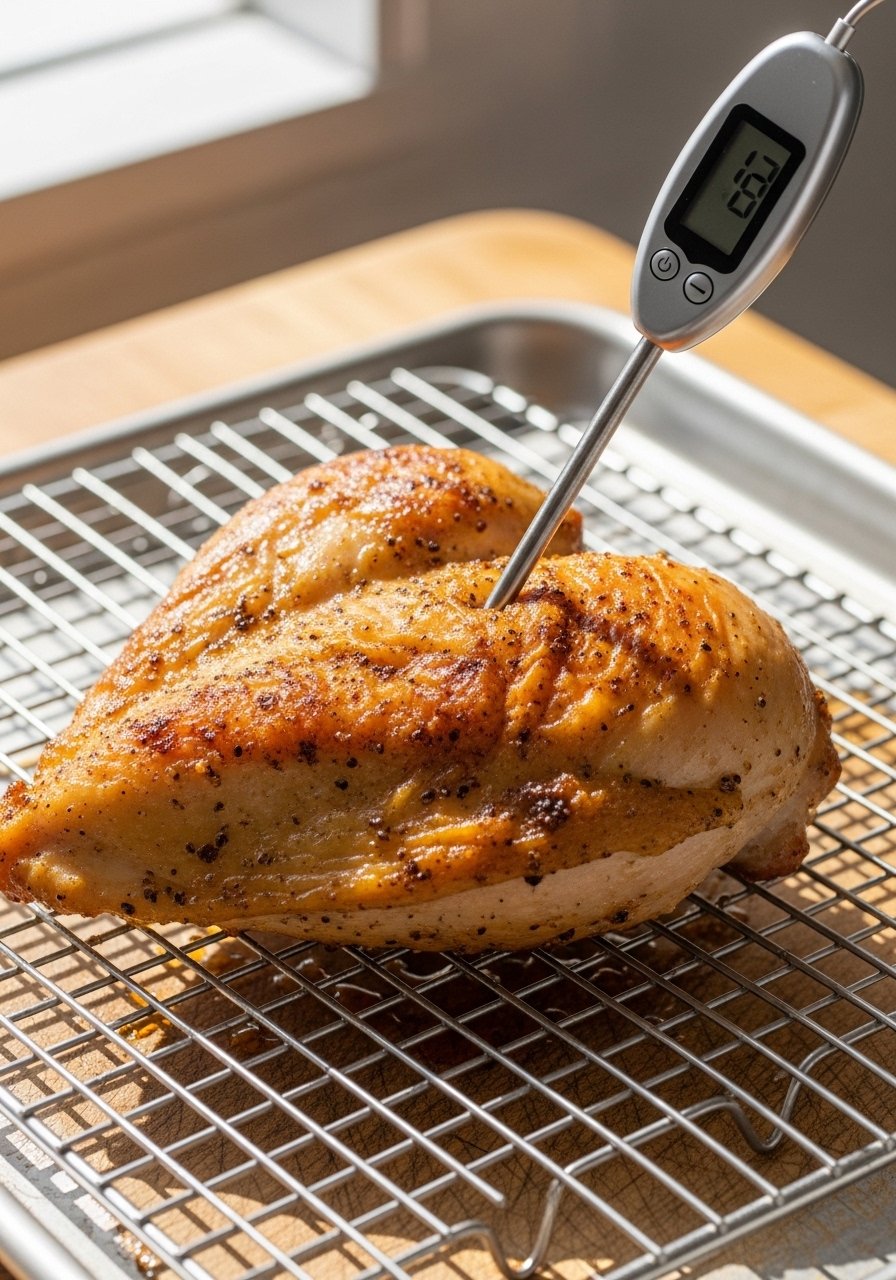
Nailing texture prevents waste and keeps meals enjoyable. Use visual cues and a tool:
- Chicken: target 165°F internal temp checked with an instant-read thermometer.
- Beans: simmer until tender but not mushy, usually 45–75 minutes for dried beans (less in a pressure cooker).
- Rice: use a 1:1.5 rice to water ratio for most long-grain rice on the stovetop; rest 10 minutes before fluffing.
Pro tips:
- Undercook slightly when you’ll reheat later — it keeps texture from going soggy.
- Scale recipes for your household: halve, double, or freeze half for later.
Finishing Touches and Smart Storage
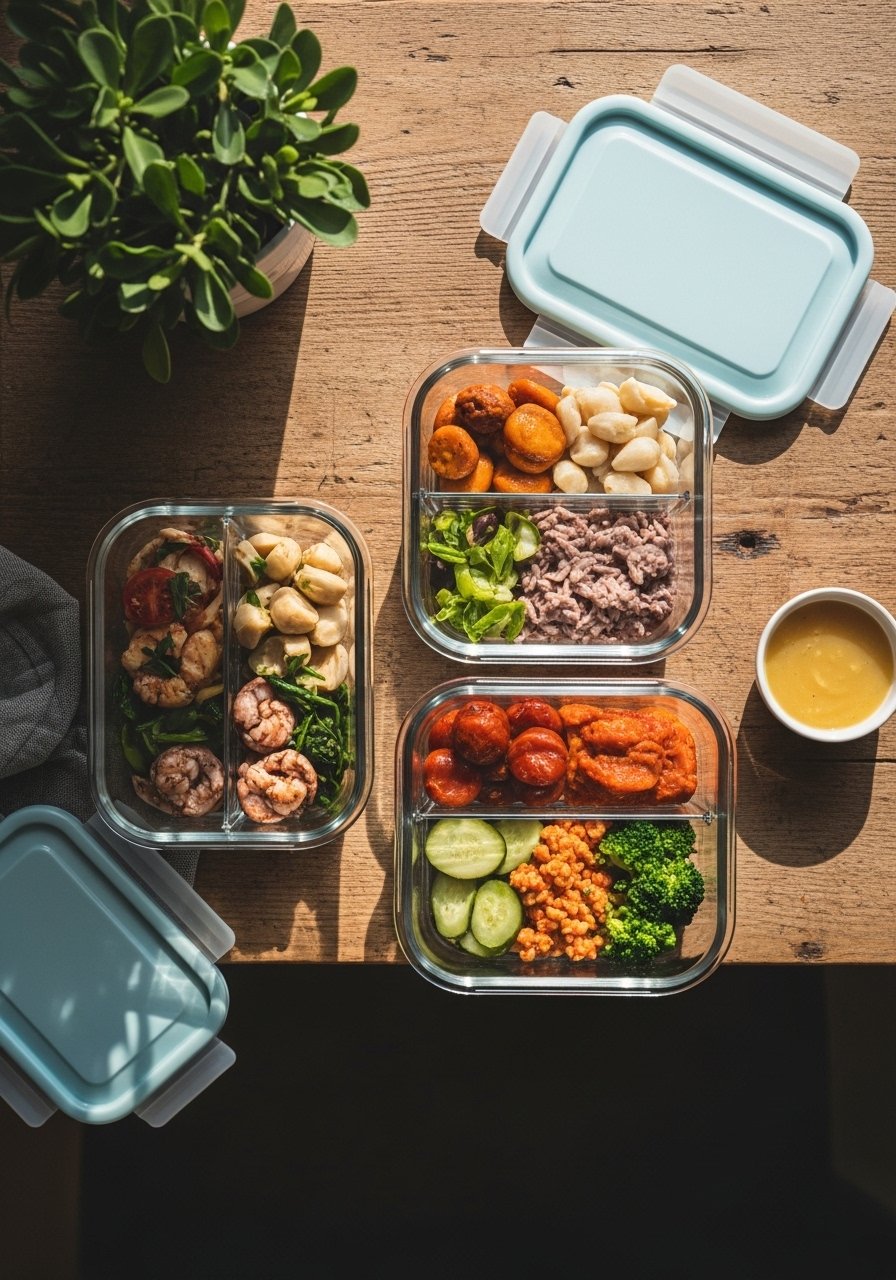
Finishing builds flavor on a budget. Acid, fat, and salt are your friends:
- Add a squeeze of citrus or a splash of rice vinegar to brighten stews.
- A drizzle of avocado oil or a sprinkle of smoked paprika lifts leftovers.
Storage and make-ahead:
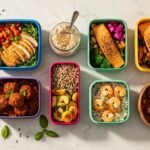
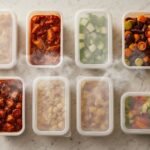
- Portion into mason jars or glass storage containers to freeze or fridge-store for 3–5 days.
- Freeze braises in single portions. Thaw overnight in the fridge, reheat gently, and check with your thermometer.
Pantry upgrades that add big flavor for low cost:
These small buys let you cook on a budget without sacrificing flavor.
You just learned concrete steps to stretch ingredients, extract deep savory flavor, and store smartly. Try the sear-then-braise method this week and save portions for easy dinners. Pin this guide for later and grab a digital kitchen scale or cast iron skillet if you want consistent results. Which budget trick will you try first?