
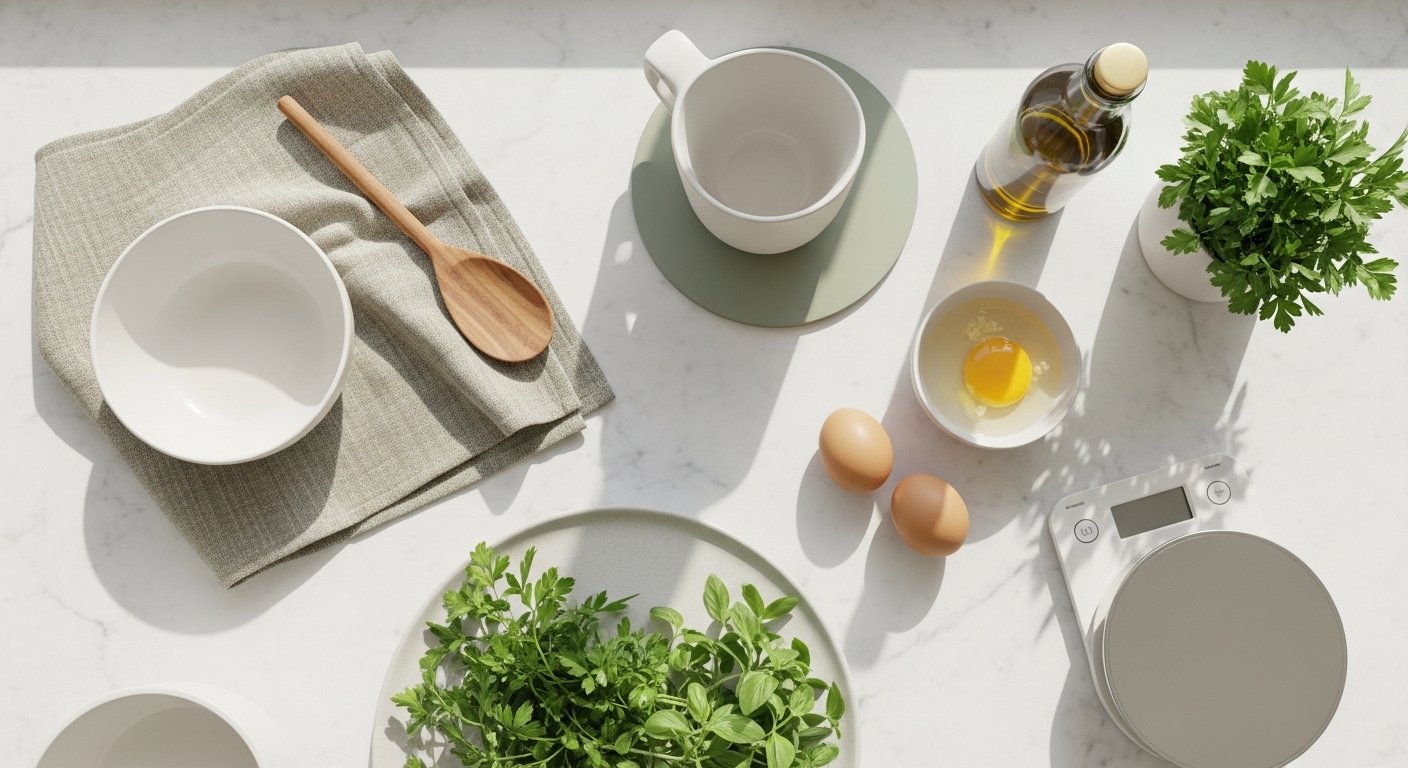
You want to learn how to cook for beginners without feeling overwhelmed. If the cluttered ingredient lists and unknown timings make you freeze, you’re not alone — according to a 2024 Food Network survey, about 62% of new cooks say too many steps is the main blocker to cooking at home. Learn how to cook for beginners in simple, repeatable steps so you feel calm and capable.
The secret? Start with a digital kitchen scale so measurements are consistent, and a reliable 10-inch cast iron skillet for one-pan wins. In this guide you’ll get step-by-step prep, basic heat control, foolproof doneness checks, quick substitutions, and storage tips you can use tonight.
Preparing Your Ingredients
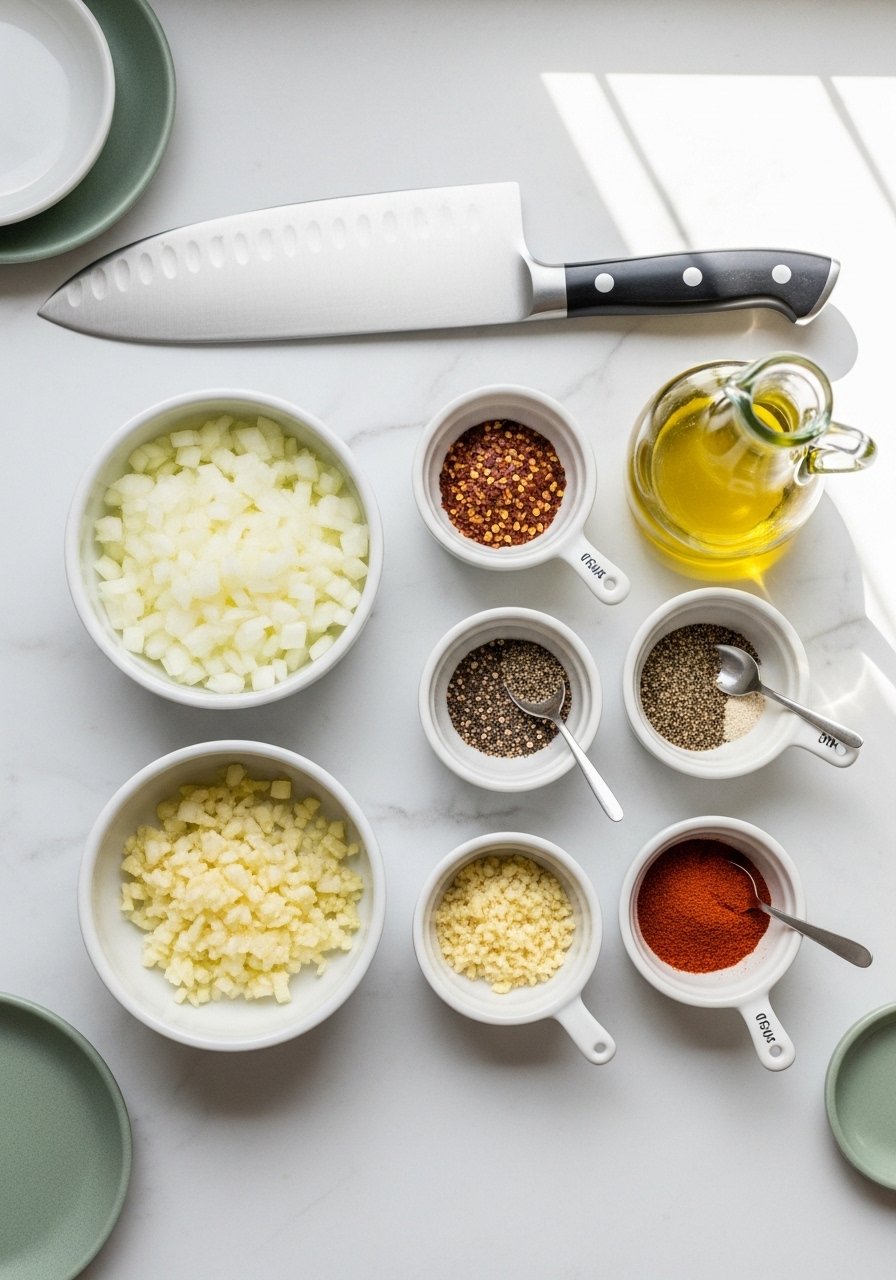
Set yourself up so cooking is 80% organization and 20% decision-making. This is the most common pain point for beginners — too many last-minute choices.
- Always chop, measure, and label before you heat the pan. Use a flaky sea salt and extra virgin olive oil for base seasoning; they’re inexpensive and versatile.
- Keep common pantry staples on hand: smoked paprika adds color and a subtle smoke without heat.
- Quick visual cues: diced onion should be uniform (similar size) so it sweats evenly; minced garlic should be small enough to melt into a silky sauce.
Tips:
- Use the scale for quick dry measurements (1 cup flour ≈ 120g).
- Substitute San Marzano tomatoes for canned tomatoes in sauces for a brighter finish: San Marzano tomatoes.
- Prep takes 10–15 minutes for most 30-minute meals — that saves stress during cooking.
The Mixing/Cooking Technique
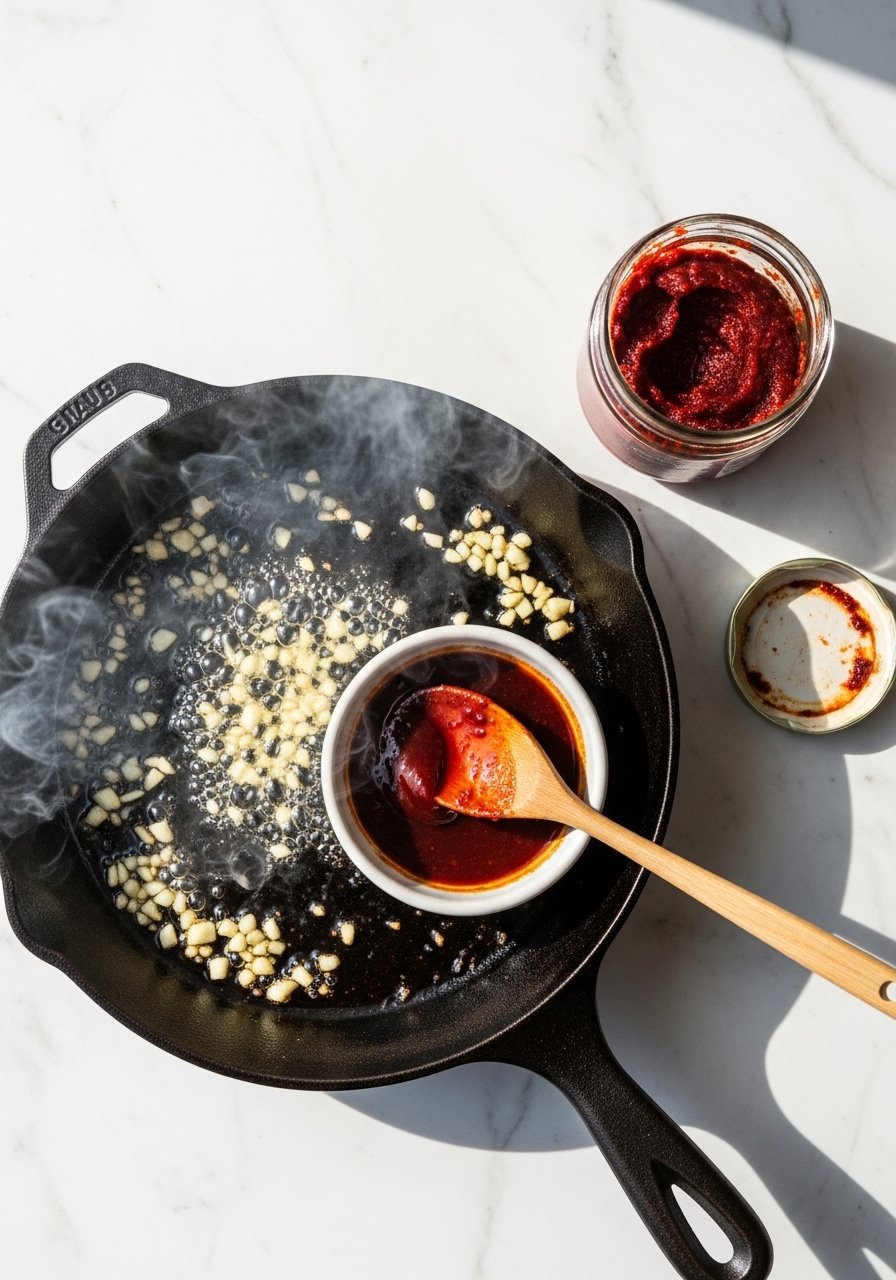
Mastering heat control and simple techniques solves the “I burned it” pain point.
- Start medium heat for oil, drop temperature before adding delicate proteins. For searing, a Lodge Cast Iron performs predictably — if you want reliable browning, consider a Lodge Cast Iron skillet.
- Bloom spices in oil for 30–45 seconds to release flavor; that ten-minute flavor trick stops bland results.
- Use a silicone spatula and a silicone whisk to stir without scratching pans.
Quick steps:
- Sear proteins 2–3 minutes per side for golden crust.
- Lower heat and finish with sauce for a silky finish.
- For a sweet-spicy finish, stir in a spoon of gochujang paste at the end.
Warnings: don’t crowd the pan — crowded pieces steam instead of getting crispy golden edges.
Getting the Perfect Texture/Doneness
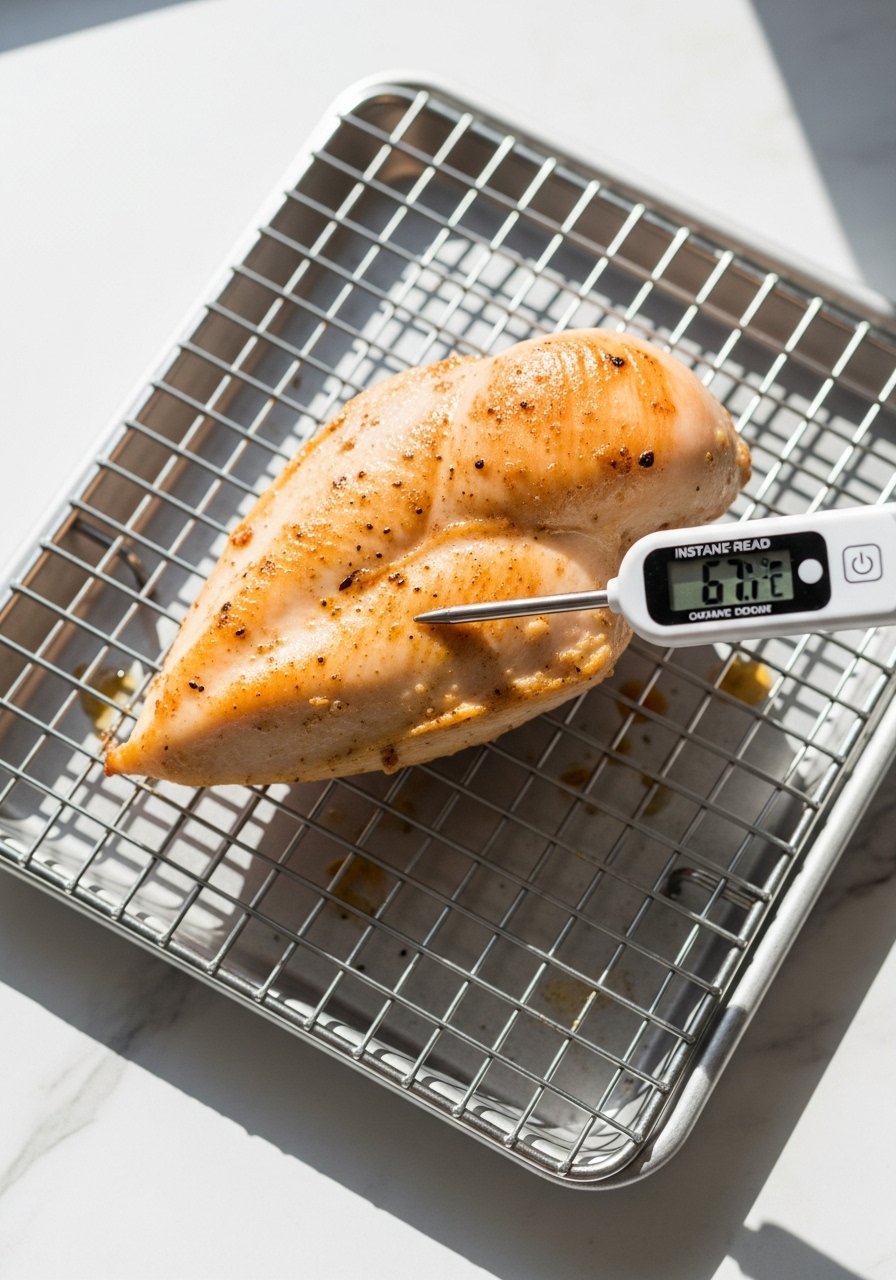
One big fear is “How do I know when it’s done?” Use temperature and visual cues.
- Poultry → 165°F internal temperature. Beef/pork vary by cut.
- For vegetables, look for tender centers and crispy golden edges for roasted success.
- Check with an instant-read thermometer — low cost, high confidence.
Simple doneness routine:
- Pull protein 5°F under target and rest 5 minutes.
- Transfer baked items to a wire cooling rack to avoid soggy bottoms.
- Use color, juice clarity, and firm-but-springy texture as visual cues.
Substitutions: if you don’t have a thermometer, cut into the thickest part and look for no-pink juices in poultry.
Finishing Touches and Serving
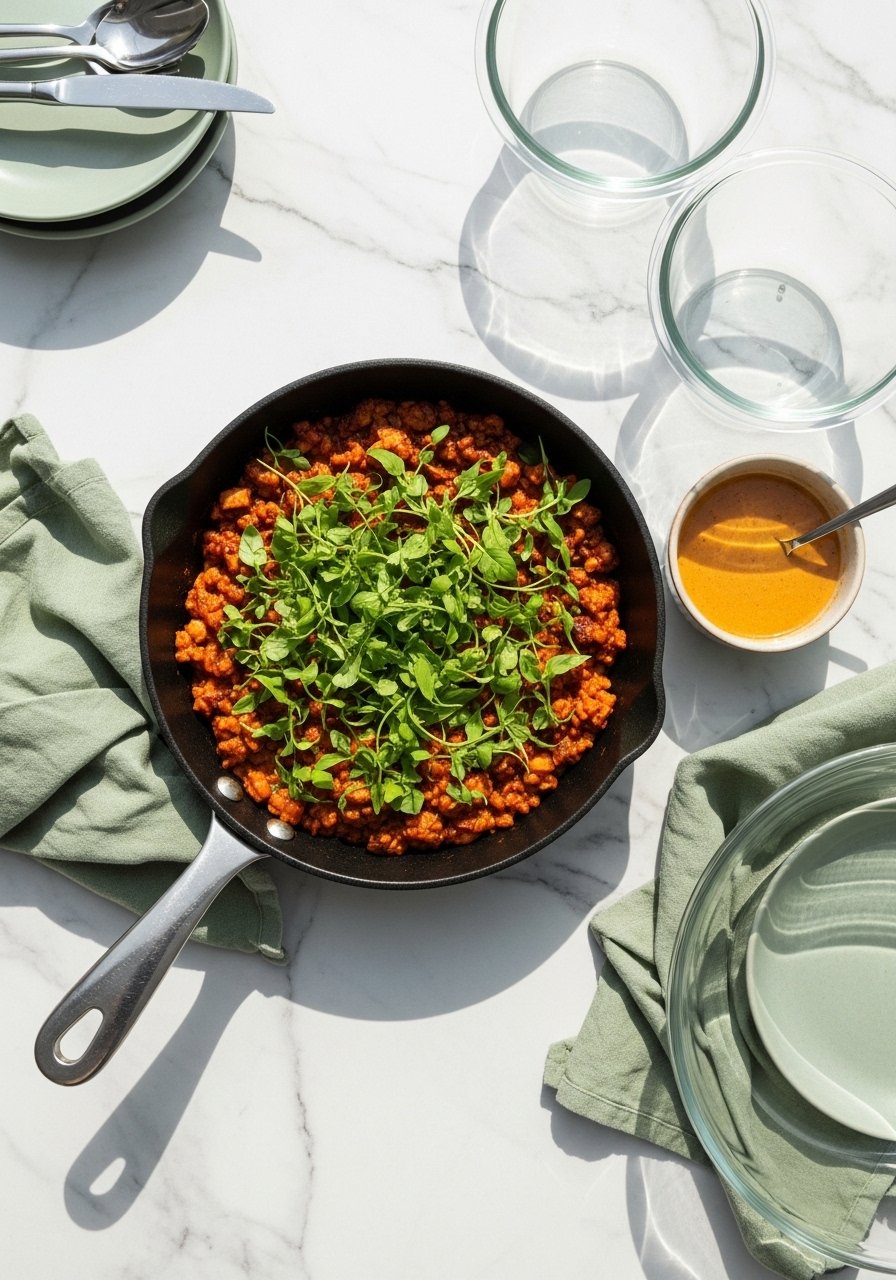
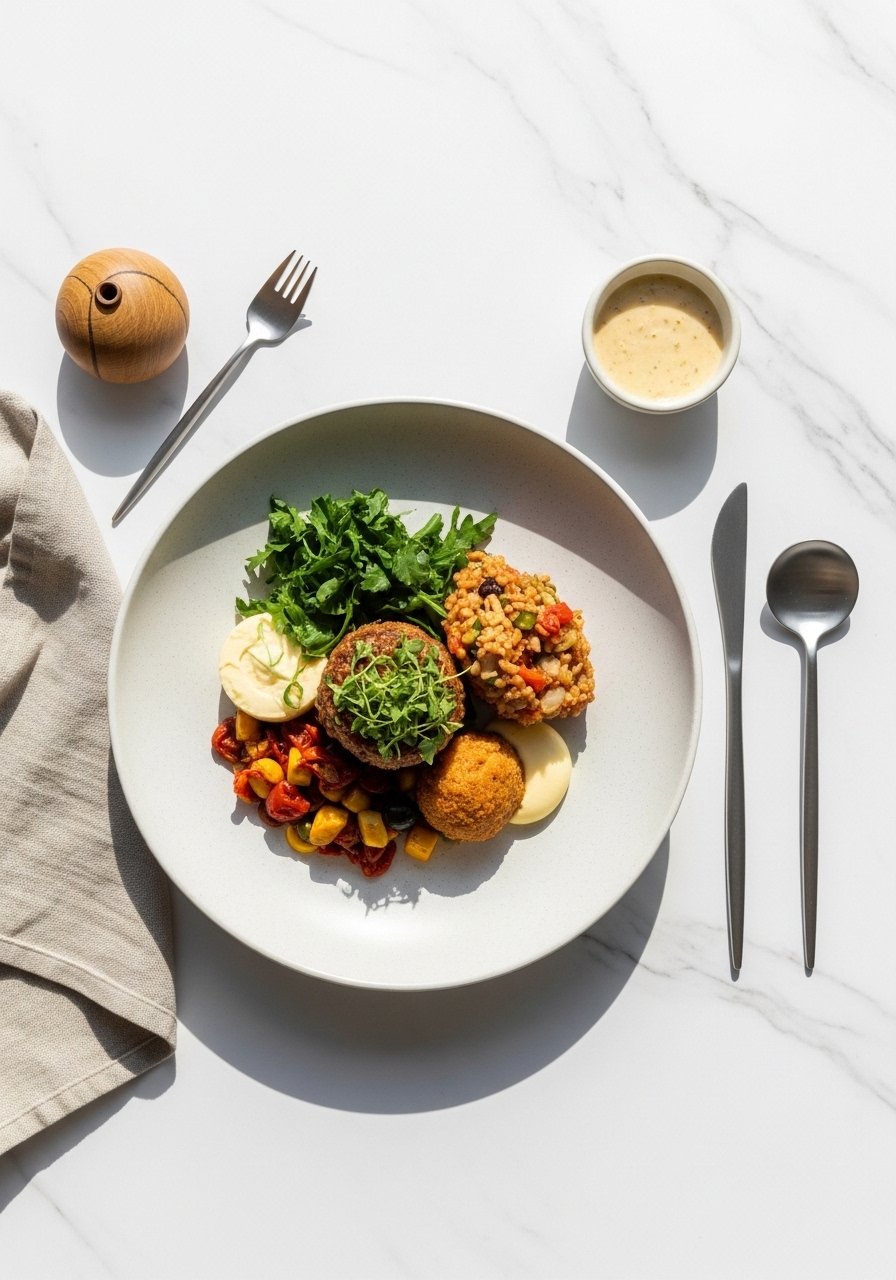
Presentation helps you feel proud, and storage keeps you cooking more often.
- Rest and plate with contrast: bright citrus, fresh herbs, or a sprinkle of smoked paprika.
- Pack meals in glass meal prep bowls to save leftovers and reduce waste.
- Use an offset spatula for neat plating and serving.
Storage notes:
- Refrigerate cooked meals within 2 hours in shallow containers.
- Reheat gently to keep texture — a quick re-sizzle in a hot pan restores crisp edges.
You can learn how to cook for beginners without feeling overwhelmed by simplifying steps, using a few reliable tools, and focusing on heat, seasoning, and doneness. Save this guide and try one small change tonight — measure with a digital kitchen scale or test with an instant-read thermometer. Which tip will you try first? Pin this guide for your next cooking session and share with a friend who wants to start cooking.
Related posts:
 How to Cook Rice Perfectly Every Single Time
 How to Boil Eggs to Any Doneness Without Guesswork
 How to Season Food Properly for Maximum Flavor
 How to Cook Chicken So It Stays Juicy and Tender
 22 Irresistible Pasta Recipes Everyone Asks You For
 29 Lazy Crockpot Meals That Cook While You Relax
 26 Easy Dinner Recipes That Save Busy Weeknights
 21 Morning-Winning Breakfast Recipes That Feel Special