
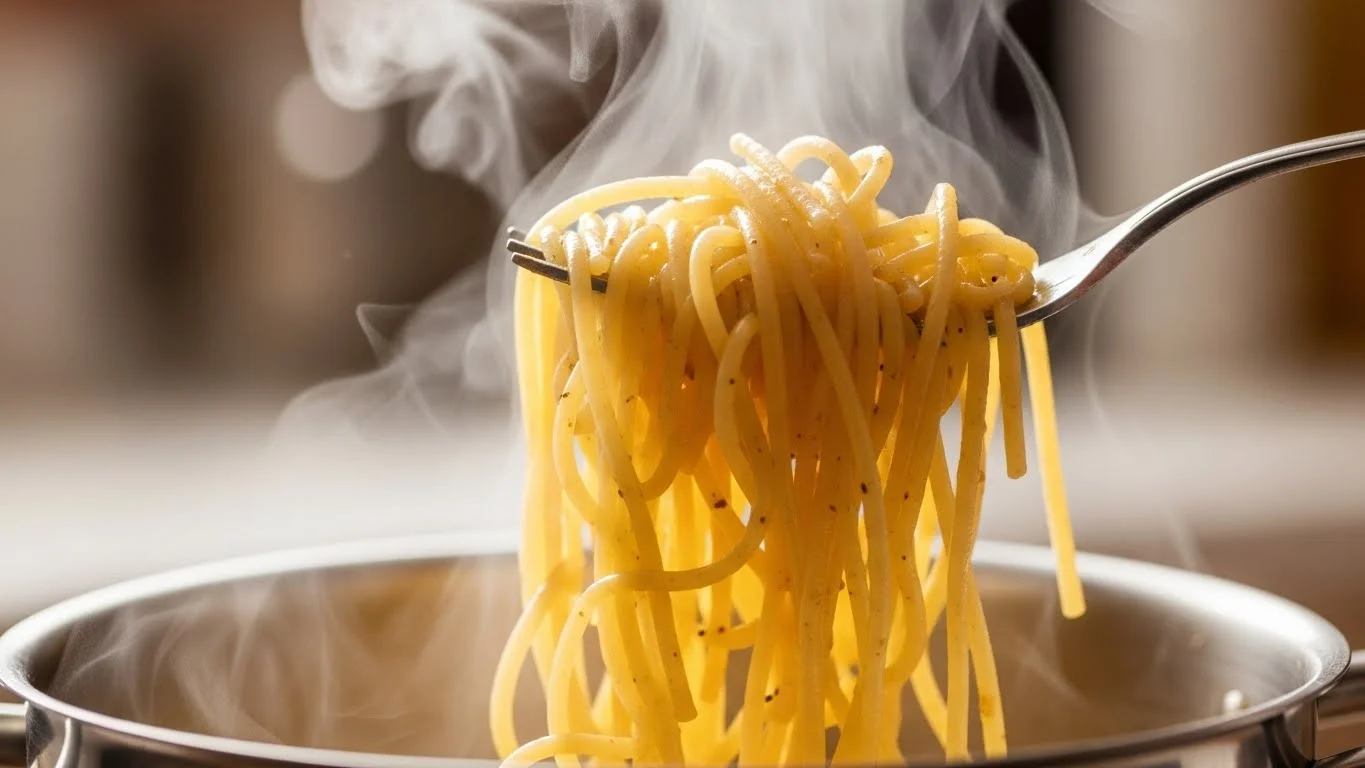
Perfect pasta isn’t complicated—but it is intentional. One extra minute in the pot or a pinch too little salt can turn those beautiful strands into a mushy tangle. The good news? Cooking pasta like a pro is completely achievable with a few simple adjustments.
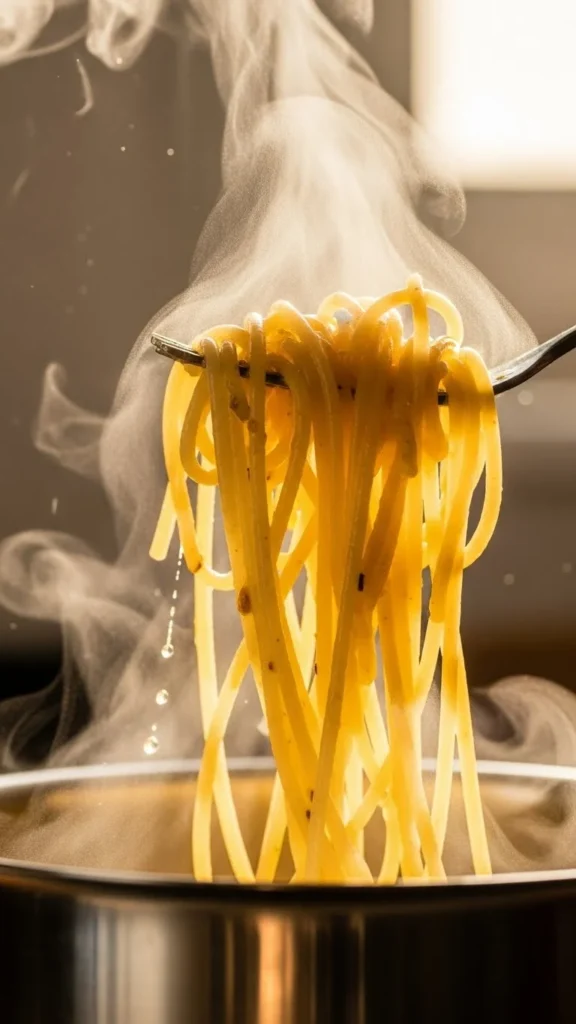
Whether you’re making a quick weeknight dinner or impressing guests, the steps below will help you get pasta that’s firm, flavorful, and restaurant-worthy—every single time.
Use Enough Water And Salt It Correctly
Most people underfill their pot, which is the first step toward mushy pasta. Pasta needs room—lots of it to move freely.
- Use at least 4–6 quarts of water per pound of pasta.
- Add 1–2 tablespoons of salt once the water boils.
- Don’t add oil to the pot (it prevents sauce from sticking later).
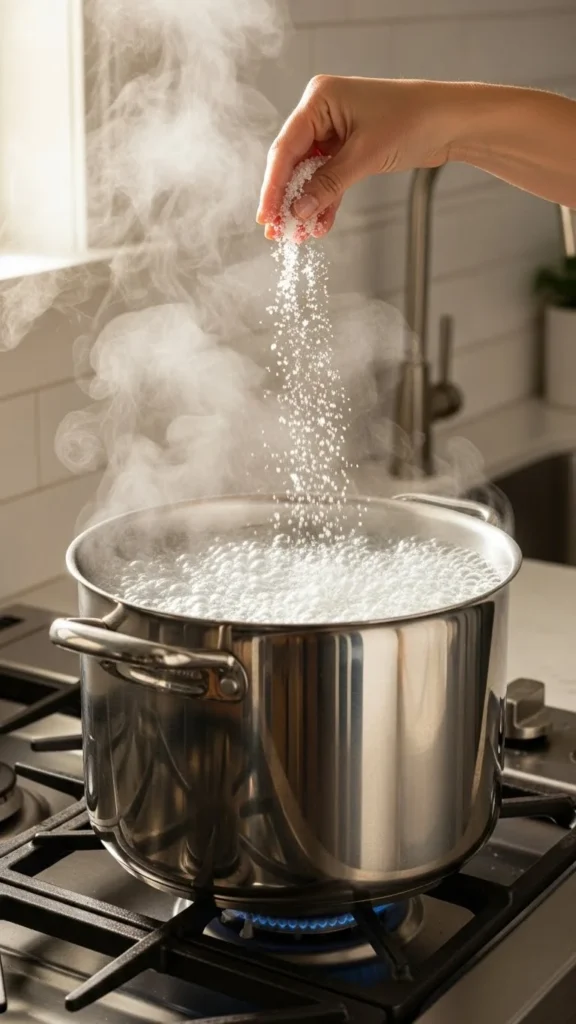
Salting the water is crucial. It seasons the pasta from the inside out and keeps you from over-saucing later.
Wait for a Rolling Boil Before Adding Pasta
If you add pasta too early—when the water is barely simmering—it sinks, clumps, and cooks unevenly.
A proper rolling boil means:
- Big, energetic bubbles
- Constant movement
- No quiet spots in the water
Once it’s bubbling vigorously, add the pasta and stir immediately to prevent sticking.
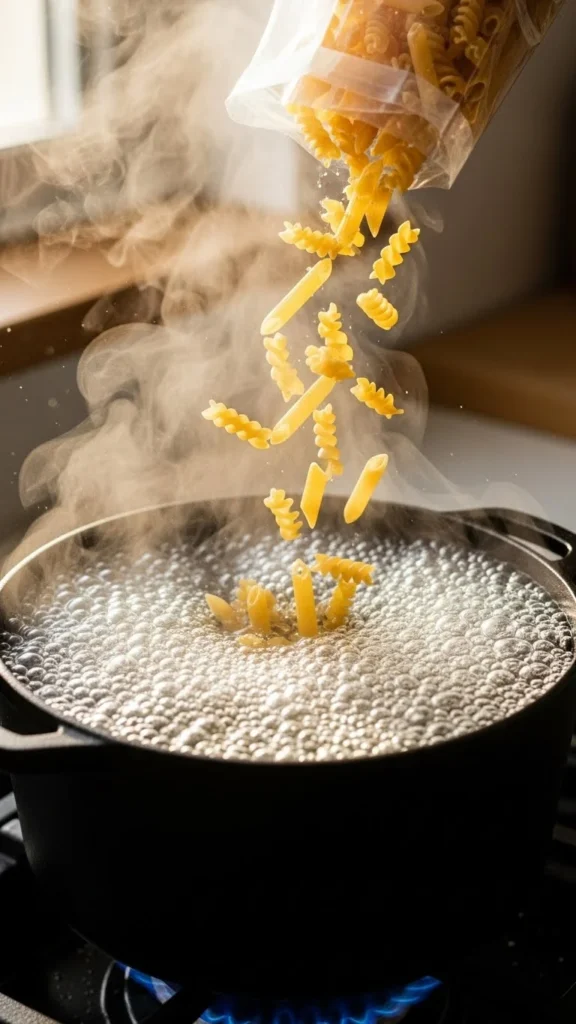
This small step makes a noticeable difference in texture.
Master the Timing And Stop Trusting the Box Exactly
Pasta boxes give you a range—like 10–12 minutes—but real pros never rely on that alone.
Here’s what to do:
- Set a timer for 2 minutes less than the lower time.
- Begin checking the pasta every 30 seconds.
- Look for that perfect al dente bite—firm but not hard.
Signs your pasta is done:
- It bends but doesn’t break.
- It has a tiny white dot (the “pasta soul”) in the center.
- It tastes cooked—but with a little spring.
Remove the pasta the moment it reaches this stage.
Don’t Drain All the Water Save Some
Professional chefs swear by pasta water because it helps sauce cling and prevents sogginess.
Before draining, scoop out ½ to 1 cup of the starchy water.
This liquid:
- Adds silkiness
- Helps thicken sauces naturally
- Helps pasta and sauce combine beautifully
Never rinse your pasta—it washes off the starch you need.
Finish Cooking in the Sauce
The biggest secret to restaurant-level pasta?
The pasta finishes cooking in the sauce, not in the water.
Here’s how:
- Drain the pasta when it’s slightly underdone.
- Add it directly into a warm pan with your sauce.
- Let everything simmer together for 1–2 minutes.
- Add pasta water as needed for a glossy finish.
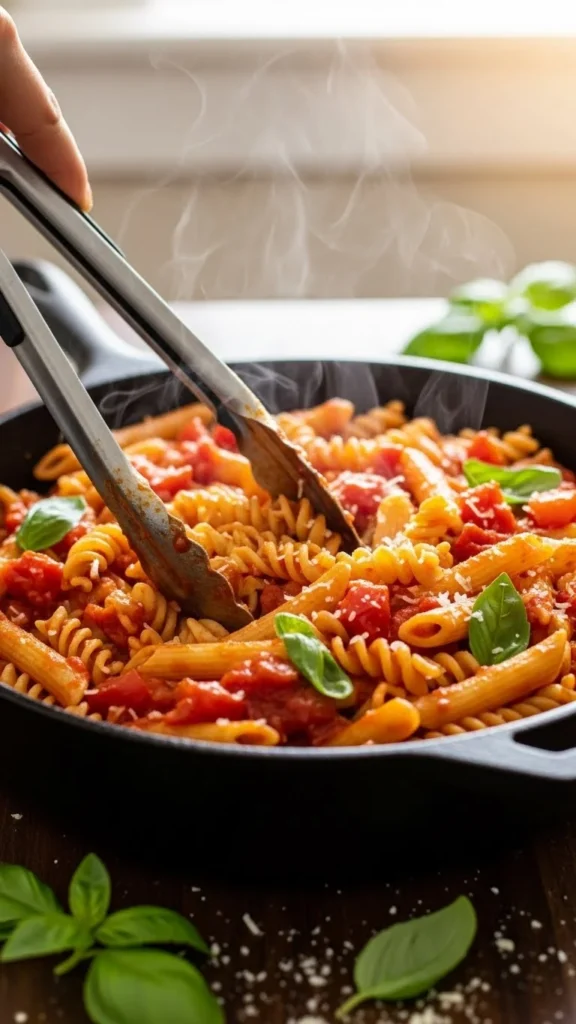
This final step infuses the pasta with flavor and prevents it from turning mushy.
Choose the Right Pasta Shape for Your Sauce
Not all pasta shapes behave the same. Matching the right shape to the right sauce helps everything cook and blend properly.
- Spaghetti & linguine → light tomato or olive-oil sauces
- Penne & rigatoni → chunky or creamy sauces
- Farfalle & fusilli → herby, textured sauces
- Orzo & small shapes → soups and salads
The better the match, the better the result (and less risk of soggy pasta).
Use the Right Tools for Best Results
A few simple tools improve your pasta game instantly:
- Large pot → prevents overcrowding
- Wooden spoon or pasta fork → easy stirring
- Fine-mesh ladle → scooping pasta water
- Skillet or sauté pan → finishing pasta in sauce
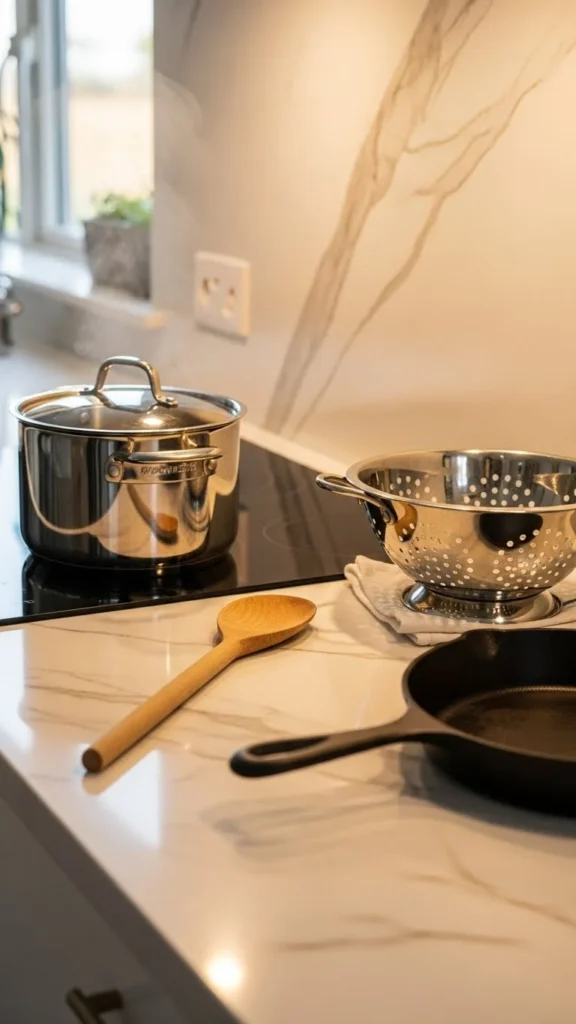
Good tools = consistent results.
Avoid These Common Mistakes
If your pasta often turns mushy, one of these might be the culprit:
- Leaving it in hot water after draining
- Using too small a pot
- Forgetting to stir early on
- Overcooking by even 1–2 minutes
- Adding too much oil to the water
- Not salting the water enough
Small habits → big texture differences.
Serve Immediately Pasta Waits for No One
Pasta cools and softens quickly. Serve it right away or toss it with a little sauce to keep it from sticking.
For meal prep, cook pasta slightly under al dente and store it separately from the sauce.
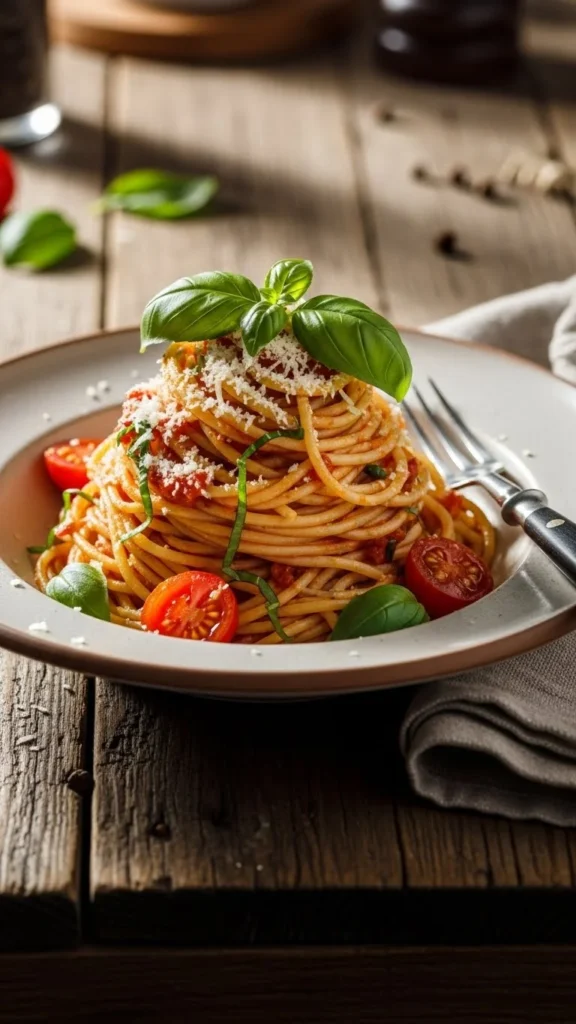
Fresh pasta served immediately always tastes best.
Final Takeaway
Cooking pasta like a pro isn’t about complicated techniques—it’s about precision, timing, and treating the pasta with a little respect. When you give it enough space, season the water, and finish it in the sauce, you get that perfect al dente texture that never turns mushy.
Save this pasta guide for later—your future dinners will thank you!

Related posts:
 How to Cook Rice Perfectly Every Single Time
 How to Season Food Properly for Maximum Flavor
 How to Cook Chicken So It Stays Juicy and Tender
 22 Irresistible Pasta Recipes Everyone Asks You For
 29 Lazy Crockpot Meals That Cook While You Relax
 26 Easy Dinner Recipes That Save Busy Weeknights
 21 Morning-Winning Breakfast Recipes That Feel Special
 23 Powerful Healthy Recipes That Don’t Taste Like Diet Food