
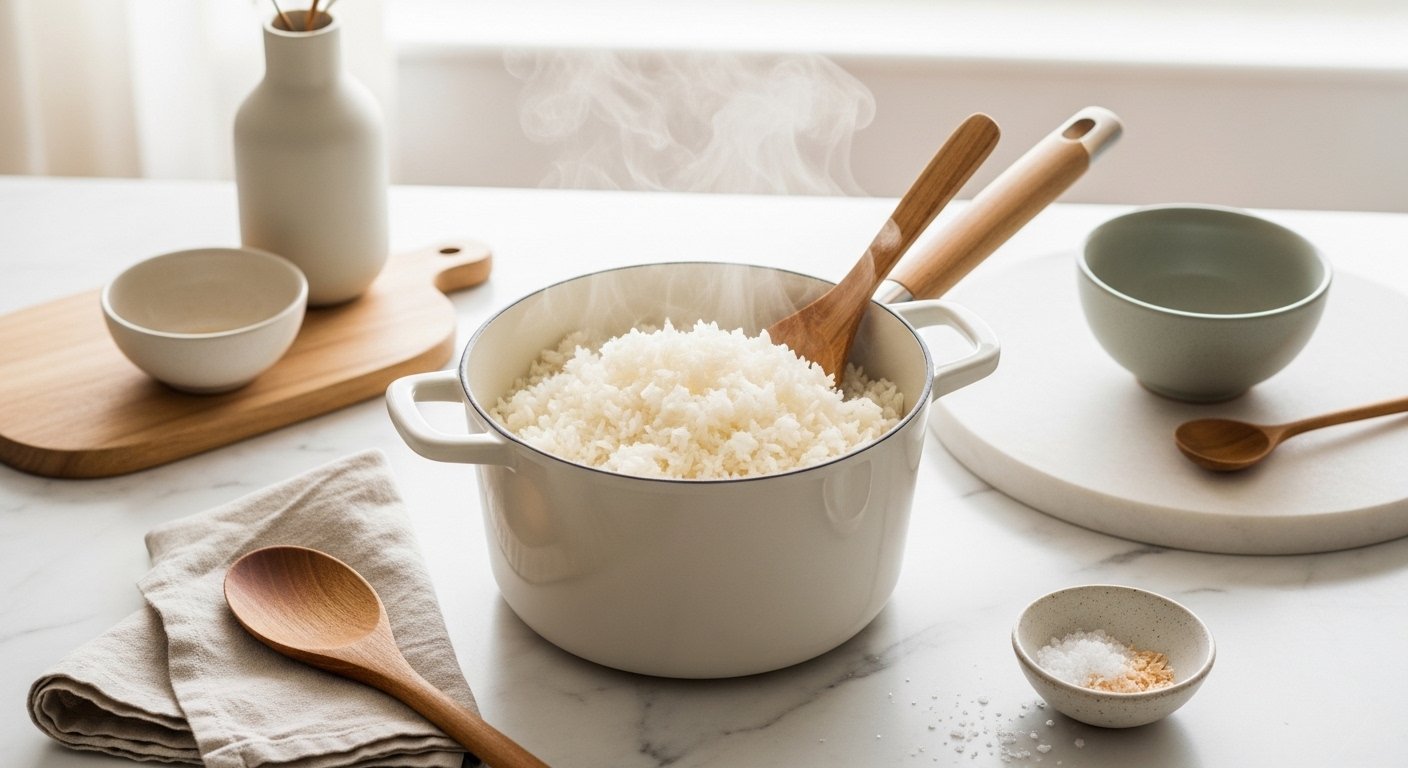
Tired of gummy, watery, or burnt rice when you don't have a rice cooker? You're not alone — many home cooks struggle to cook rice without consistent results. If you want fluffy, separate grains every time, learning how to cook rice without a rice cooker is the single most useful skill you'll add to your kitchen routine.
The secret is precise ratios, gentle simmering, and a short rest. A digital kitchen scale helps you measure accurately, and a snug-fitting heavy+bottomed+saucepan prevents hot spots that burn the bottom. Read on and you'll learn stovetop and oven methods, quick fixes for sticky rice, and storage tips so your rice stays fluffy.
What you'll learn: exact water-to-rice ratios for jasmine, basmati, and brown rice; timing and temperature cues; troubleshooting for soggy or scorched rice; and pantry upgrades like flaky sea salt and toasted sesame oil for finishing.
Preparing Your Ingredients (Rinse, Measure, and Pre-Soak)
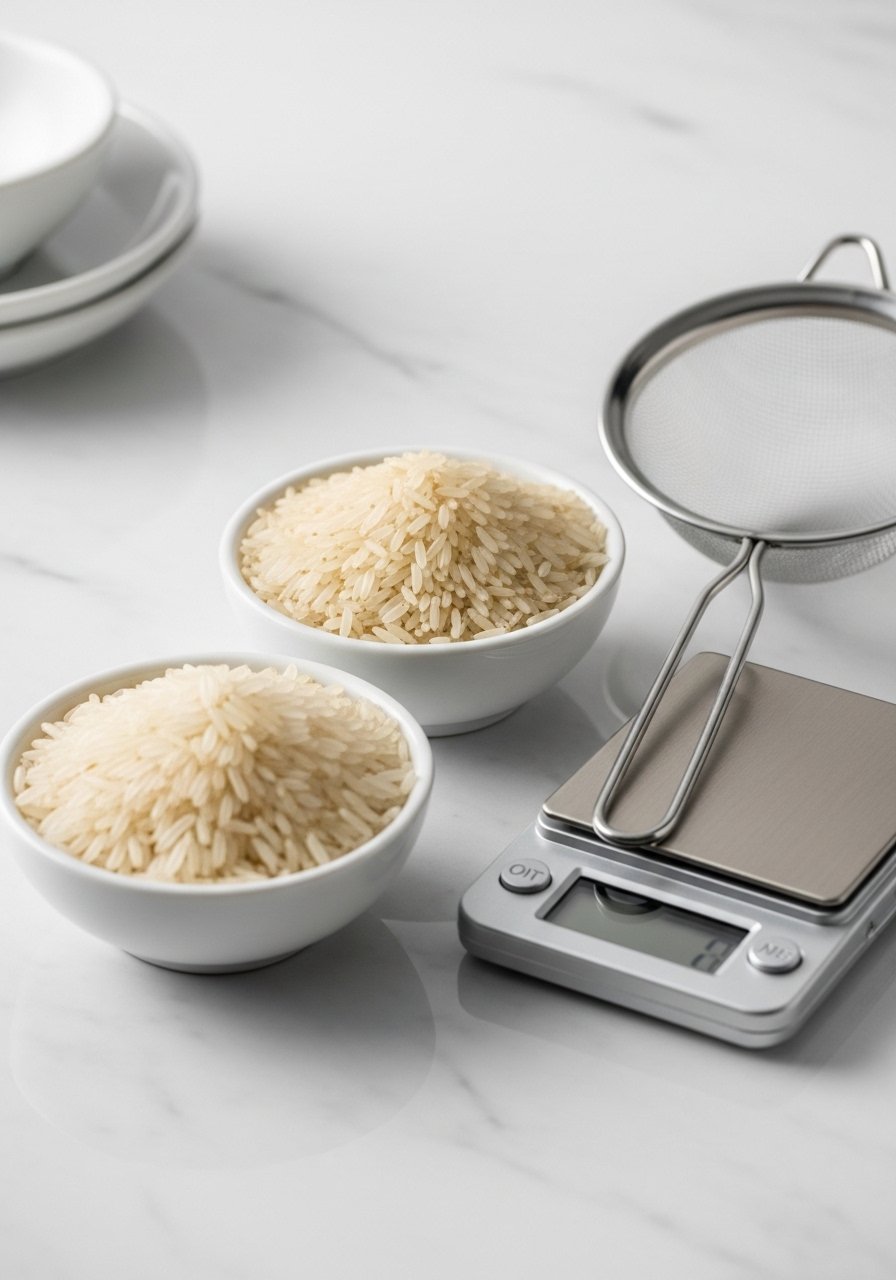
- Measure rice with a digital kitchen scale or measuring cups. For consistency use weight when you can — 1 cup (200g) dry rice is a good starting point.
- Rinse rice under cold water in a fine+mesh+sieve until the water runs clear to remove excess starch and get fluffy, separate grains.
- Optional: soak basmati for 20–30 minutes for extra-long, tender grains; skip soaking for jasmine unless desired.
Quick tips:
- Use flaky sea salt to season the cooking water for better flavor (flaky+sea+salt).
- Rinsing solves the high-frequency problem of sticky, gluey rice many readers face.
How to Cook Rice Without a Rice Cooker on the Stovetop (Absorption Method)
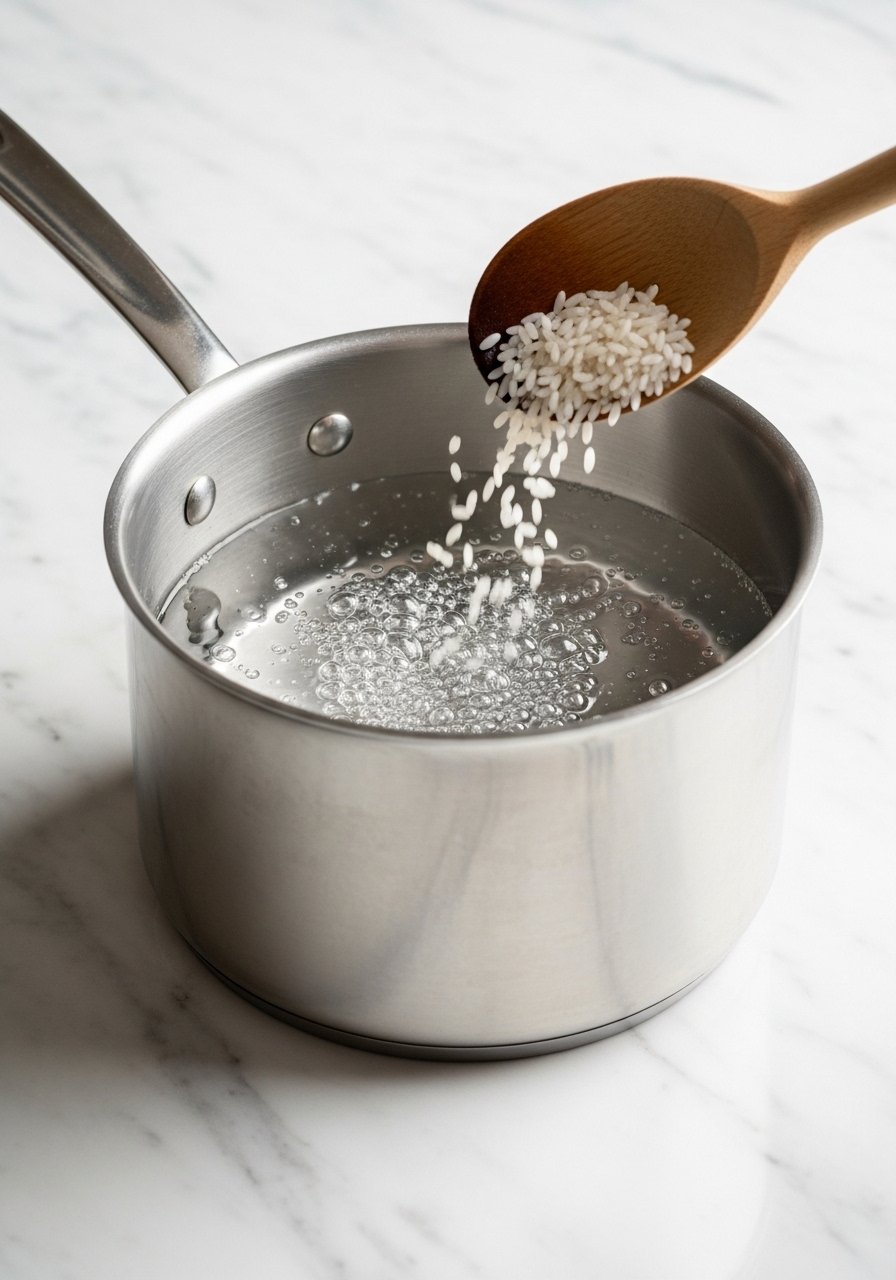
This is the classic stovetop absorption method for cooking rice without a rice cooker.
- Ratio guide (adjust for altitude or brand):
- Jasmine: 1 cup rice : 1 1/4 cups water, simmer 12–15 minutes.
- Basmati: 1 cup rice : 1 1/2 cups water, simmer 12–15 minutes after boiling.
- Brown rice: 1 cup rice : 2 cups water, simmer 40–45 minutes.
- Bring water and a pinch of salt to a rolling boil in your heavy+bottomed+saucepan.
- Add rice, stir once to distribute, return to a boil, then reduce to low heat and cover tightly.
- Set a timer (use a kitchen+timer or your phone). When time’s up, turn off heat and let rest, covered, for 10 minutes.
Pro tricks:
- If you worry about burning, use a heat diffuser or a low flame and a snug lid.
- For perfectly separate grains, fluff with a fork or a wooden+spoon after resting.
Oven-Baked Rice & One-Pot Variations (Hands-Off, Even Cooking)
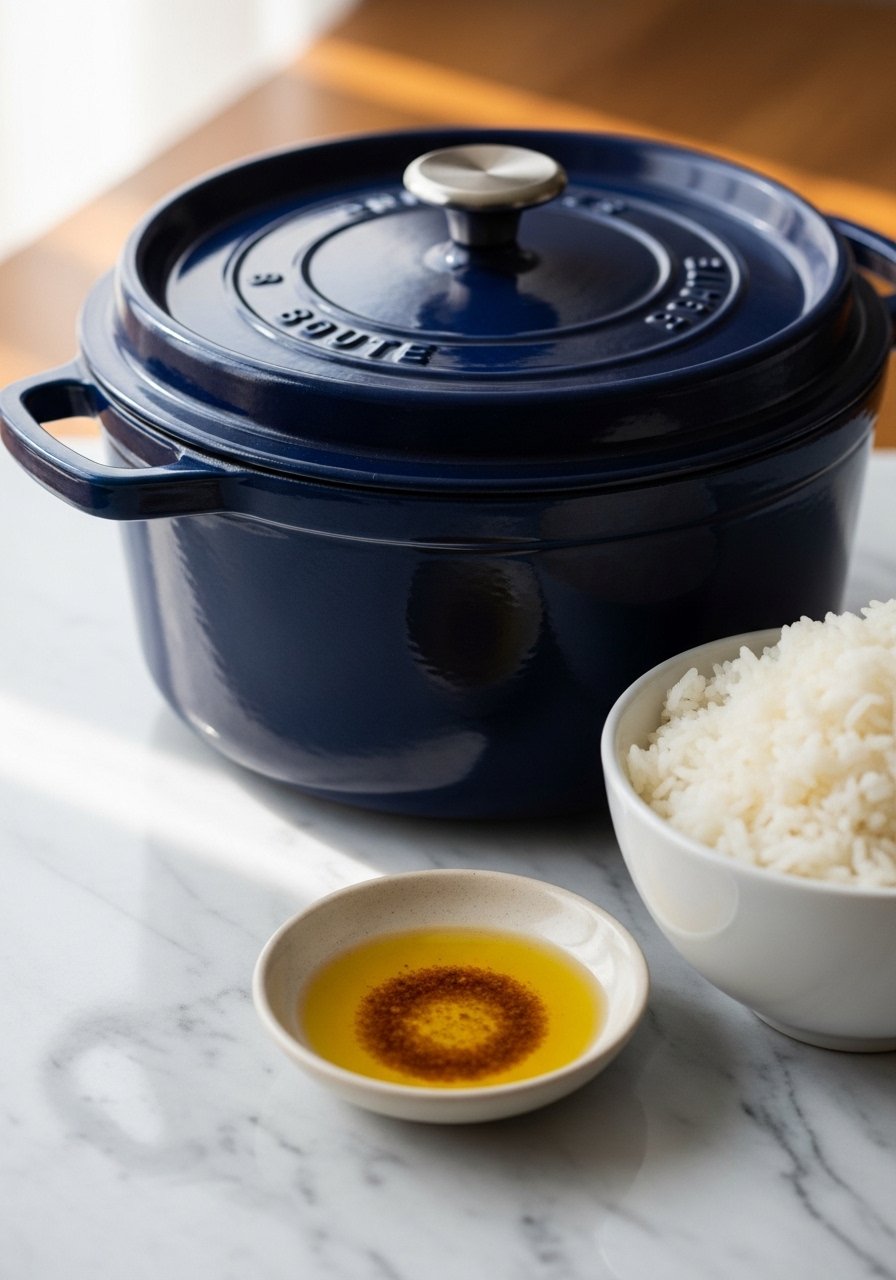
Oven-baking rice gives even heat and frees up the stovetop — great for batch cooking.
- Preheat oven to 375°F. Combine rice and boiling water at the same ratios above in a lidded oven-safe pot (Dutch oven works well).
- Cover and bake 25 minutes for white rice, 45 minutes for brown rice. Let rest 10 minutes.
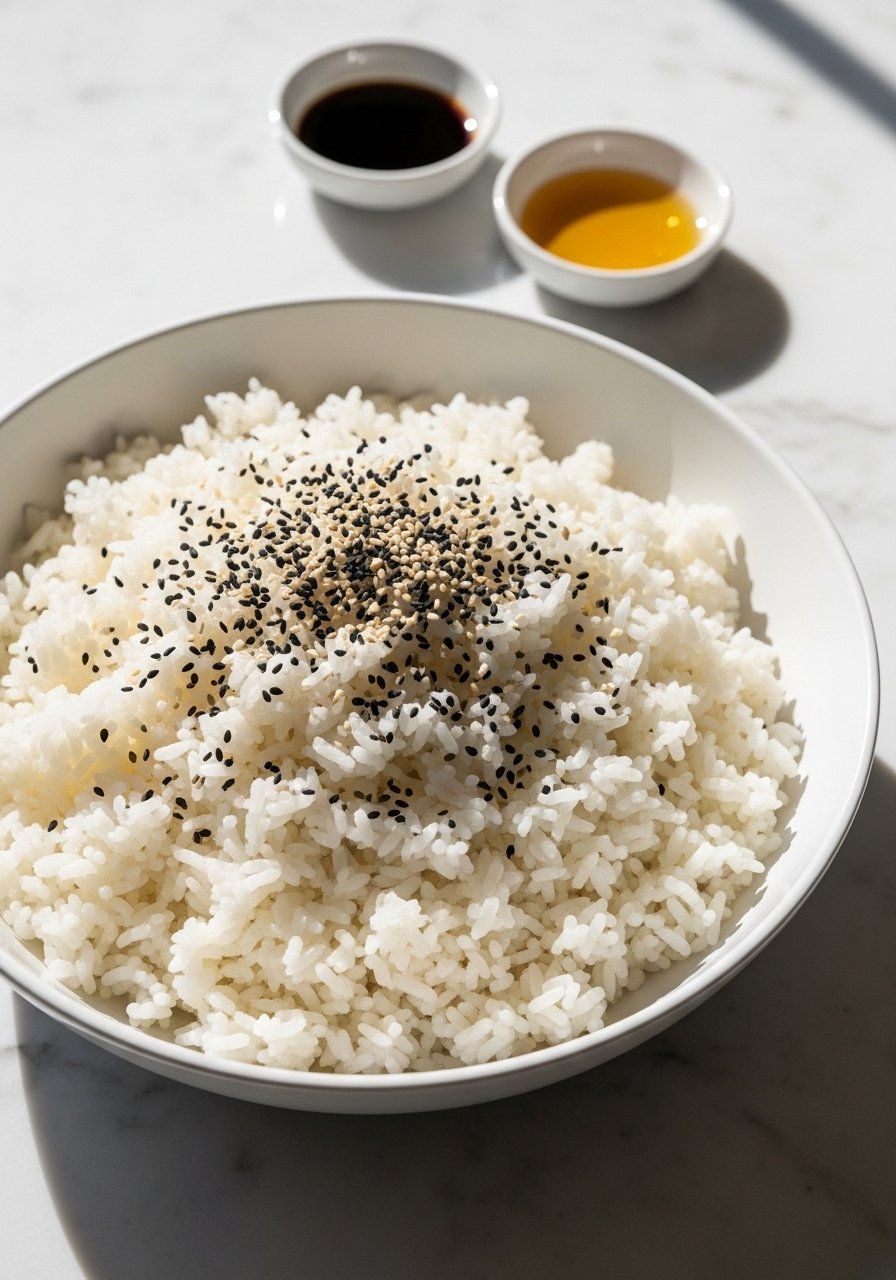
- Finish with a drizzle of toasted+sesame+oil and a sprinkle of flaky salt for aroma.
This method fills the competitor content gap by offering a simple oven option and a flavorful finish.
Troubleshooting, Storage, and Scaling (Fixes You Can Use Immediately)
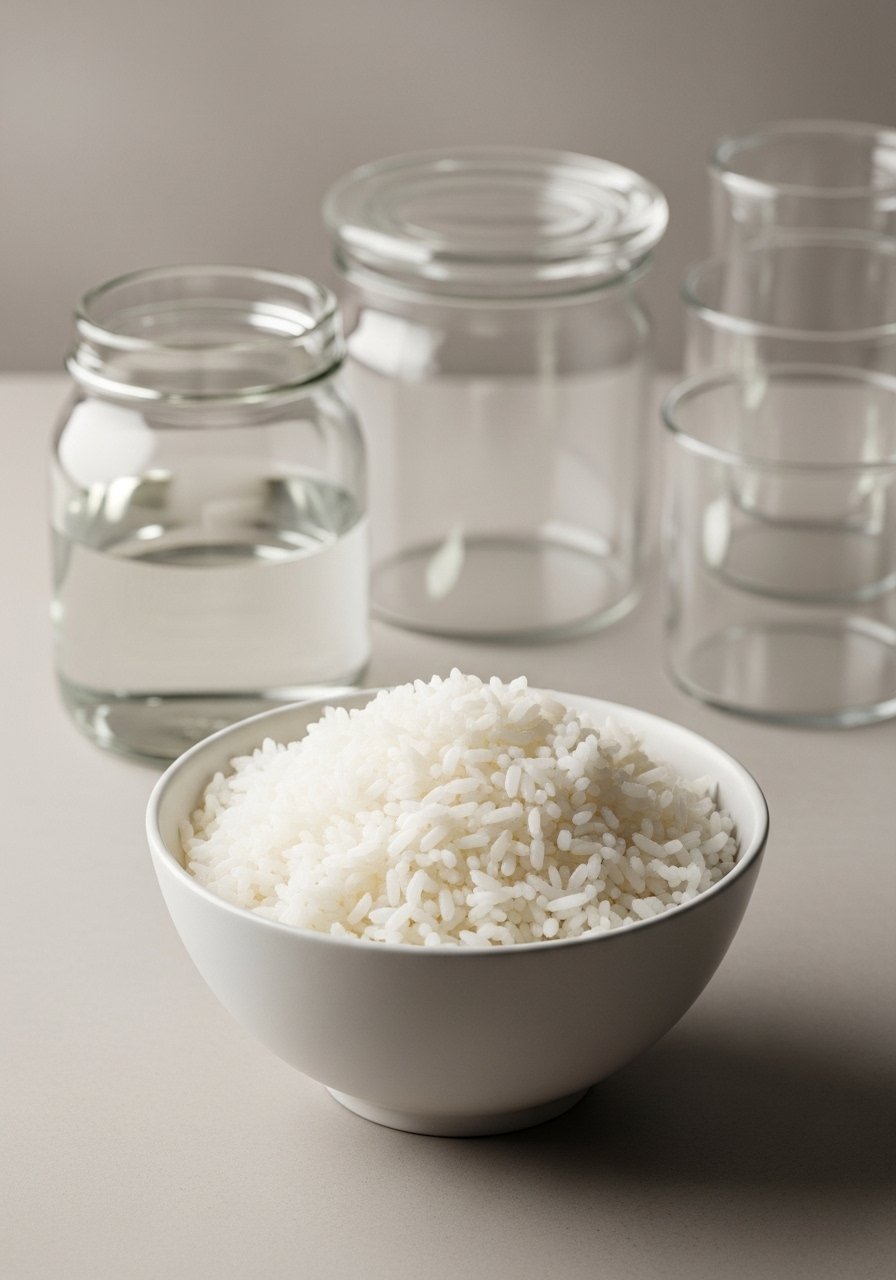
Common problems and fixes:
- Soggy rice? Try draining excess water with a fine+mesh+sieve and spread on a tray to steam off excess moisture.
- Scorched bottom? Transfer unburnt rice immediately to a clean pot; the burnt layer is often salvageable by scooping above the brown bit.
- Under-cooked? Add 2 tablespoons hot water per cup, cover, and simmer another 5 minutes.
Storage and scaling:
- Cool quickly and store in glass+storage+containers in the fridge up to 4 days or freeze in portioned bags for 3 months.
- To scale, keep the same water ratio and increase pot size; a larger pot needs more surface area but not extra water per cup.
Substitutions and variations:
- Swap white rice for sushi rice for stickier texture (sushi+rice).
- Add a splash of rice+vinegar and sesame oil for simple seasoned rice.
A unique tip most guides skip: for perfectly even steaming, place a clean kitchen towel under the lid (tuck edges) during the 10-minute rest to trap steam and keep the top dry.
Once you've practiced the water ratios and resting step, you'll consistently cook rice without a rice cooker and get fluffy, tender grains every time.
Give this a try tonight and pin the guide for later. Want a tool that really helps? A digital kitchen scale makes measuring foolproof — pick one and you'll see the difference. Which variety will you cook first: jasmine, basmati, or brown? Pin this guide and share with friends who always end up with soggy rice!

Related posts:
 9 Hands-Off Slow Cooker Recipes That Taste Homemade
 How to Use Spices Correctly to Transform Any Dish
 How to Make Simple Sauces That Upgrade Any Meal
 How to Cook Potatoes in the Most Delicious Ways
 How to Fry Food That’s Crispy Not Greasy
 How to Cook Beans From Scratch Without Them Turning Mushy
 How to Cook Lentils Perfectly for Any Recipe