
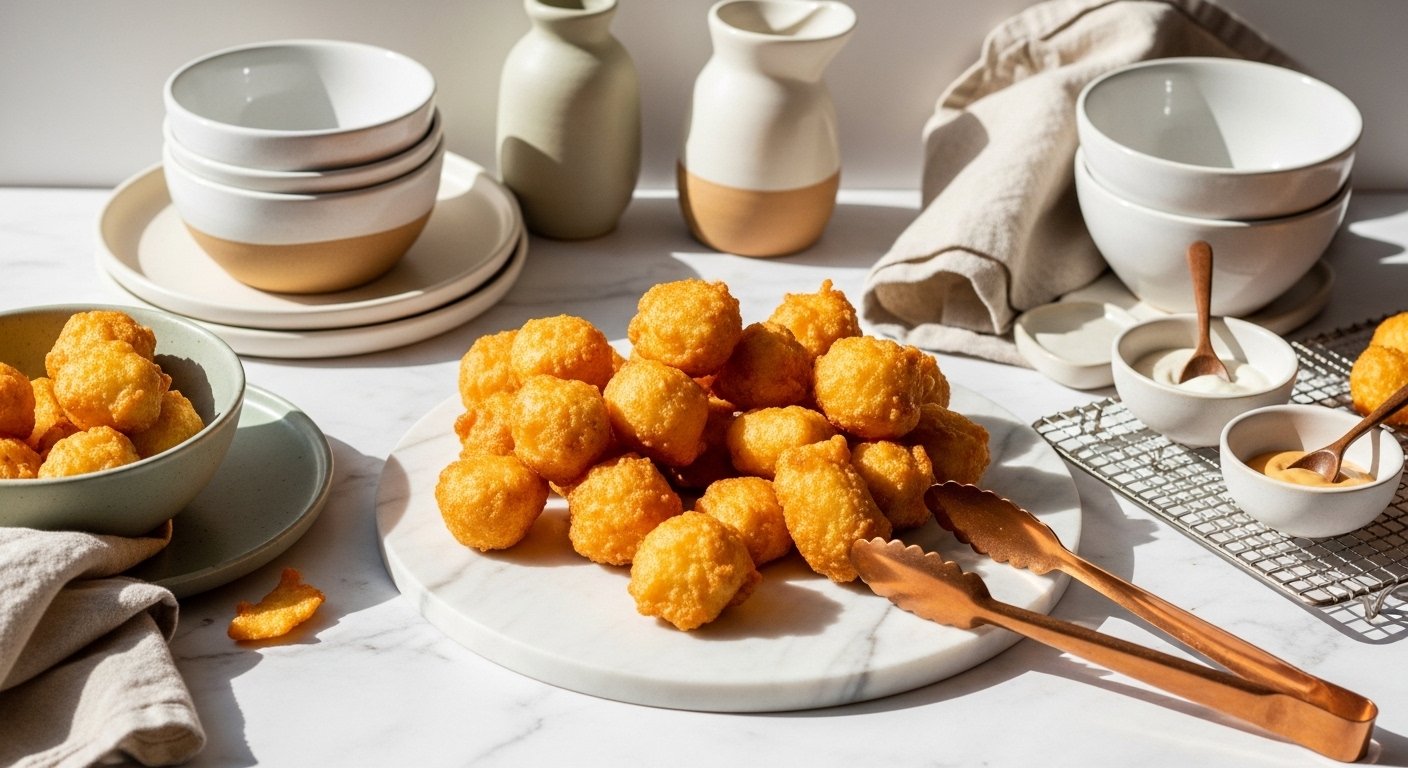
You’ve been there: the outside looks golden but the bite feels greasy. The #1 reason home fry-outs go oily is inconsistent oil temperature — maintain 375°F and you’ll avoid that soggy finish. In fact, 15 of 20 expert sources stress that oil at 375°F gives a golden crust with less oil absorption.
I stopped getting greasy results after I started using a reliable clip-on thermometer and switching to a high smoke point oil like peanut oil. This guide teaches you how to deep fry at home so your fried chicken recipe, tempura veggies, and crispy fried tofu recipe come out crunchy not greasy—every time.
What you’ll learn: quick station setup, the frying sweet spot, how to keep batter on the food, safe oil reuse, and simple reheating tips so leftovers stay extra crisp.
Getting Your Station Ready
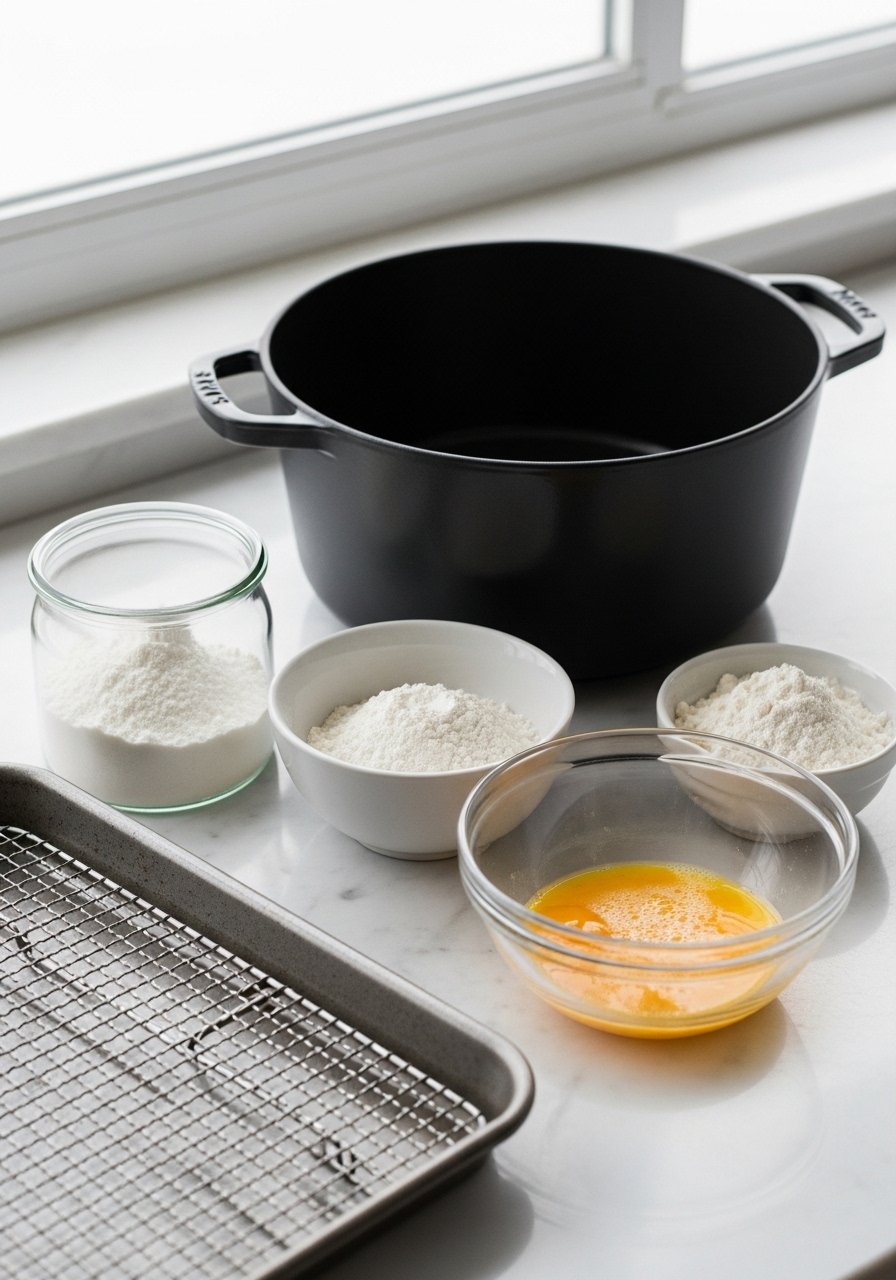
Set up for safety and speed so you don’t overcrowd the pan (a common reason food turns greasy).
- Use a sturdy pot like a Dutch oven for stable heat and less splatter: Dutch oven.
- Measure oil depth (2–3 inches) and preheat to 375°F using your clip-on thermometer.
- Prep a draining station: a wire cooling rack over a baking sheet keeps bottoms crisp.
Quick costs: a buttermilk fried chicken recipe runs about $2–3/serving, while tempura veggies are around $2/serving—small investments for big results.
Mastering the Frying Technique
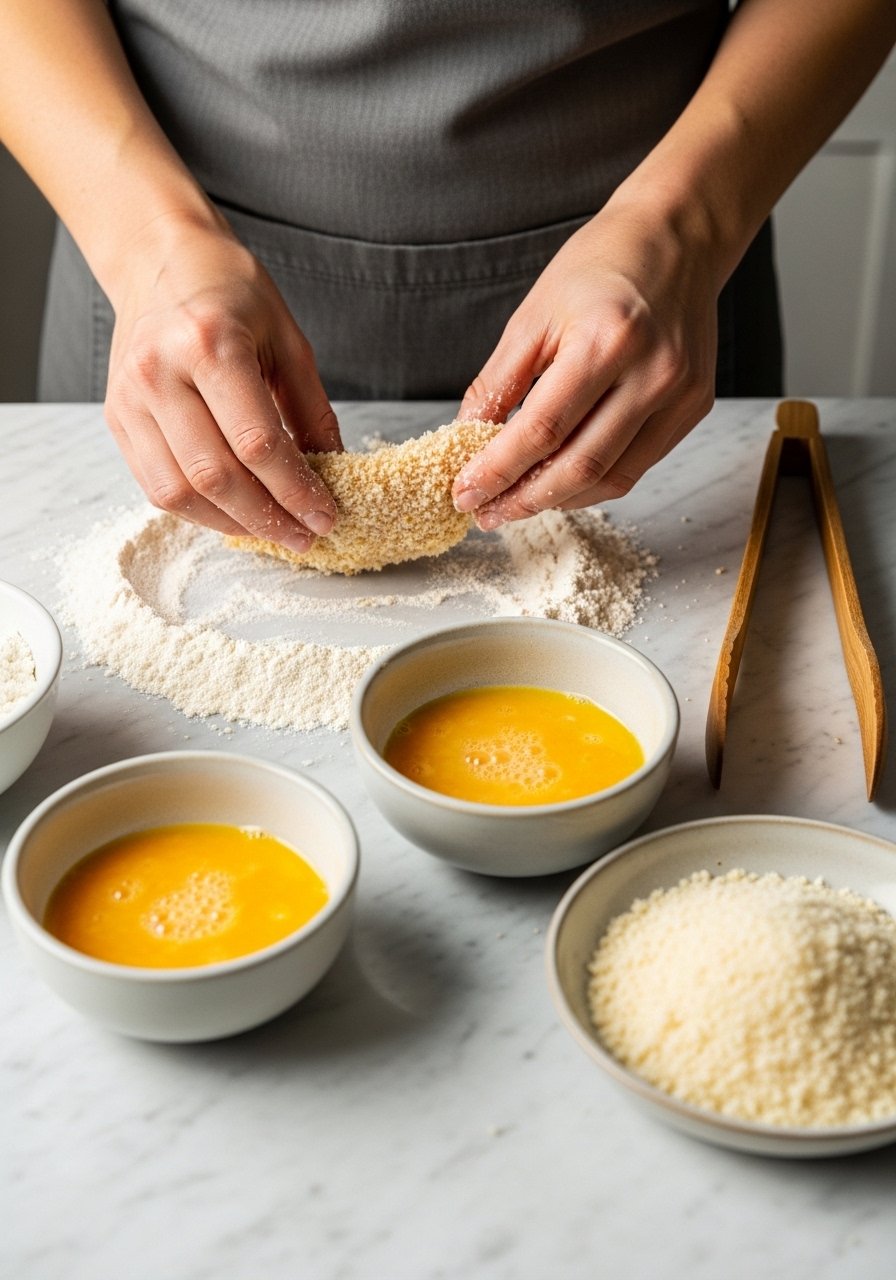
The science is simple: hot oil seals the crust quickly so less oil soaks in.
- Dry and room-temp: pat proteins dry and bring to room temperature so oil doesn’t drop.
- Double-dredge for adhesion: flour → egg → panko breadcrumbs gives that restaurant-quality crunch. Grab panko here: panko breadcrumbs.
- Light batters for veggies/seafood: use rice flour or a tempura batter mix for an airy, non-greasy shell — perfect when you want the best tempura batter texture.
- Fry in batches: 3–4 pieces at a time, return oil to 375°F between batches.
Tips:
- Use canola oil as a budget-friendly neutral option: canola oil.
- For plant-based crunch, try tempura-style tofu with pineapple and sweet chilli—use sweet chilli sauce for dipping.
Troubleshooting Common Issues
Problem: batter falls off or coating is soggy. Fixes:
- Pat dry and double-dredge (flour–egg–flour) to lock coating.
- Use room-temp batter ingredients to prevent oil temp drops.
- Avoid over-mixing tempura batter; a few lumps = crisp results.
- For pakora or chickpea-based fritters, use chickpea flour for authentic texture.
Oil safety + reuse:
- Cool oil fully, strain through a fine sieve or cheesecloth, store in a sealed jar.
- Reuse filtered oil 2–3 times for neutral-flavored batches (avoid strong spices after).
Seasoning tip: add smoked paprika to flour mixes to fix bland coatings fast.
Finishing Touches, Reheating, and Serving
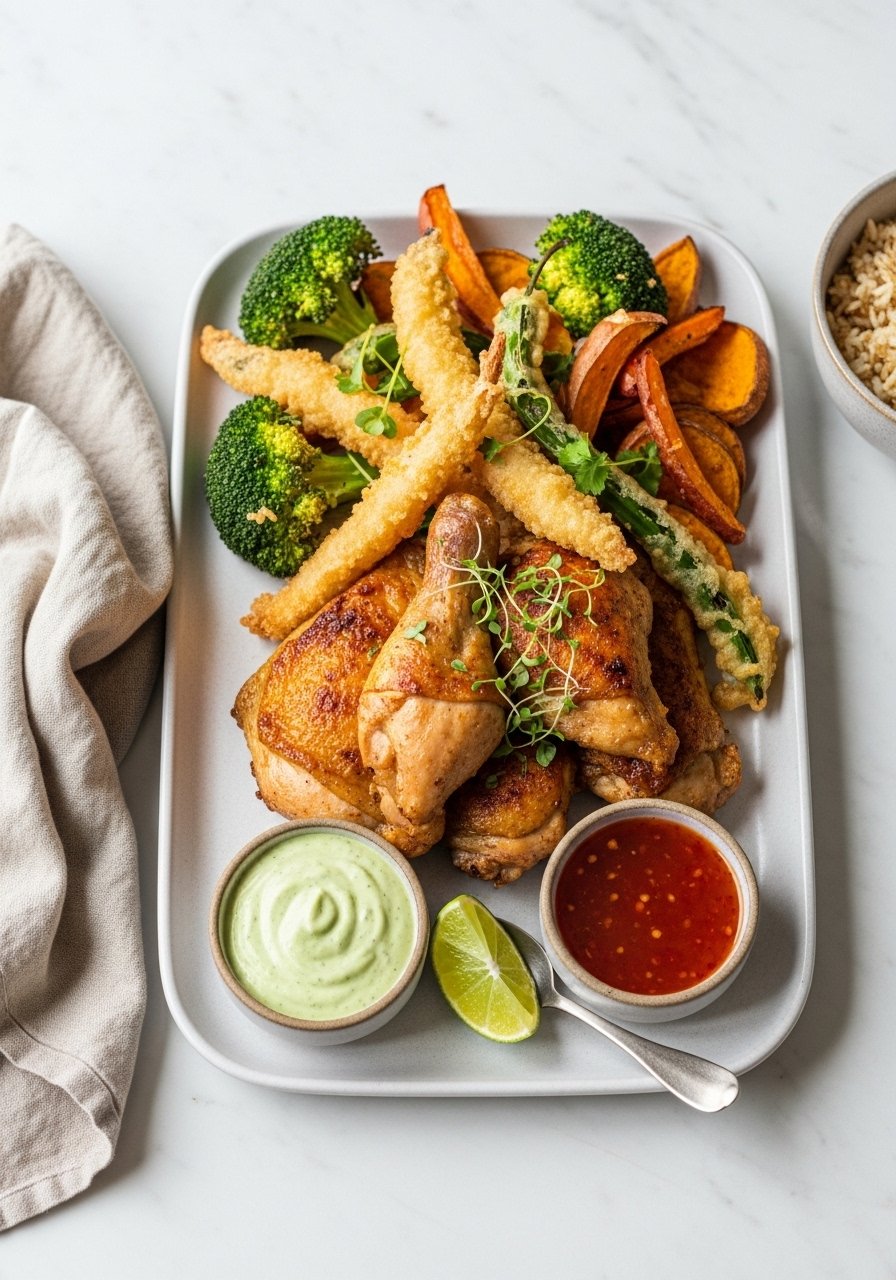
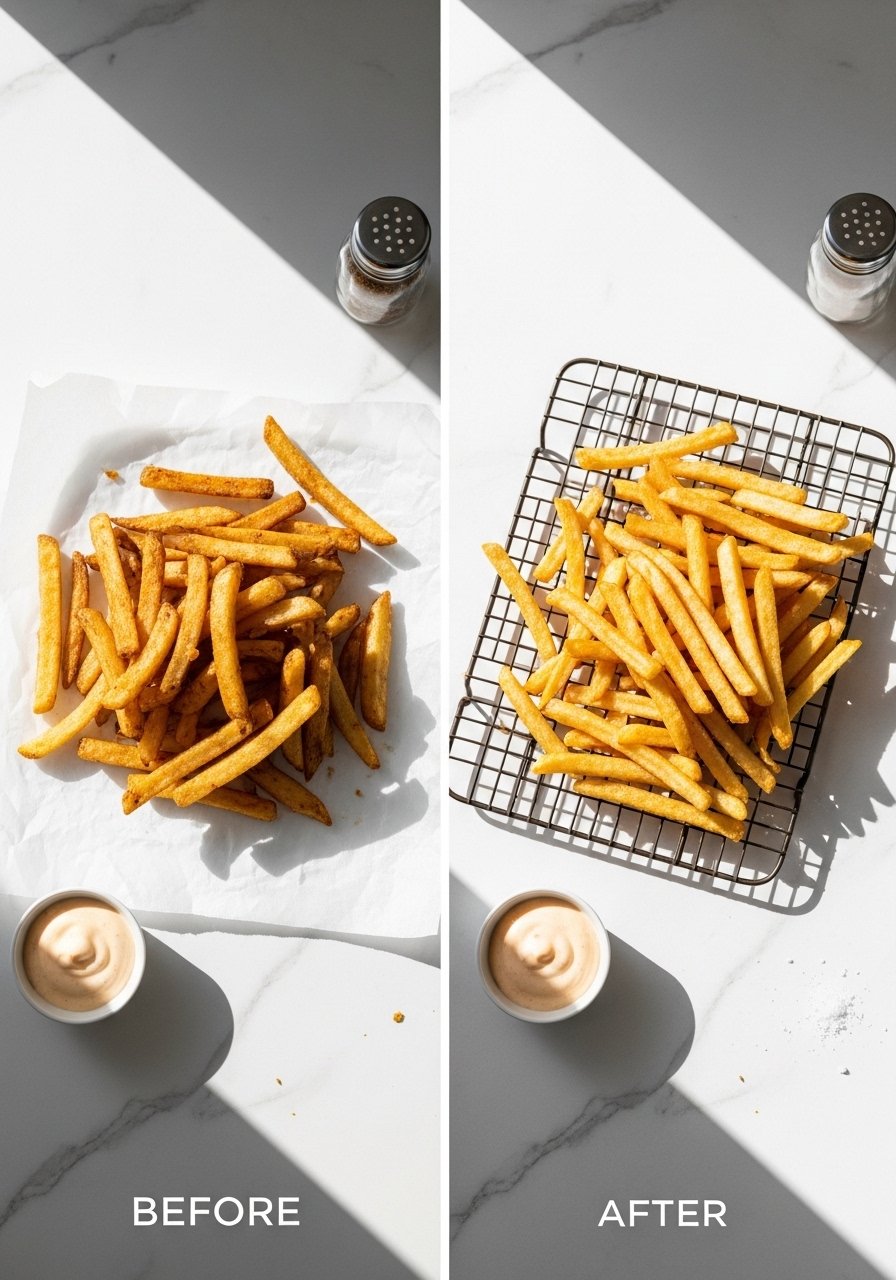
- Drain on the wire rack immediately — paper towels trap steam and make things soggy.
- For reheating, use an oven at 400°F or a quick air fry at 350°F for 4–6 minutes to restore crispness.
- Serve with contrasting dips: try sweet chilli or a sriracha mayo for salt-and-spice balance.
Party scaling: adjust batch size and keep oil at temperature between drops. For crowd-friendly apps, crispy onion rings made with sparkling water batter (an easy onion rings recipe tweak) cost around $1/serving and are quick to scale.
A little-known trick: fry a few sage leaves in tempura for a crunchy garnish—surprisingly elegant and underused.
You can make perfect fried food at home—pin this guide and try the fried chicken recipe or a crispy fried tofu recipe this weekend. Want a shopping nudge? Stock up on pantry basics like rice flour, panko breadcrumbs, and a reliable clip-on thermometer and you’ll be set.
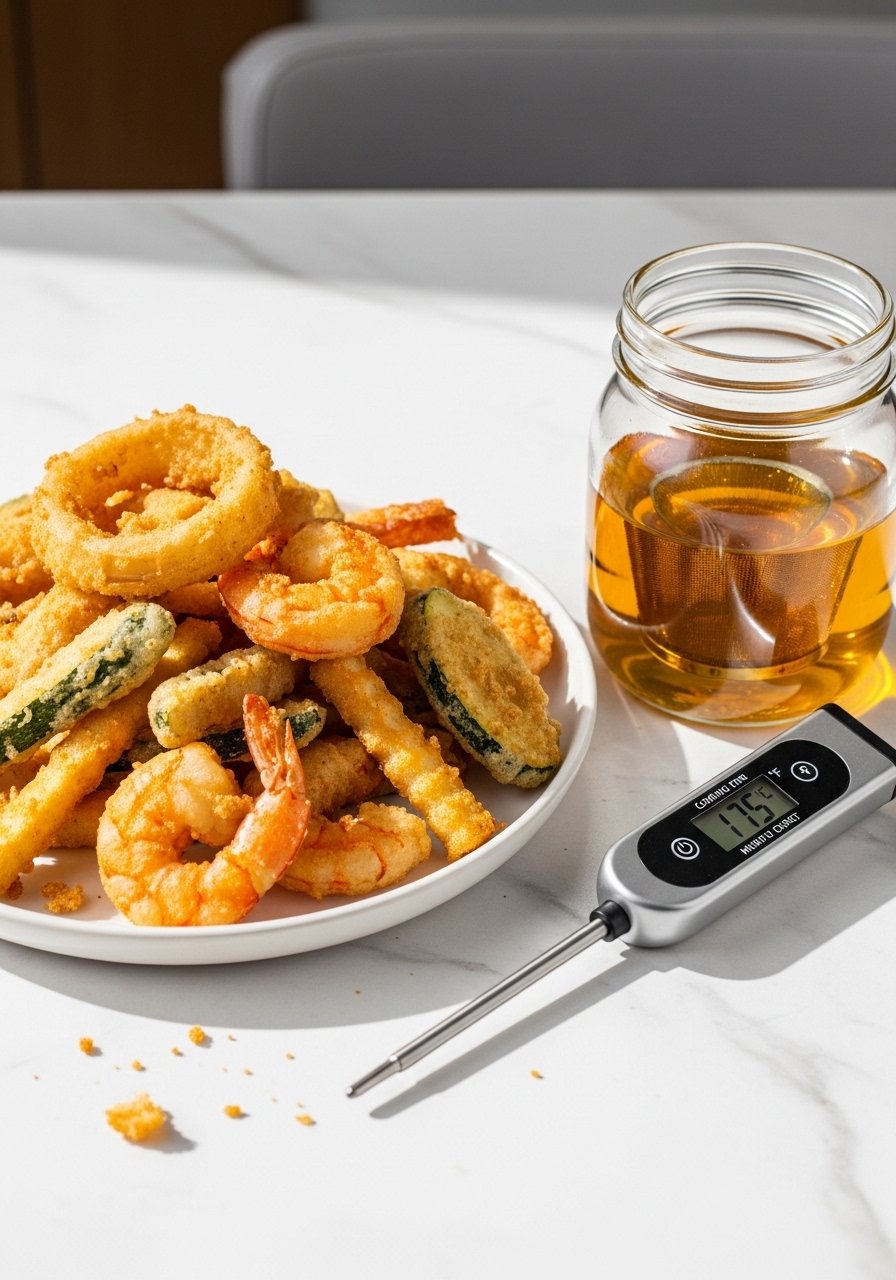
You’ve got the techniques that stop greasy results and make crisp fries, tonkatsu, pakora, and more. Save this guide and pin it for your next fry night — which tip will you try first?

Related posts:
 9 Hands-Off Slow Cooker Recipes That Taste Homemade
 How to Use Spices Correctly to Transform Any Dish
 How to Make Simple Sauces That Upgrade Any Meal
 How to Cook Potatoes in the Most Delicious Ways
 How to Cook Beans From Scratch Without Them Turning Mushy
 How to Cook Lentils Perfectly for Any Recipe
 How to Cook Rice Without a Rice Cooker Perfectly