
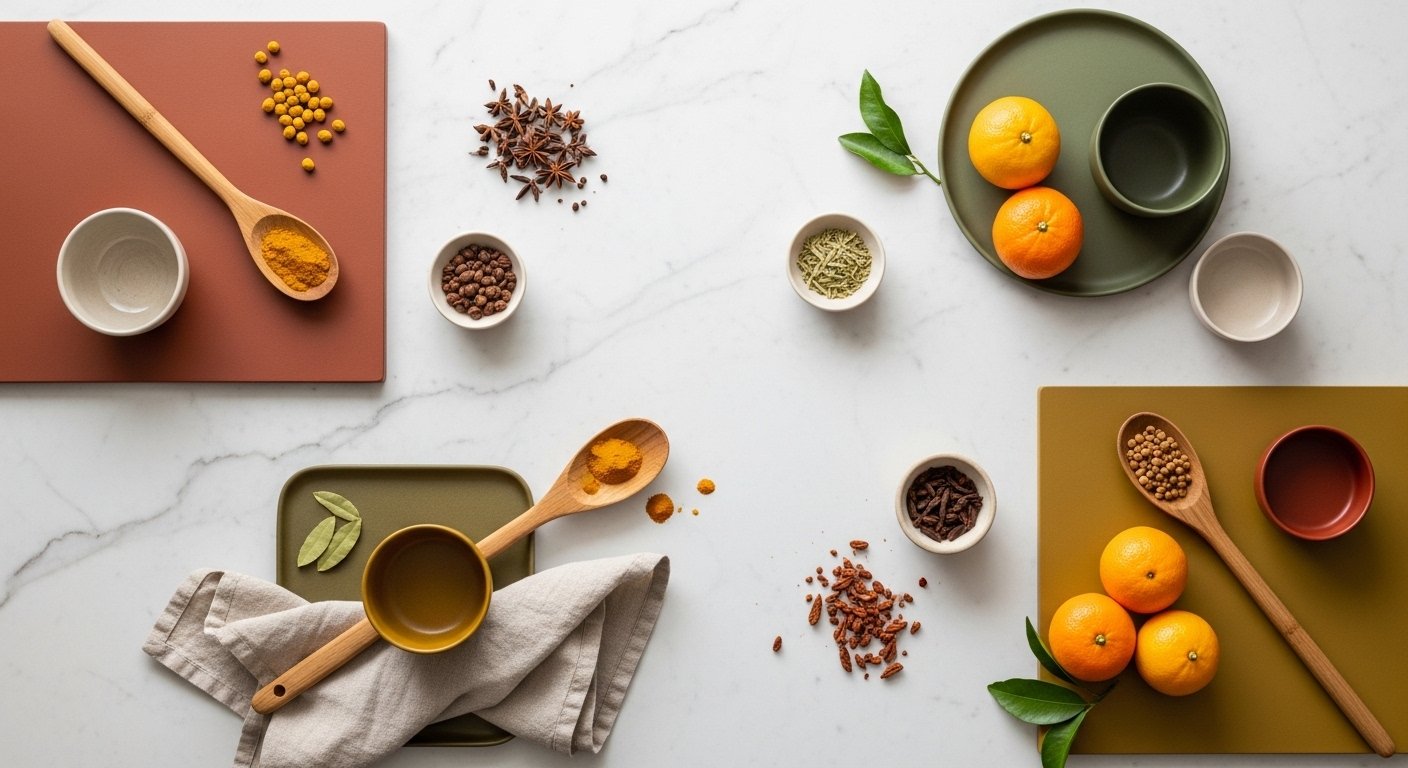
You over-salt sometimes, under-season other times, and end up wishing your meals tasted like the restaurant version. Many home cooks say seasoning is the hardest step—so here's how to use spices correctly to get reliably bold, balanced flavor every time. According to a 2024 Food Network survey, seasoning timing and technique are the top frustration for home chefs, and this guide fixes that.
The secret is a few reliable tools and a few pantry upgrades. Start with a digital kitchen scale for consistent spice ratios and a 10-inch cast iron skillet to get crispy golden edges and deep amber color on proteins.
Read on to learn exactly how to use spices correctly in prep, cooking, balancing, and storage so your next dish tastes like you spent more time in the kitchen than you actually did.
Preparing your spices for reliable results
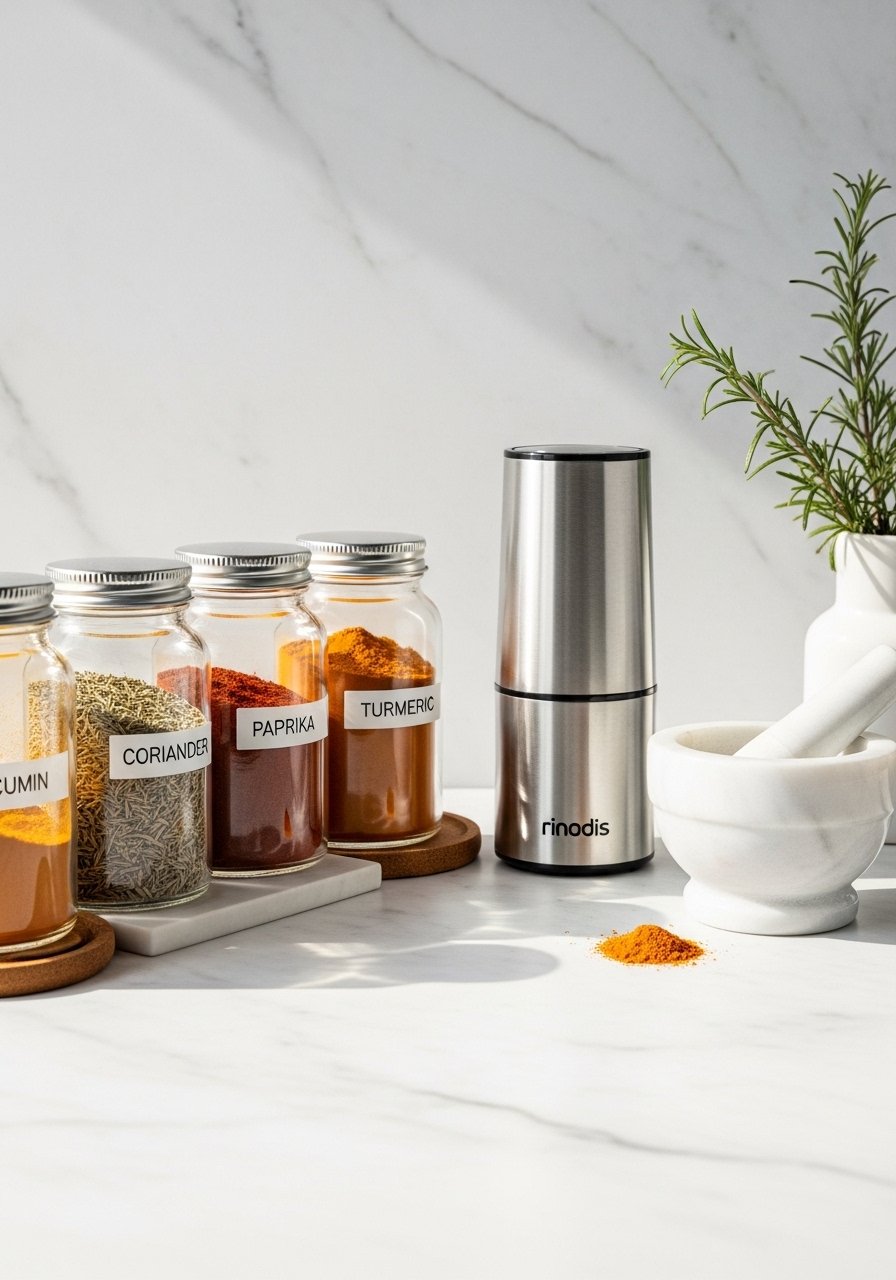
- Check freshness: whole spices last longer than ground. Grind just before use.
- Measure by weight: use your digital kitchen scale or a 1/4 tsp for tiny seeds. This makes it easy to scale recipes.
- Tools that help:
- Electric spice grinder for small batches.
- Mason jars/glass storage containers for airtight storage and labeling.
- Mortar and pestle when you want some texture.
Quick tip: keep whole cumin, coriander, and black pepper on hand—these build an earthy warm base for many cuisines.
Toasting, blooming, and when to add spices
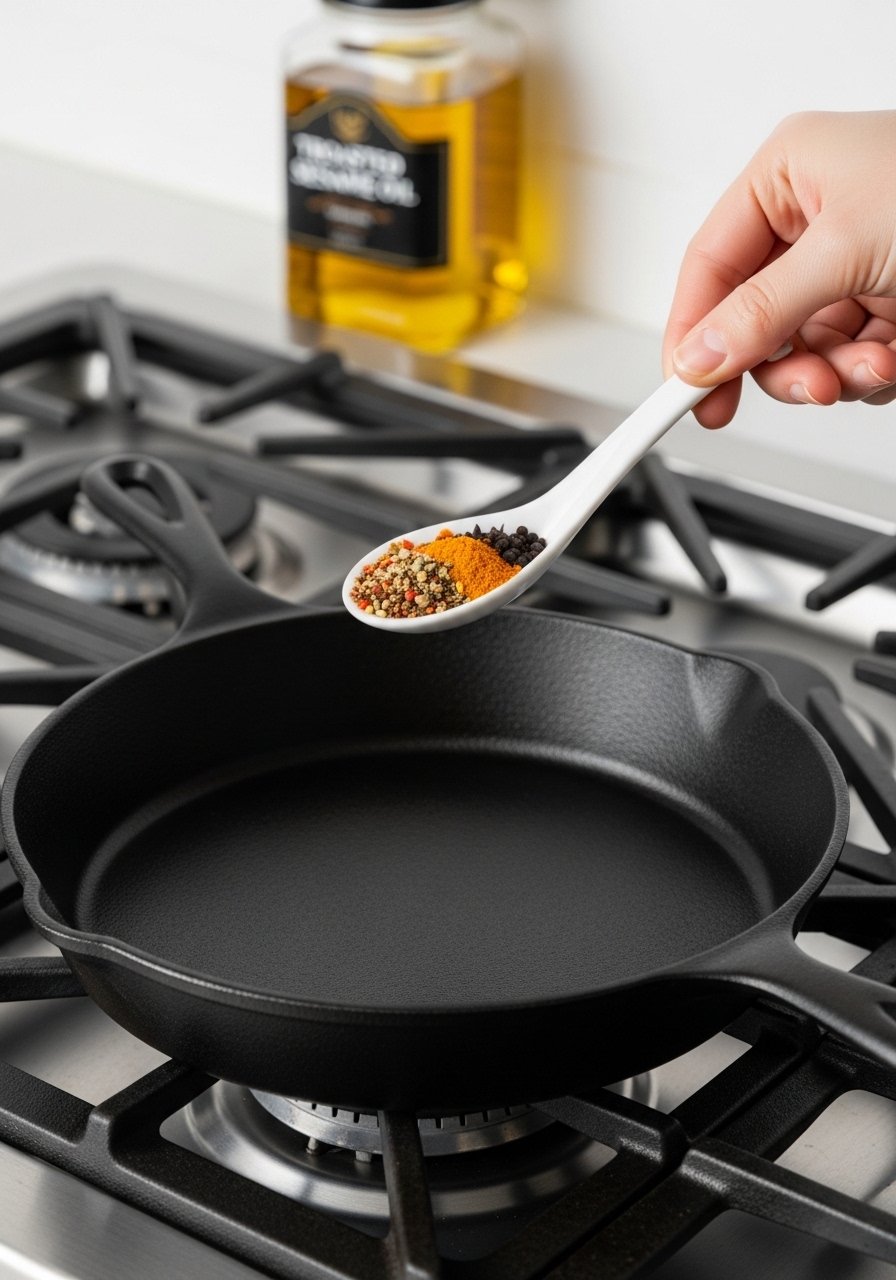
- Toast whole spices in a dry pan 30–60 seconds until fragrant for added depth.
- Bloom ground spices in fat: add spices to warm oil for 10–20 seconds before adding aromatics. This releases oils and improves color and aroma.
- Searing proteins: if you're searing, preheat a 10-inch cast iron skillet until very hot; add oil, then seasoned meat. For chicken, cook to 165°F internal temp for safety.
- Use these spices depending on outcome:
- For smoky notes: smoked paprika
- For warm, layered warmth: garam masala
- For a nutty finish: a drizzle of toasted sesame oil right at the end
Warning: add delicate herbs (cilantro, basil) at the end to keep bright color and flavor.
Balance salt, acid, heat, and sweet
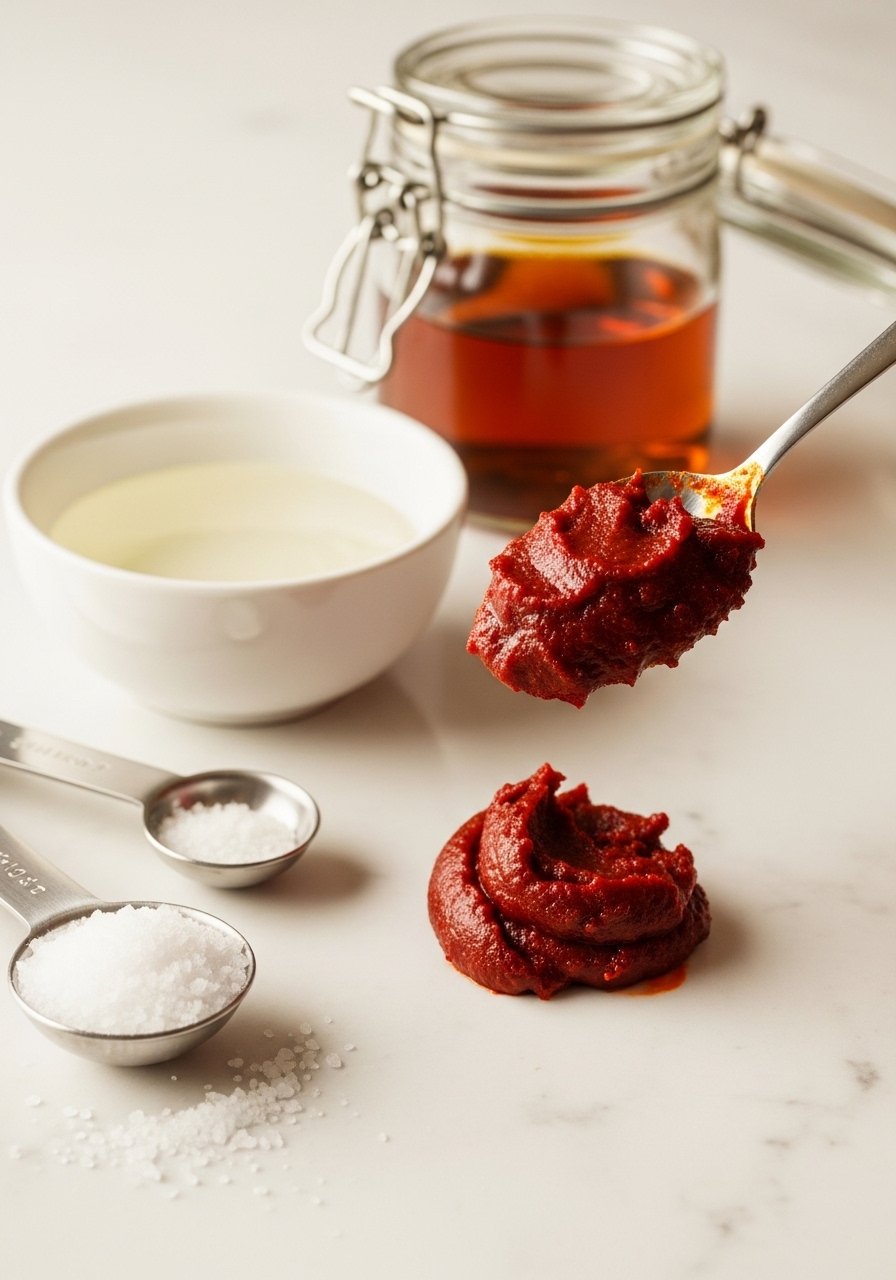
- Salt first but taste as you go: start with a light sprinkle, then adjust.
- Acid brightens: add 1–2 teaspoons of rice vinegar or citrus to lift a heavy dish. Try rice vinegar or fresh lemon.
- Umami boosters: a dash of fish sauce or a spoon of gochujang paste adds depth without extra salt.
- Heat control: add chili early for background heat; add more at the end for a bright spicy kick.
- Quick balancing checklist:
- Too flat → add acid and salt
- Too harsh → add a touch of sweet (honey, maple) or fat
- Too salty → add potato slices or a splash of vinegar and dilute with stock
Substitutions: no fish sauce? Use a splash of soy plus a drop of anchovy paste. No rice vinegar? Use mild cider vinegar.
Finishing touches, storage, and scaling
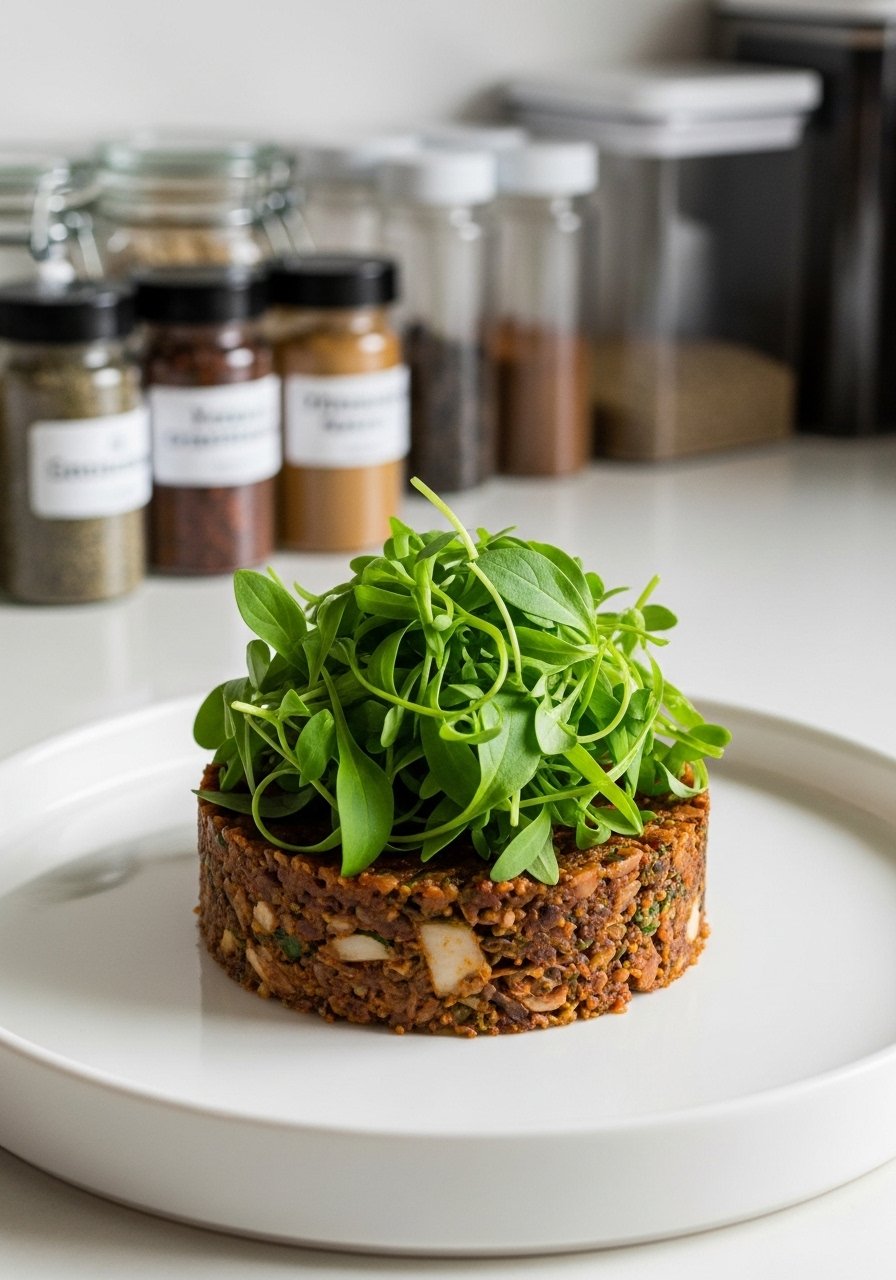
- Finish with texture: toasted seeds, fresh herbs, or citrus zest right before serving.
- Store spices in airtight spice jars away from heat for 6–12 months (ground) or up to 2 years (whole).
- Scale confidently: measure by weight with your digital kitchen scale and keep a note of your favorite ratios.
- Troubleshooting tool: an instant-read thermometer makes doneness predictable—no guesswork.
Try one small change at a time: toast a spice, add a splash of acid, or finish with an oil. These minor shifts are how to use spices correctly so every dish tastes balanced and intentional.
You just learned how to use spices correctly at four key moments: prep, bloom, balance, and finish. Pin this guide for your next cook night and start by toasting a small batch of cumin and coriander—notice the aroma difference immediately. Which spice will you toast first? Save this and share it with a friend who wants bolder weeknight dinners.

Related posts:
 9 Hands-Off Slow Cooker Recipes That Taste Homemade
 How to Make Simple Sauces That Upgrade Any Meal
 How to Cook Potatoes in the Most Delicious Ways
 How to Fry Food That’s Crispy Not Greasy
 How to Cook Beans From Scratch Without Them Turning Mushy
 How to Cook Lentils Perfectly for Any Recipe
 How to Cook Rice Without a Rice Cooker Perfectly