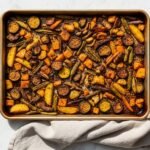
You know the problem: your vegetables end up bland, soggy, or ignored. That’s the number-one complaint home cooks have — and it’s fixable. Older nutrient studies also note steaming keeps more vitamins than boiling, so you can have flavor and nutrition. In this guide you’ll learn how to roast vegetables and cook greens so they’re crisp, bright, and truly craveable.
The secret? A hot pan and a few pantry upgrades. I use a half-sheet sheet pan for even roasting and a trusty 10-inch cast iron skillet for blistering. Read on for step-by-step temps, times, and simple product picks that make the techniques repeatable.
How to Get Crispy Edges Every Time (High-Heat Roasting & Blistering)
High heat creates those addictive crispy edges. For roasted vegetables like Brussels sprouts, cauliflower, and beets:
- Preheat oven to 400°F for mixed roots or 450°F for cauliflower. Toss 1 lb veggies with 1–2 tbsp olive oil and 1 tsp kosher salt.
- Spread in a single layer on a sheet pan — don’t overcrowd.
- Roast cauliflower 20–25 minutes at 450°F until golden and tender; Brussels at 400°F for 20–30 minutes, shaking the pan halfway.
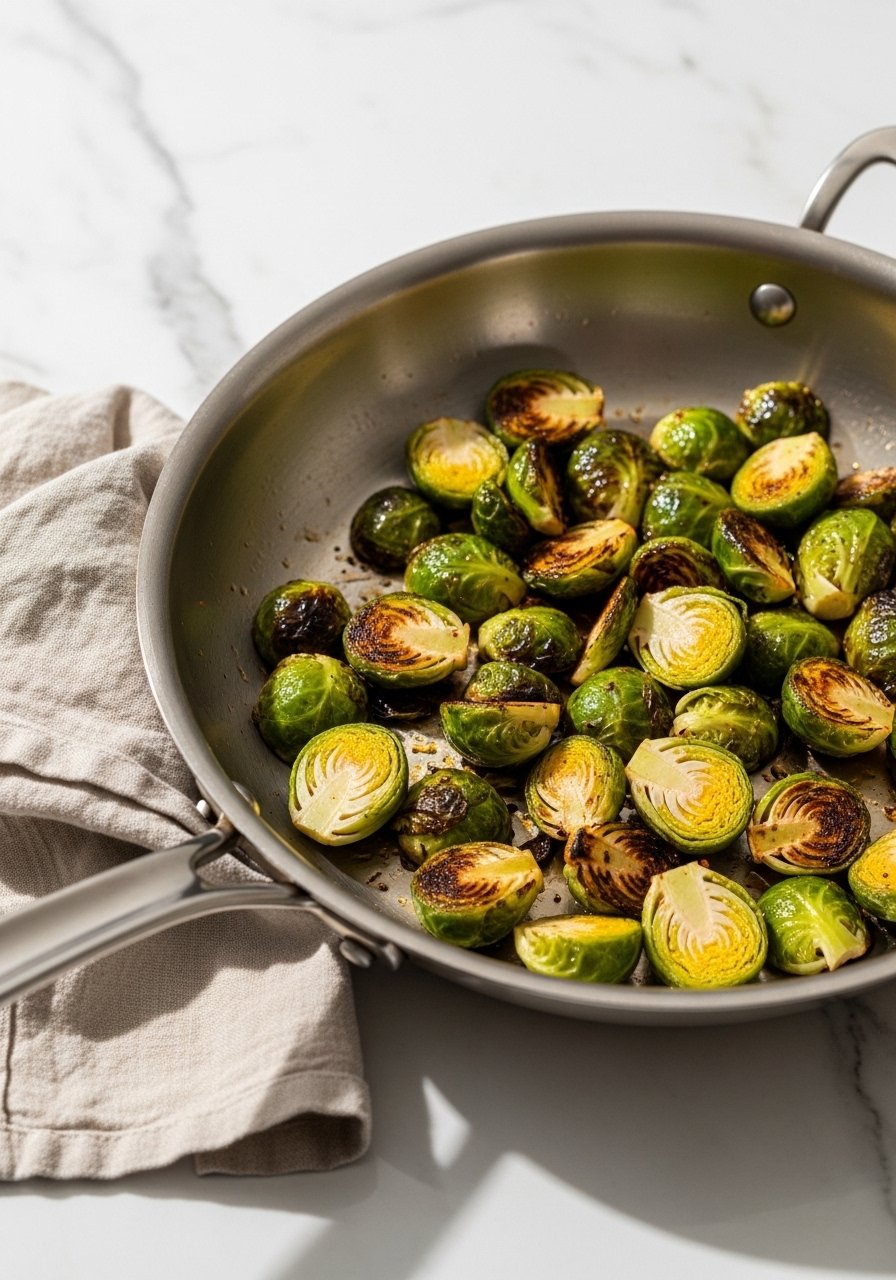
For blistered Brussels on the stove:
- Heat a stainless sauté pan over medium-high until shimmering.
- Add halved sprouts cut-side down, 2 tbsp olive oil, and press for 4–6 minutes until deeply browned.
- Finish with a squeeze of lemon and shaved Parmesan.
Products that help: a heavy stainless saute pan holds heat for great browning.
How to Roast Veggies Without Sogginess (Blanch, Shock, and Tent)
If your greens go mushy, one of these fixes will help:
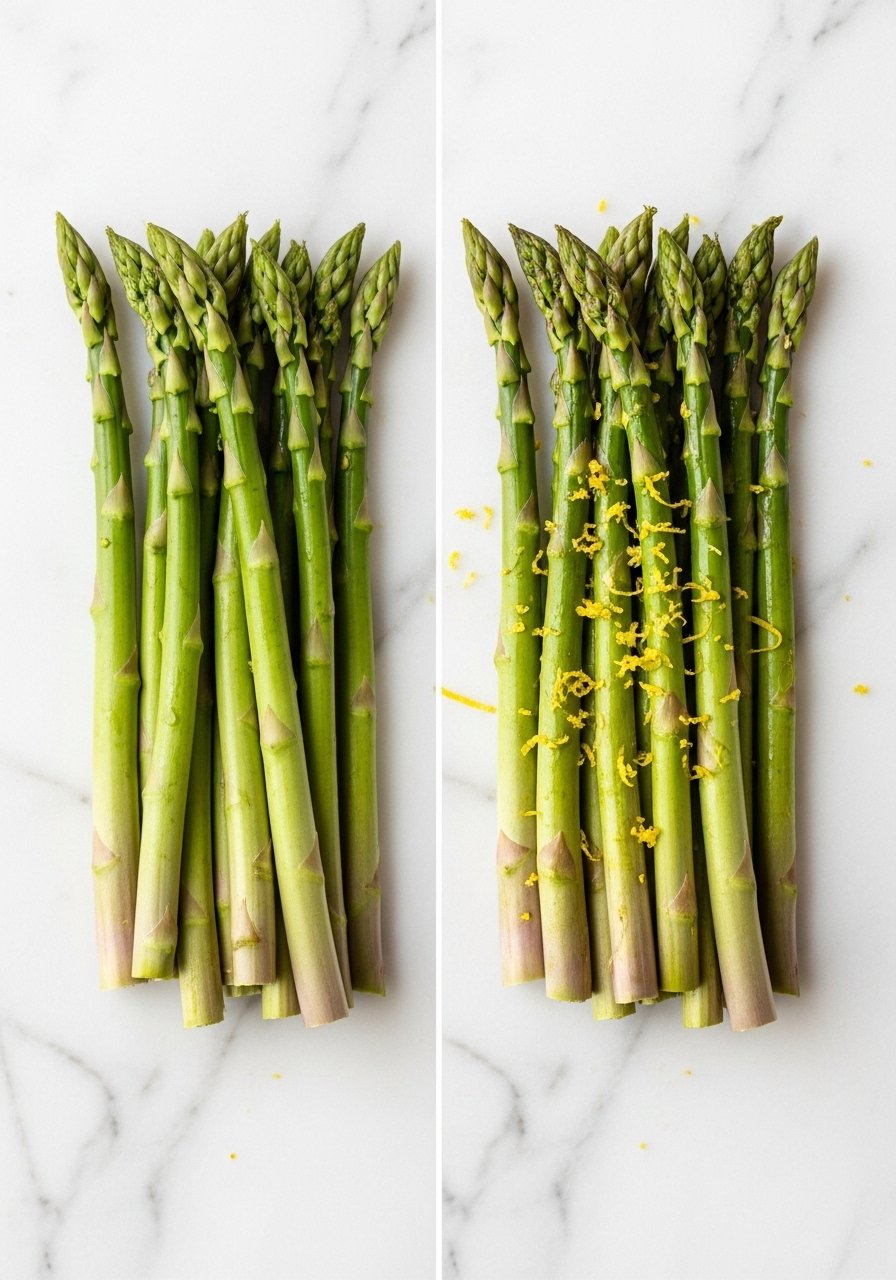
- For asparagus or green beans, blanch 2–3 minutes in boiling water, then plunge into an ice bath to lock vibrant color — this is the classic steamed broccoli recipe principle applied to other veggies.
- For Brussels sprouts, after pan-blistering tent the pan with foil for 3–5 minutes to steam the core without losing crispness.
- For carrots or roots you want glossy: simmer 7–8 minutes in a splash of vegetable stock, then swirl in 1 tbsp honey and 1 tbsp butter. Use a parchment cartouche to trap steam for a satiny glaze.
Helpful tools: a steam basket for blanching and a roll of parchment paper for cartouche glazes.
The Flavor Boosts That Fix Bland Veggies
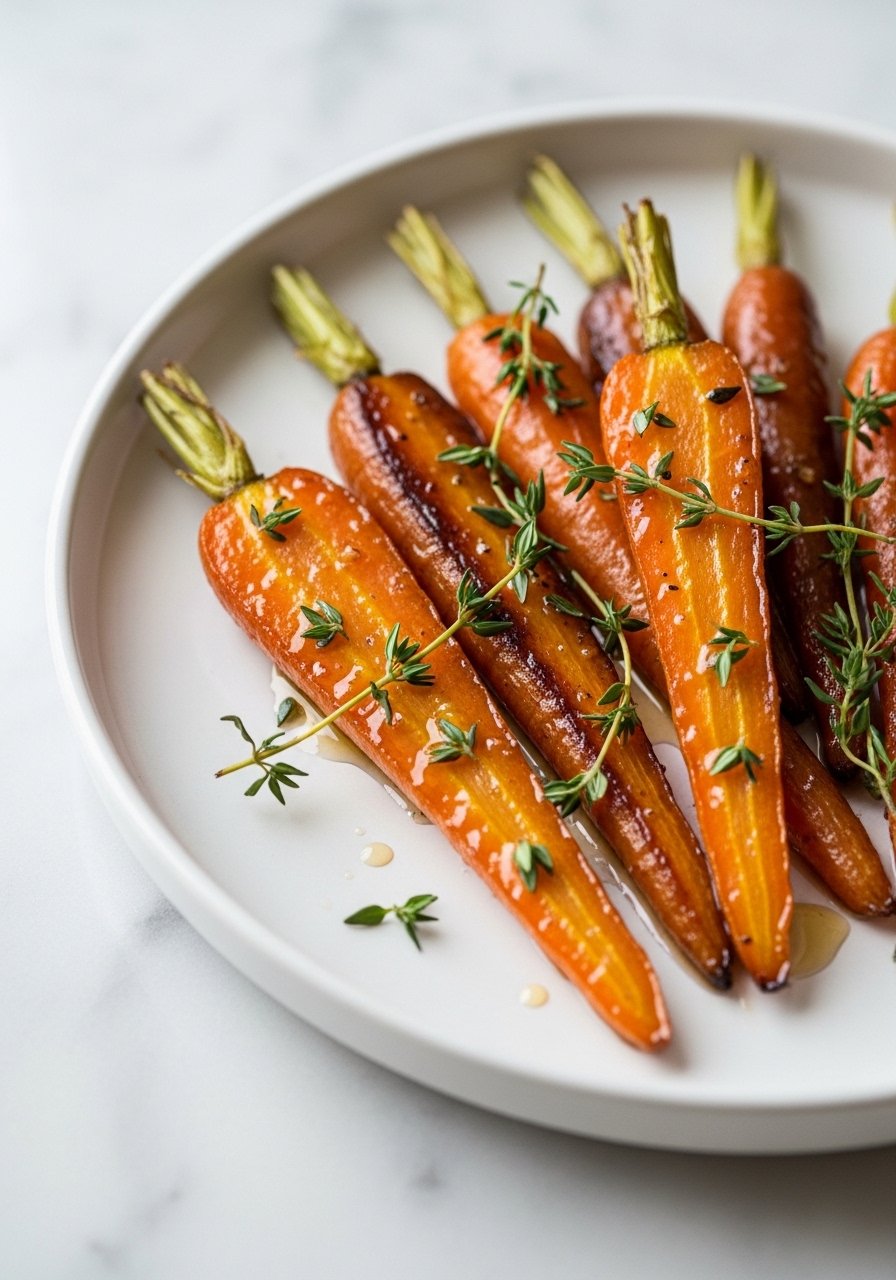
Seasoning at every stage is non-negotiable. Do this:
- Salt and oil before cooking for even flavor and better browning.
- Finish with acid + fat: lemon juice or balsamic plus butter. For mushrooms, deglaze the pan with 1–2 tbsp balsamic vinegar and a knob of butter for umami depth.
- Try toppings: toasted pine nuts or shaved Parmesan add texture. I keep a jar of raw honey, a bottle of balsamic vinegar, and flaky sea salt on hand.
Quick ideas:
- Broil asparagus with grated garlic and a pat of butter for 3–4 minutes under the broiler.
- Saute kale with sliced garlic for 4–6 minutes until silky.
Make-Ahead, Storage, and Reheating Tips (So Lunch Isn’t Sad)
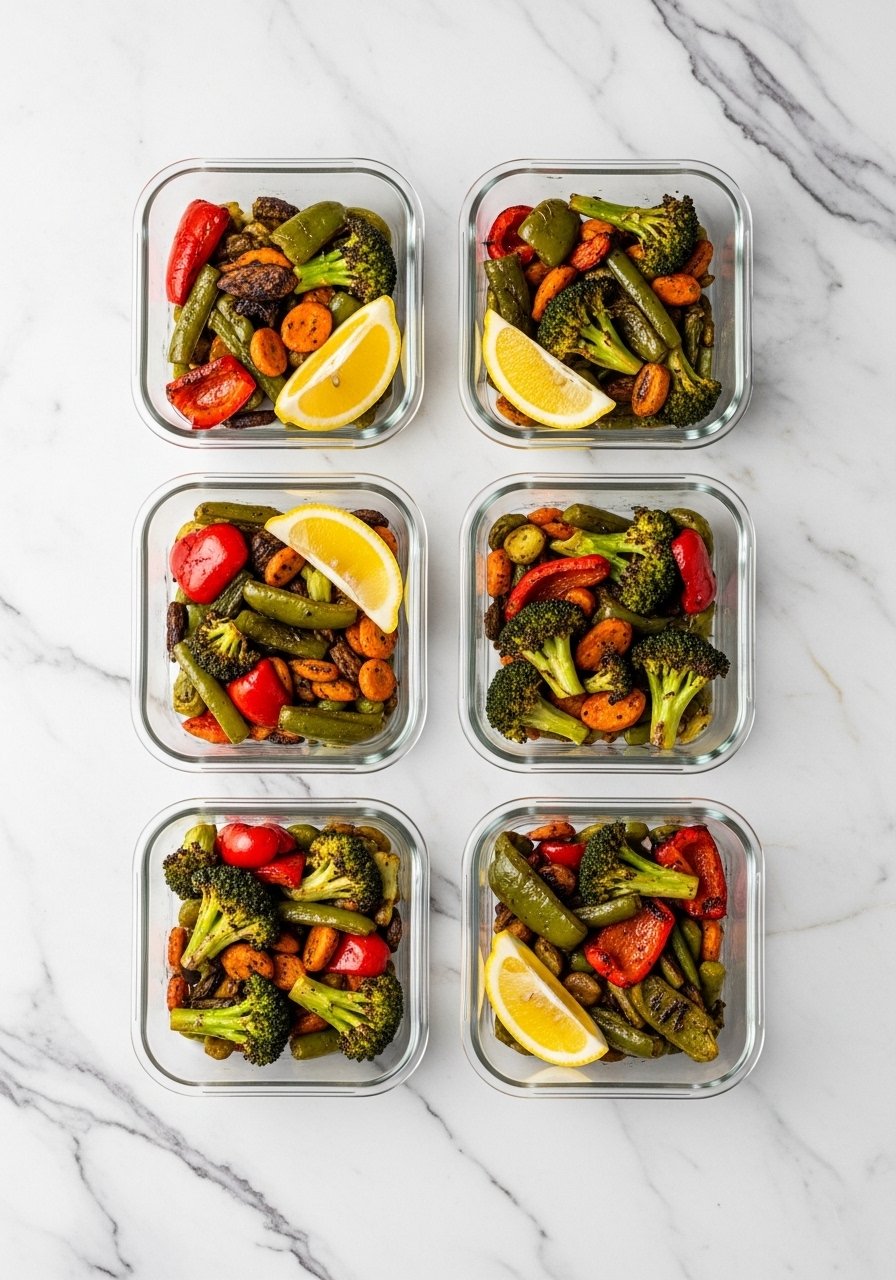
Save time and texture:
- Roast ahead and cool on a wire cooling rack to avoid soggy bottoms.
- Store in airtight containers up to 4 days; reheat in a hot pan for 3–5 minutes to crisp rather than microwaving.
- For make-ahead glaze: keep honey-butter in a small jar and warm briefly to refresh shine before serving.
Also useful: a microplane zester for lemon zest and a pack of pine nuts for garnish.
You’ve now got the tools and steps to make roasted vegetables and quick sauteed greens taste restaurant-quality at home. Pin this guide for busy weeknights and share it with friends who always overcook their veggies. Which technique will you try first — blistering, blanching, or a honey-thyme glaze? Once you start using a reliable sheet pan, you’ll find roasting becomes your go-to side.