
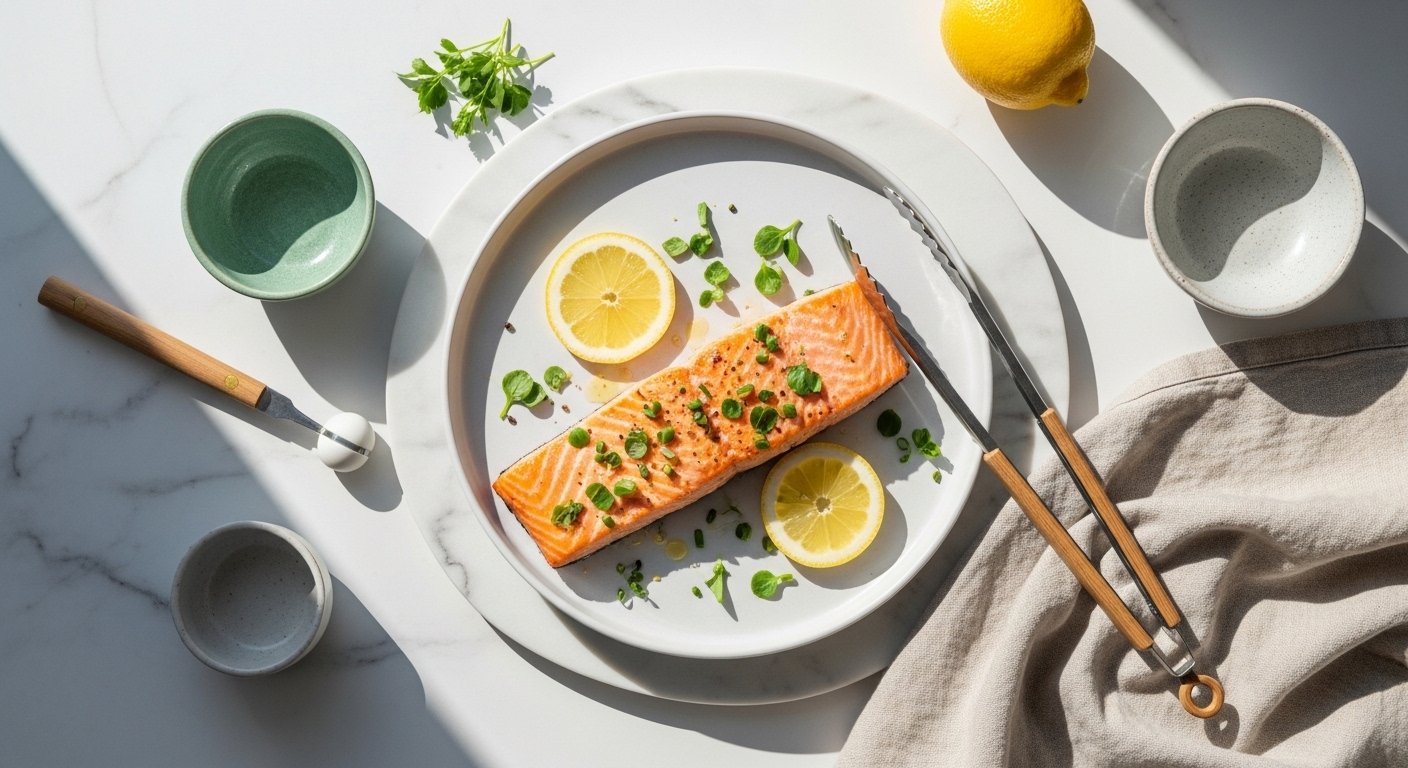
You love salmon, but every time you try to pan-sear or bake it, it comes out dry or gummy. Learn how to cook salmon that’s moist and flaky using heat control, a quick thermometer check, and simple finishes you can do at home. This guide walks you through the exact steps so your fillet is tender inside and golden outside—every time.
The secret tools are small but impactful: an instant-read thermometer to hit the right doneness and a 10-inch cast iron skillet for a reliable sear. Read on for bake and sear techniques, troubleshooting, and quick storage tips.
Preparing your salmon and station
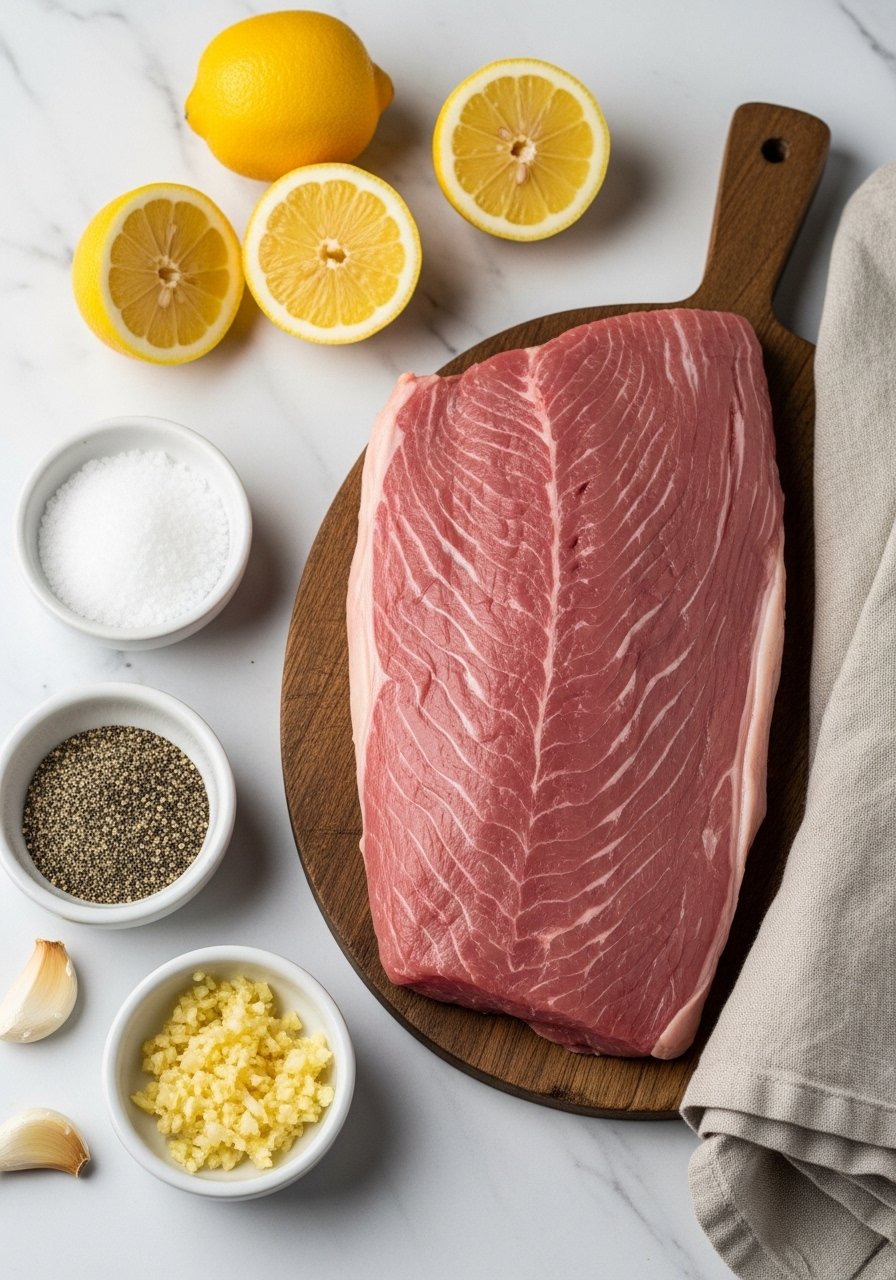
- Pat salmon dry with paper towels so the surface sears evenly.
- Season generously with salt and pepper at least 10 minutes before cooking.
- If portions vary, weigh to match cooking times: thinner pieces cook faster.
Helpful tip: keep an oven thermometer handy if baking—you’ll avoid overcooking. Use a silicone pastry brush to spread oil or butter evenly over the top.
How to cook salmon in the oven so it stays moist
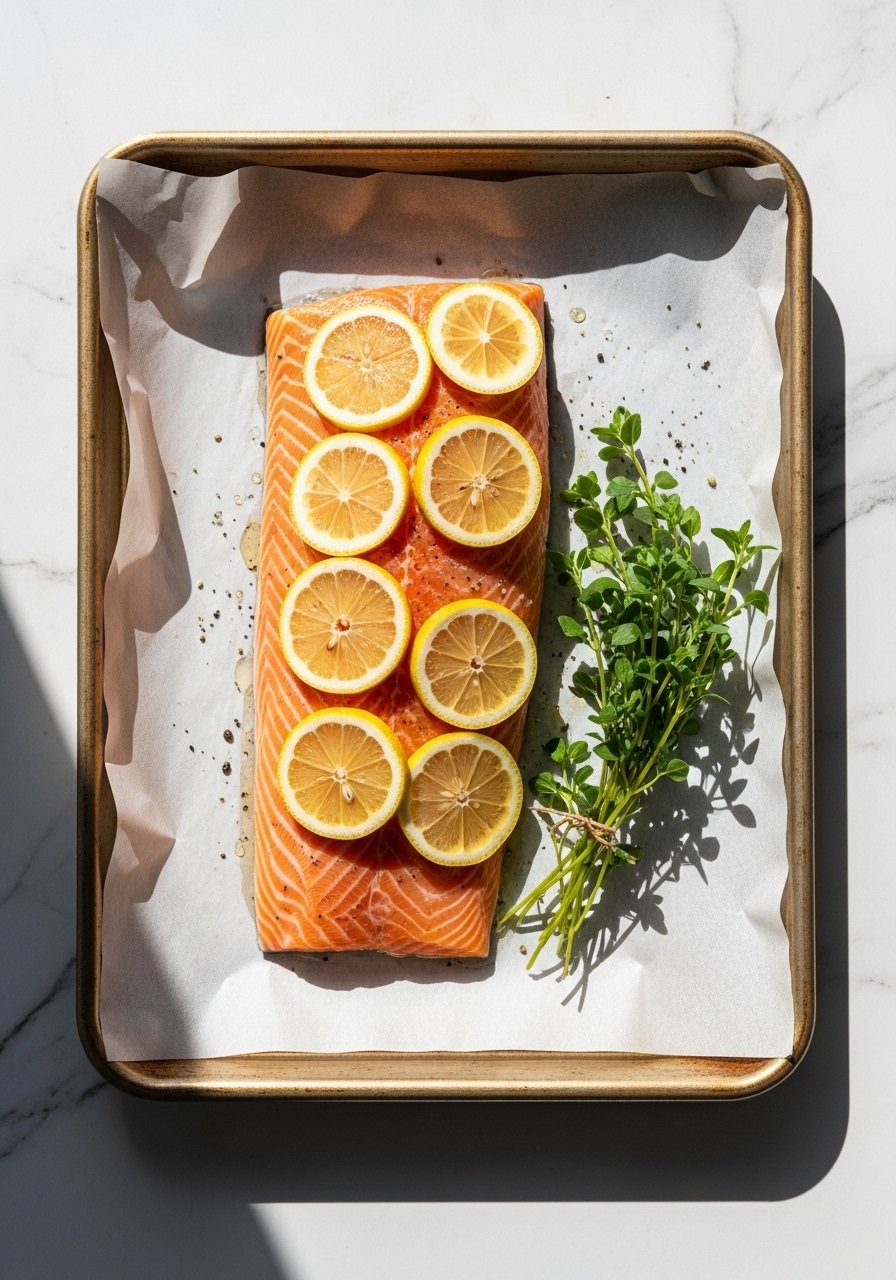
Baking at low-to-moderate heat prevents drying. Preheat oven to 375°F for a balanced result.
- Line a rimmed pan with parchment paper and place the fillet skin-side down.
- Drizzle with olive oil and add a few pats of butter, sliced lemon, and herbs.
- Roast for 10–15 minutes depending on thickness—about 10 minutes per inch of thickness.
- Check doneness with your instant-read thermometer. Aim for 125°F–130°F for slightly pink, flaky salmon or 130°F–135°F for fully flaky.
Quick tips:
- If you want a crisper top, broil for the last 30–60 seconds while watching closely.
- Use a rimmed baking sheet to catch juices.
Pan-sear and garlic-baste for restaurant-quality crust
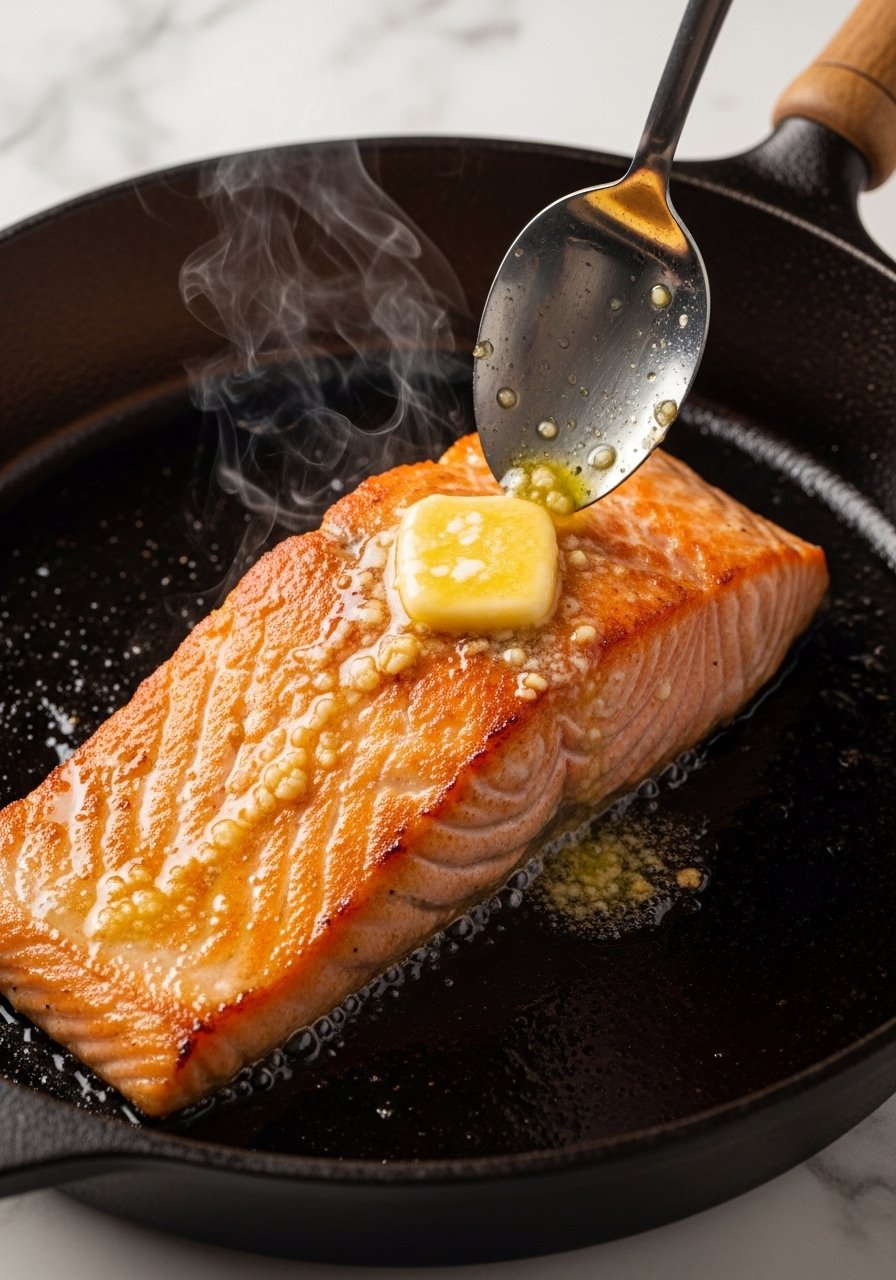
Searing adds flavor and color without overcooking the center.
- Heat your 10-inch cast iron skillet over medium-high until shimmering.
- Oil the fish lightly and place skin-side up first for a short golden sear, then flip for 2–3 minutes to finish. Use a pair of stainless steel tongs to flip carefully.
- Reduce heat, add butter and minced garlic, and spoon the foaming butter over the top for 30–60 seconds to baste. A silicone spatula helps control small movements without scratching.
Pro tricks:
- Pat the skin very dry for a crisp finish.
- If your fillet is thick, finish in a 350°F oven for 3–5 minutes.
Finishing touches, serving, and storing leftovers
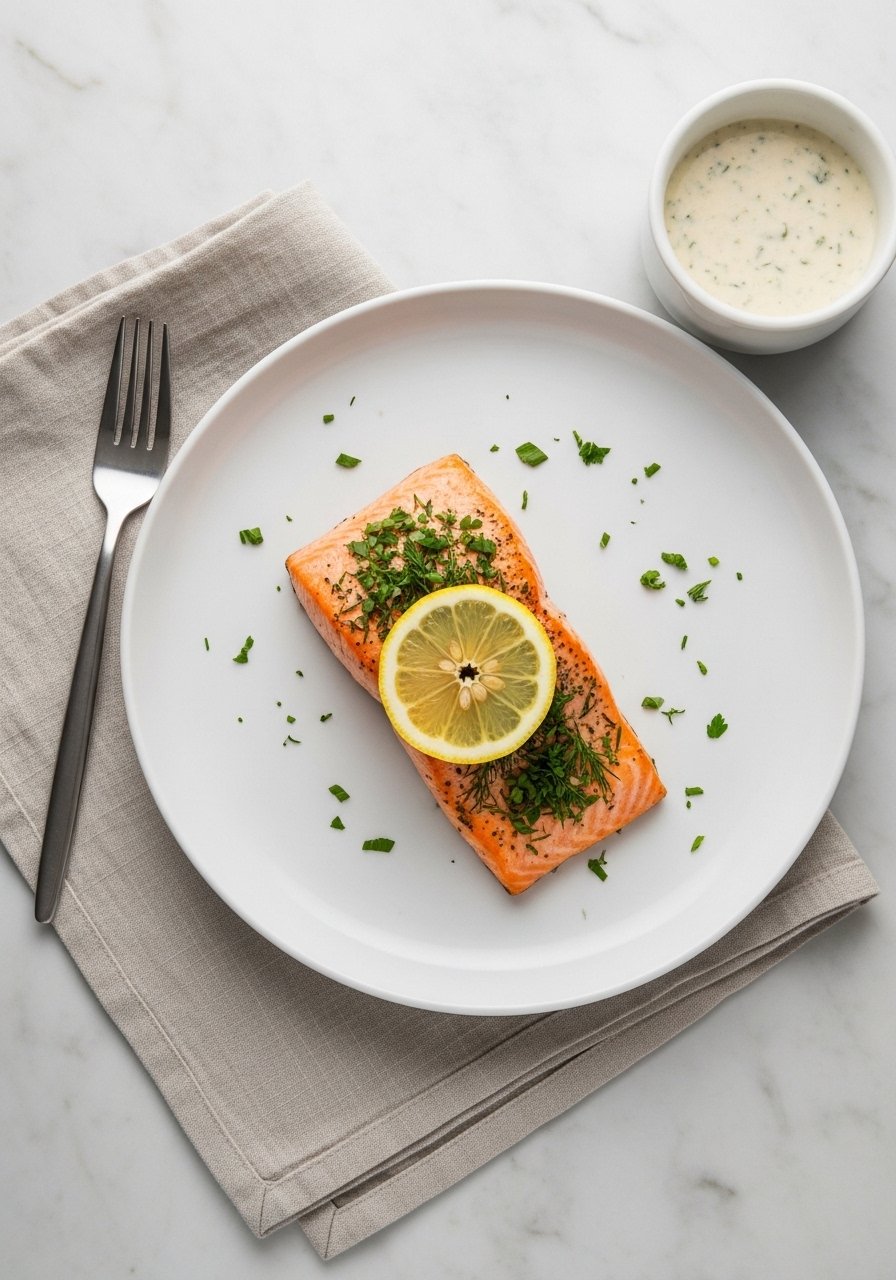
- Rest cooked salmon for 3 minutes; carryover heat raises internal temp slightly.
- Squeeze fresh lemon and add chopped herbs for brightness.
- Store leftovers in airtight glass storage containers and refrigerate up to 3 days.
- Prep-friendly: portion and chill in glass meal prep bowls for lunches.
Troubleshooting quick guide:
- Dry center? Next time aim for a lower finish temp and remove at 125°F–130°F.
- Sticking to pan? Make sure pan is hot and fish is dry before it hits the surface.
- Uneven cooking? Try folding thinner tail sections under or cook whole fillet skin-on and slice after resting.
You now know how to cook salmon that’s moist and flaky whether you bake or sear. Save this guide, pin the photos, and grab an instant-read thermometer if you don’t already have one—you’ll nail doneness every time. Which method will you try first: low-heat roast or garlic-butter sear? Pin this and give it a go!

Related posts:
 12 Must-Try Air Fryer Recipes That Make Dinner Effortless
 9 Juicy Chicken Recipes That Never Turn Out Dry
 11 Easy Dinner Recipes That Save Busy Weeknights
 13 Genius Sheet-Pan Dinners That Practically Cook Themselves
 11 Smart Meal Ideas That End “What’s for Dinner?”
 9 Savory Ground Beef Recipes Everyone Loves
 12 Fresh Seafood Recipes That Taste Restaurant-Level
 9 Kid-Approved Meals Parents Swear By